Why the Team Ring is the most moving teambuilding tool since the invention of group games
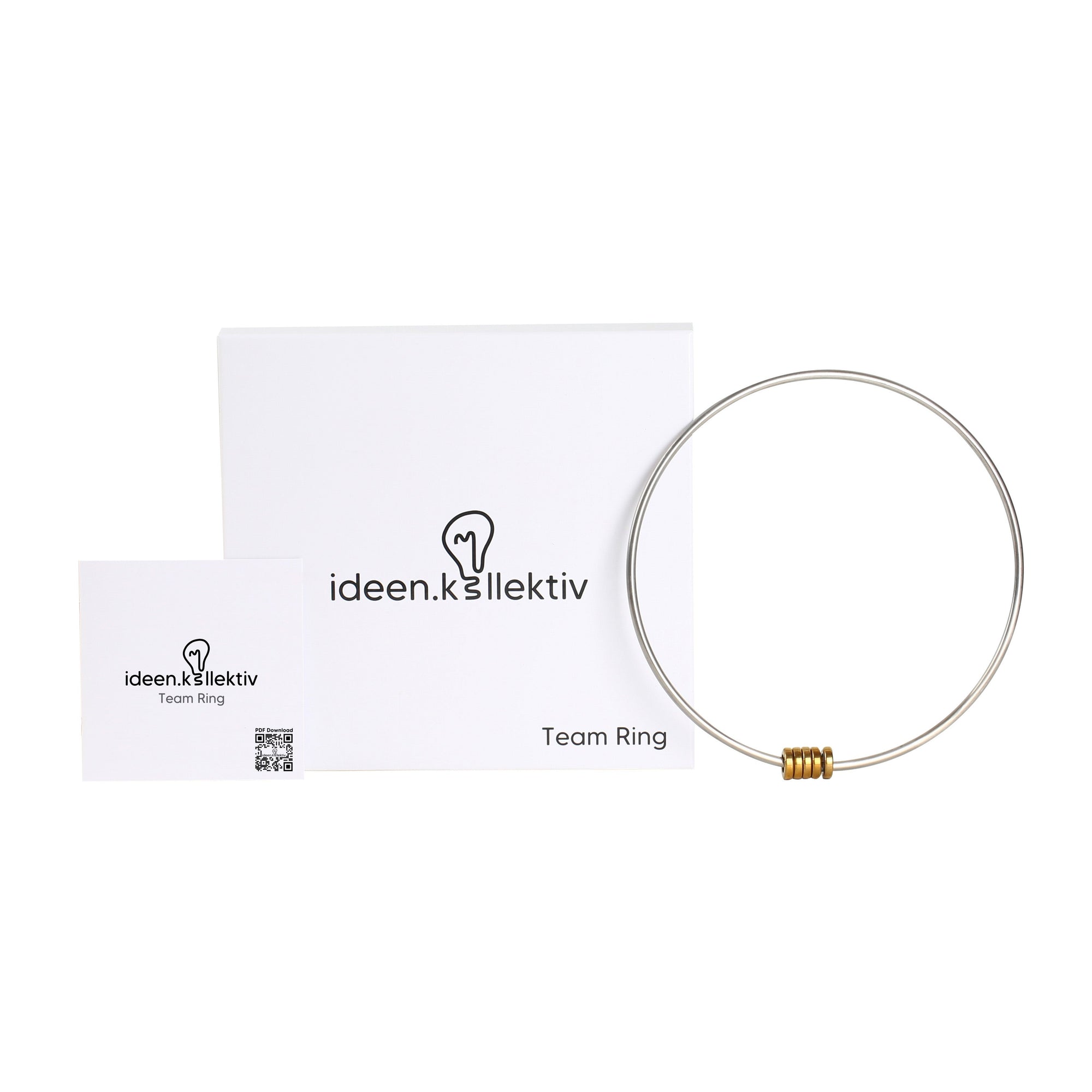
Don’t worry – this ring comes without marriage vows, registry offices, or mothers-in-law. The Team Ring from ideen.kollektiv is not a symbol of eternal love, but of something at least as valuable: good collaboration.
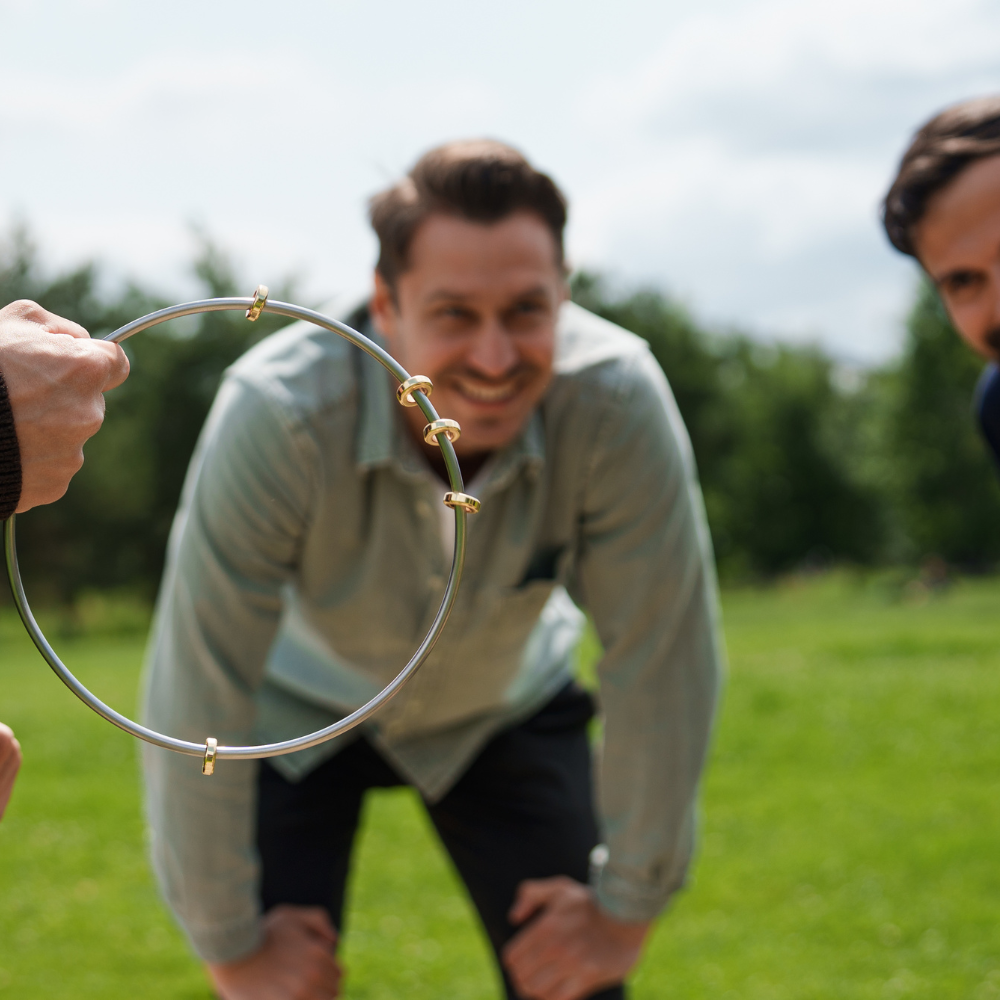
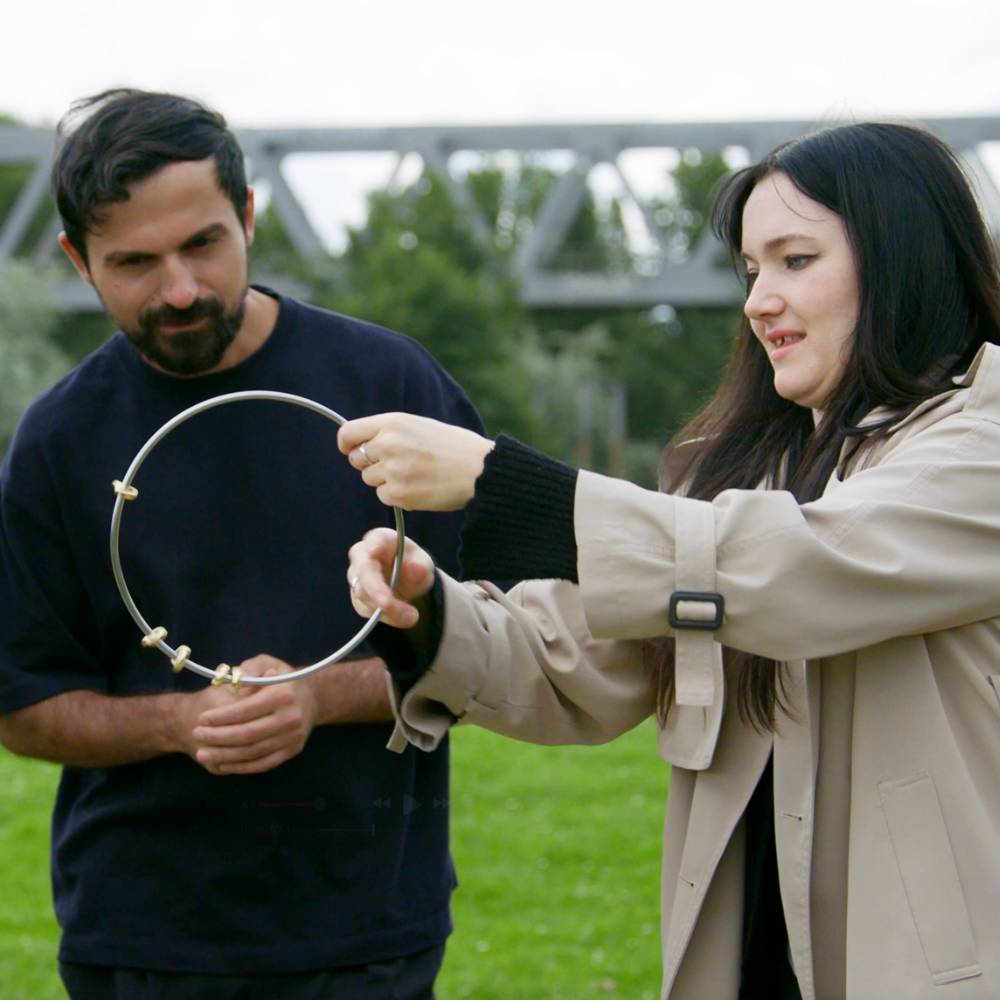
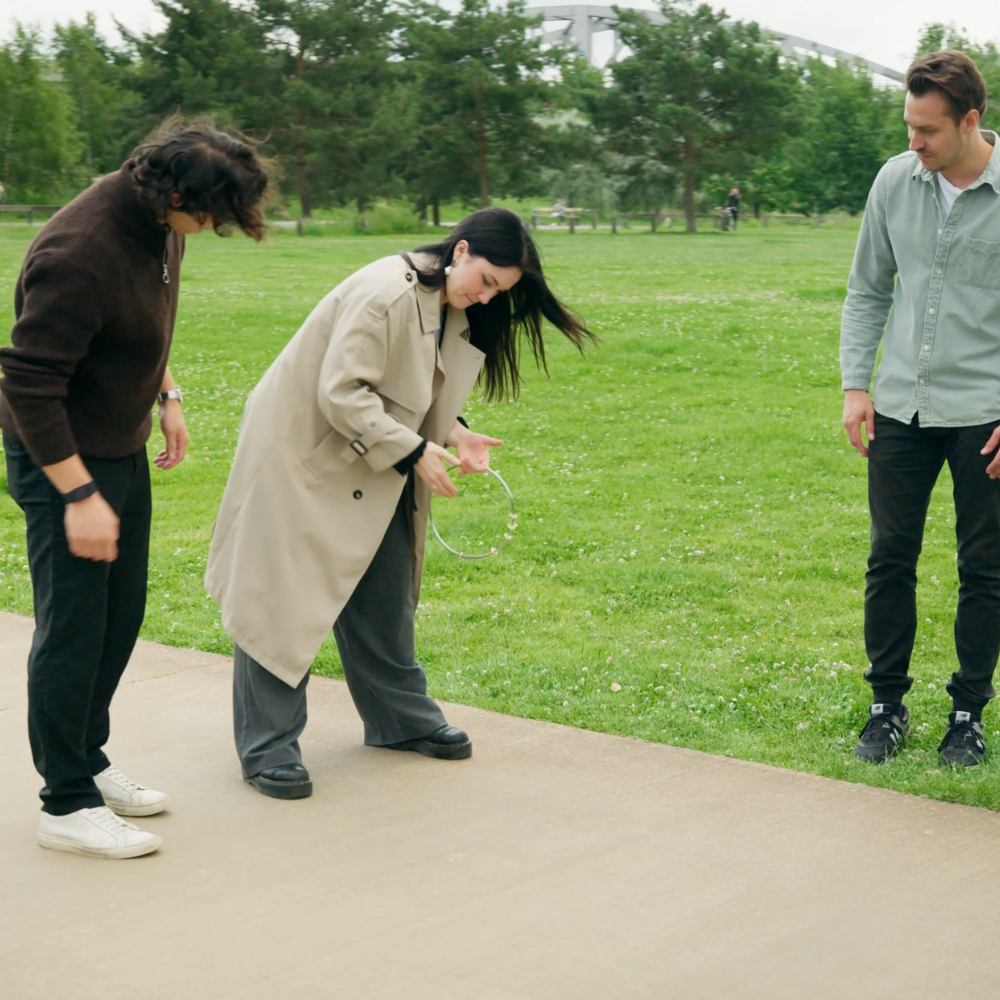
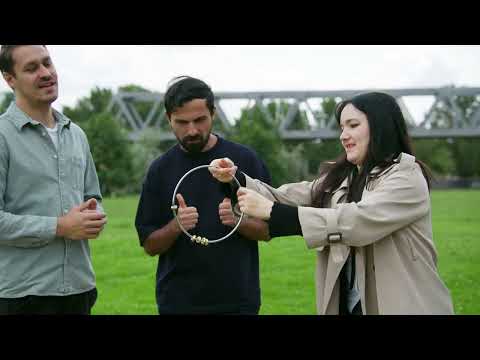
A big ring, five smaller ones, a bunch of people suddenly wildly waving their hands and looking surprisingly serious – sounds funny, right? It is. And that’s exactly the appeal: this unassuming game brings movement, laughter, and real teamwork back into a world where “teamwork” often only happens in front of a screen.
What exactly is the Team Ring?
In short: a physical teambuilding tool that challenges motor skills, concentration, and cooperation – with surprisingly simple mechanics.
How it works
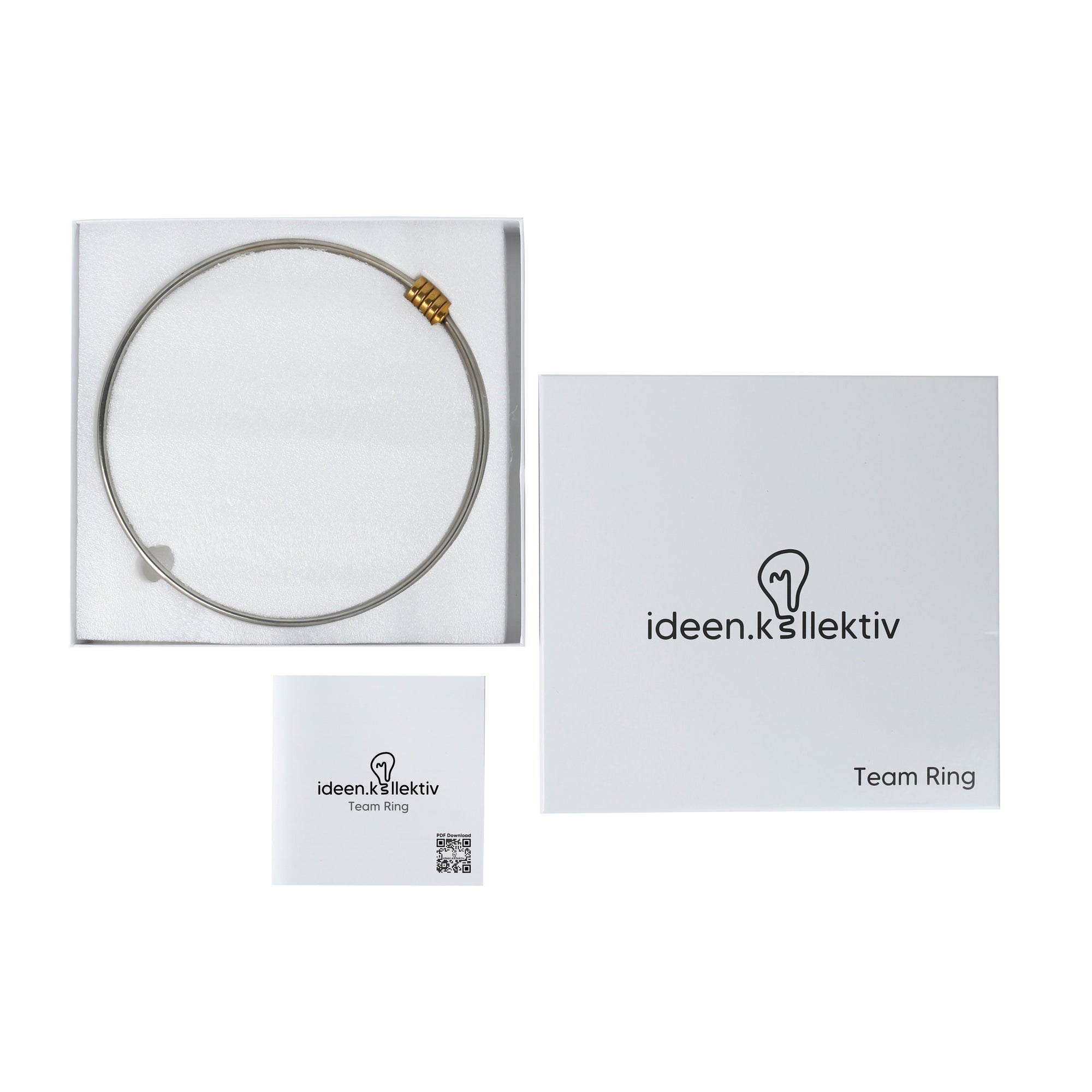
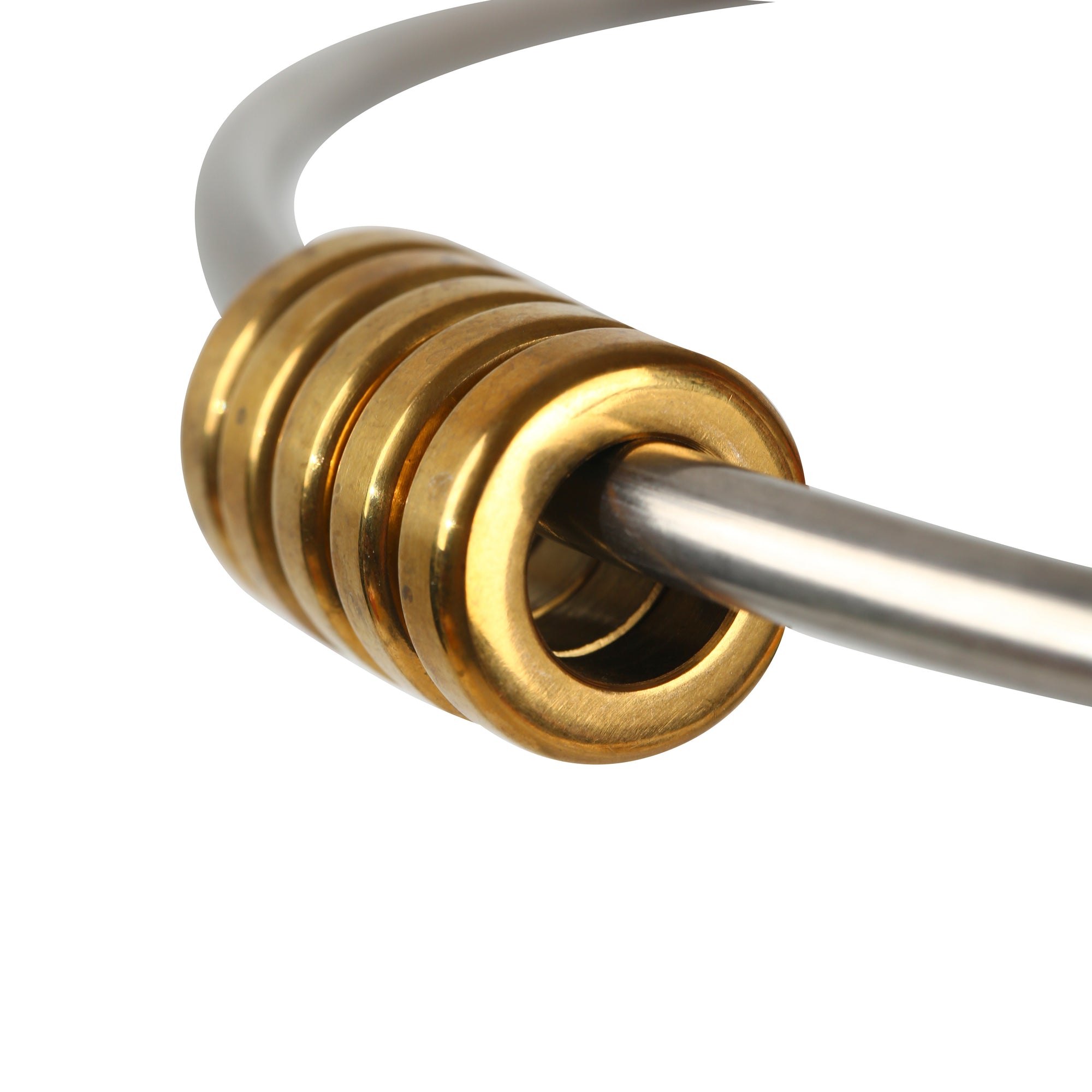
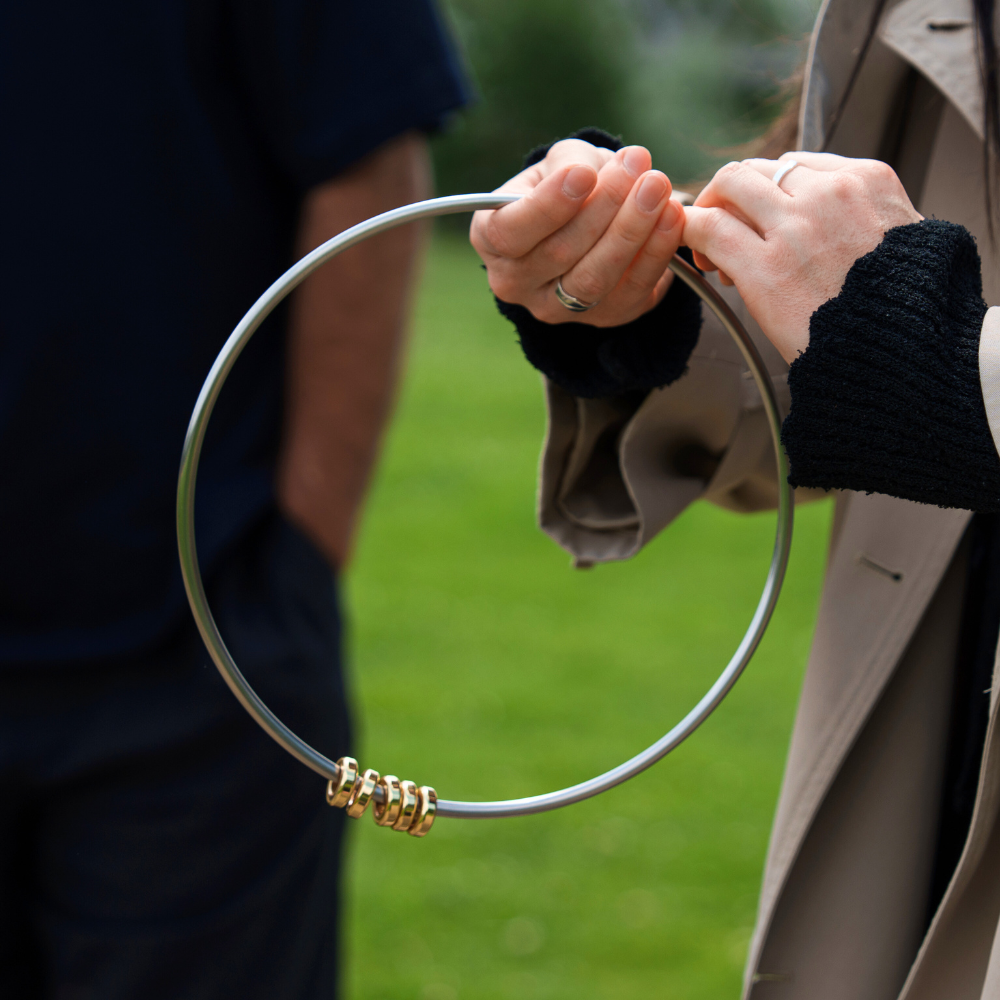
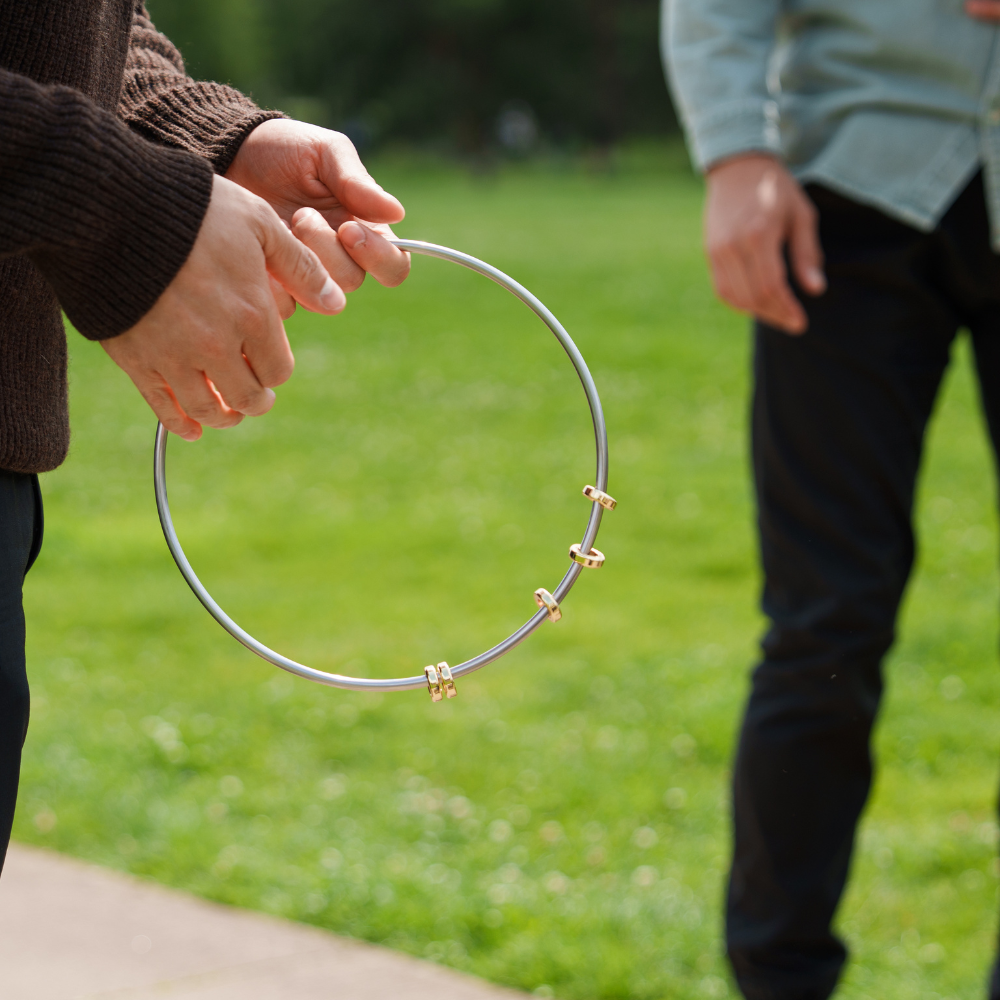
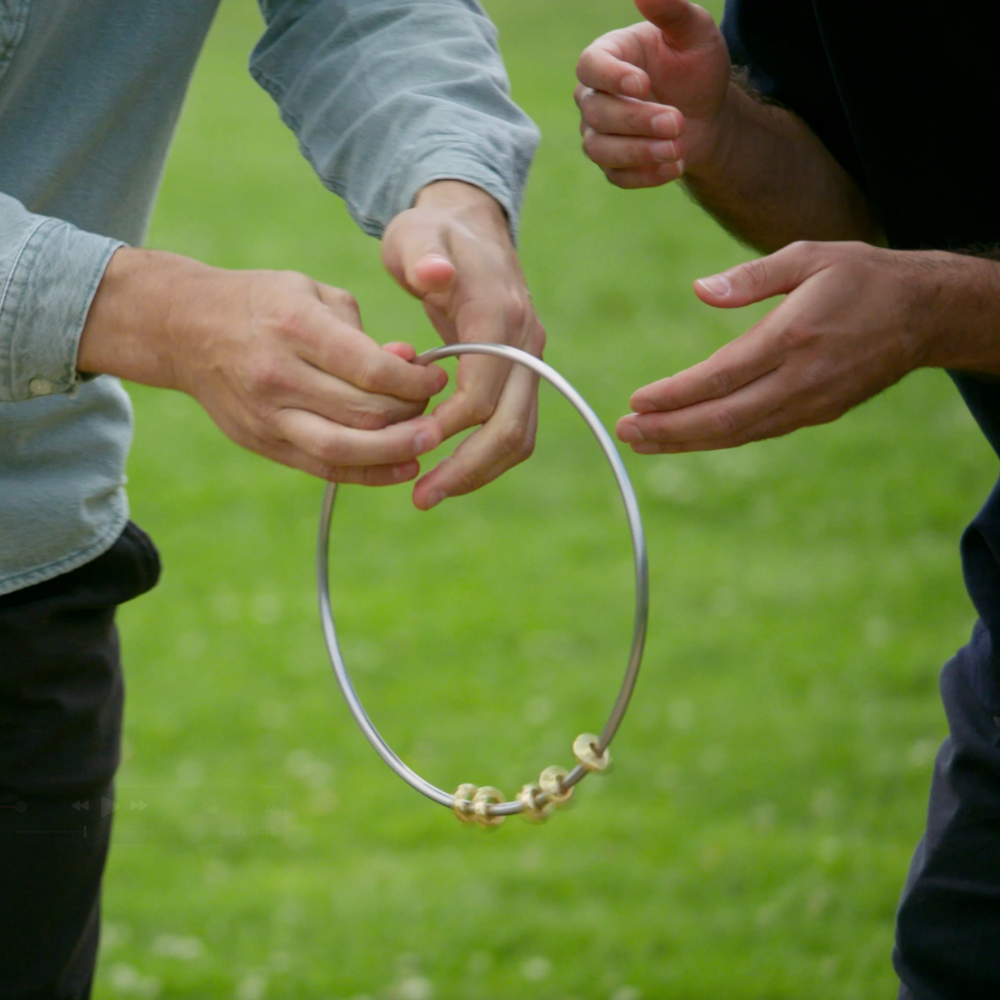
- A large metal ring holds five golden metal rings.
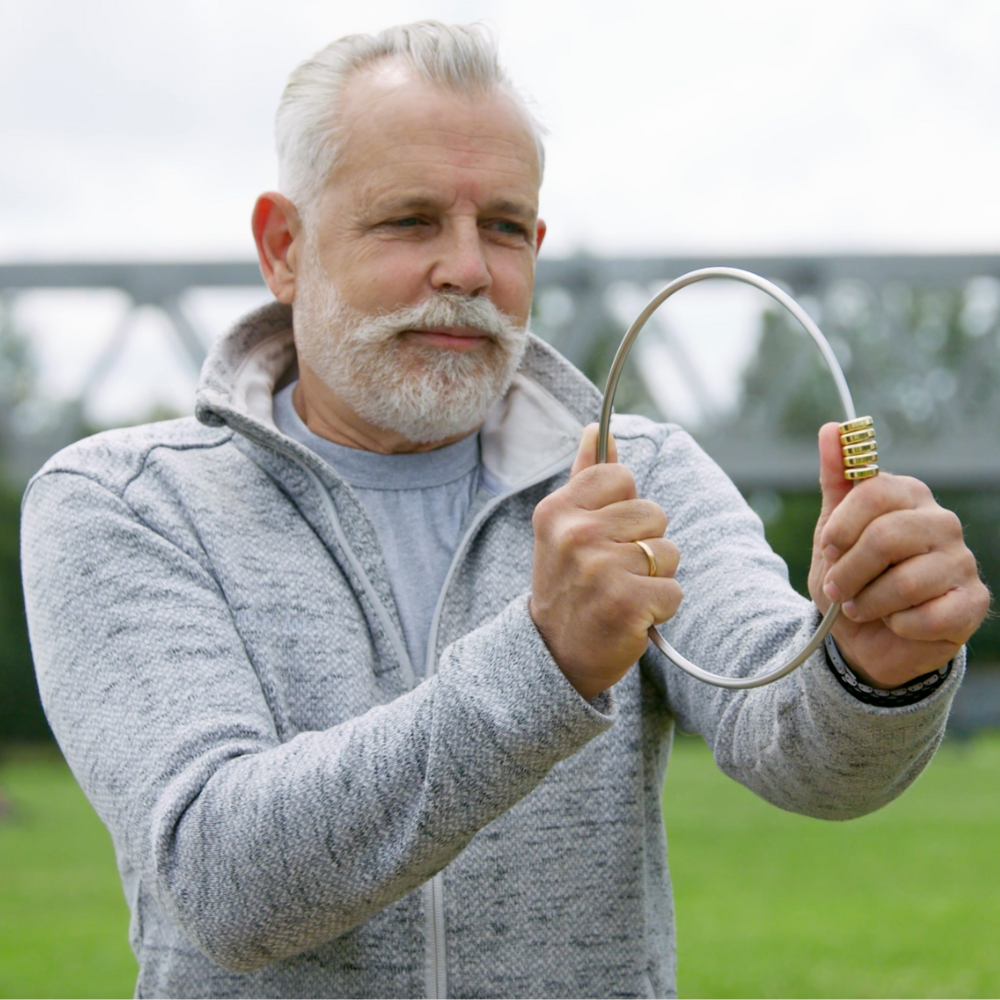
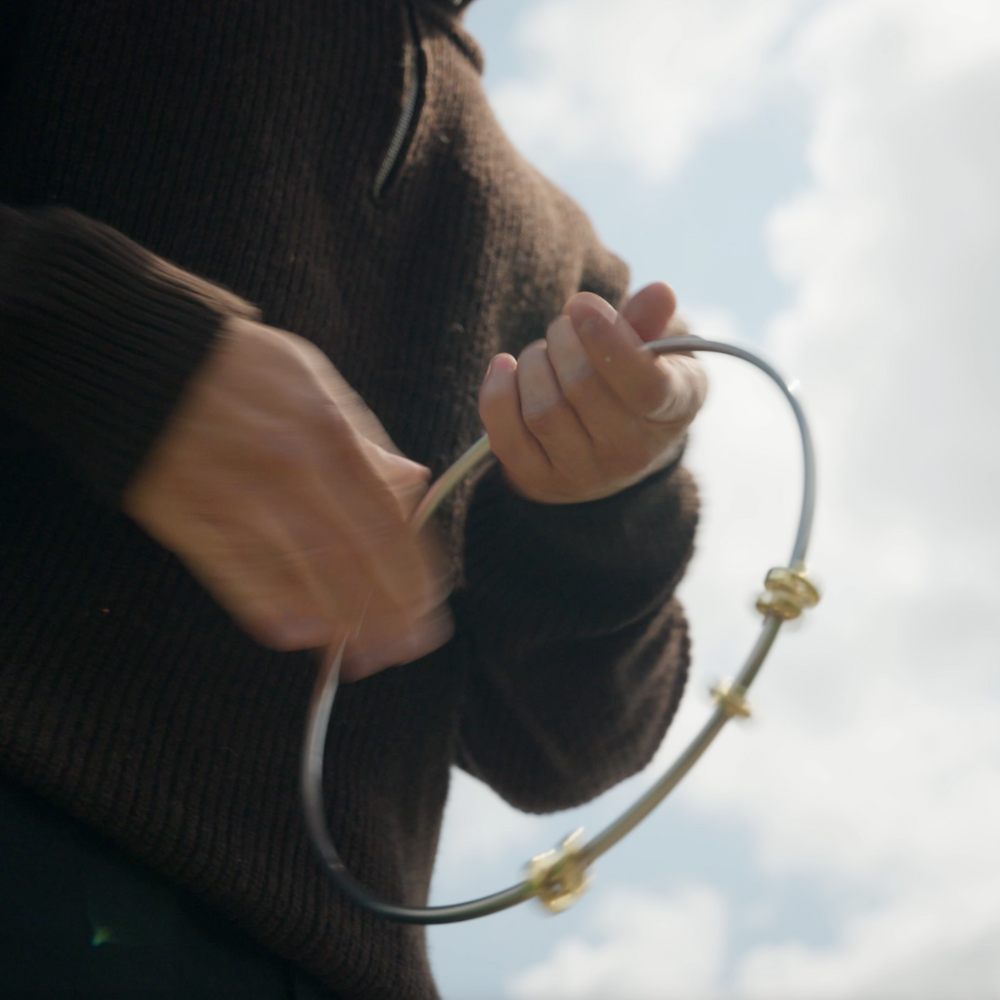
- With a skillful impulse – usually a finger snap or a small twist – the small rings are set into motion.
- Goal: Keep all the rings moving without them stopping each other.
- Even more exciting: the ring is passed on while the movement must be maintained.
It’s coordination, focus, and body tension all in one. If you think it’s easy, try it – by the third attempt, you’ll start to rethink “team flow” completely.
Body instead of mind – finally movement together again
Let’s be honest: most teambuilding games today are all about the mind. Online quizzes, strategy workshops, PowerPoint brainstorms… but when was the last time you did something as a team that really required your body?
- The Team Ring demands body awareness instead of keyboard speed.
- It trains fine motor skills, reaction ability, and balance.
- It activates what has fallen asleep in many jobs: movement, spontaneity, rhythm.
And the best part: everyone can join in. It’s not about athletic performance, but about how finely you can feel and pass on the vibration – a bit like juggling energy.
An ancient principle – modernly packaged
As futuristic as the Team Ring looks, the game principle is ancient. Ring games have existed since humans could throw, spin, or balance things.
- North America: Indigenous children played “Ring & Pin” – a balance and reaction game where a ring had to be caught on a stick.
- Arab world: In the traditional game Mheibes, a ring is hidden – teams must guess who has it through observation and intuition.
- Europe: Ring toss games at fairs were once training for accuracy – and, of course, for the ego.
Everywhere it was true: whoever masters the ring masters concentration, patience, and timing. The Team Ring picks up exactly these skills again – this time not for warriors or fair heroes, but for modern teams with laptops, lattes, and meeting calendars.
What the Team Ring really trains
You quickly realize it’s more than just a party gag. The Team Ring works like a mini-lab for group dynamics.
- Focus: Only those who really watch and feel keep the vibration going.
- Fine motor skills: Small movements – big impact.
- Synchrony: When everyone is in flow at the same time, magic happens (or at least less chaos).
- Nonverbal communication: Here, no talking – here, feeling.
- Responsibility: Whoever passes on decides success or standstill – and you feel that physically.
And yes, it’s more fun than any online escape game, guaranteed.
Why you should try it
Because it’s time to switch off your mind for a moment. In a work world full of emails, Zoom calls, and Excel sheets, what’s often missing is exactly this: moving together.
- The Team Ring combines concentration and coordination.
- It makes teams laugh – and think at the same time.
- It works indoors, outdoors, with ten people or with two.
And by the way, it shows who in the team can really let go – and who holds on too tightly.
Fun Facts
- 🇯🇵 Japan: There is a ring exercise game called Tamaire, where children throw small balls (or rings) into a basket – goal: synchrony and speed.
- 🏺 Archaeology: Researchers have discovered rings as play objects that are over 3000 years old – proof that movement games are among the oldest forms of community.
- 🔁 Symbolism: In some ancient cultures, the ring stood for “eternal movement” – a symbol of rhythm, cycle, and connection. Quite fitting for this game.
Conclusion
The Team Ring is not a gadget, not a children’s game, and certainly not a wedding accessory. It is a modern classic of team training: simple, analog, physical, surprisingly profound.
It reminds us that teamwork is not just about thinking – but about movement, rhythm, and trust. It creates real moments where people laugh, fail, learn – and suddenly function as a group.
If you want to give your team something that’s fun, bonding, and truly memorable – then say “Yes, I play!” instead of “Yes, I do.”
👉 More info: ideen-kollektiv.de/products/teamring