What is a genogram – and what does it really do?
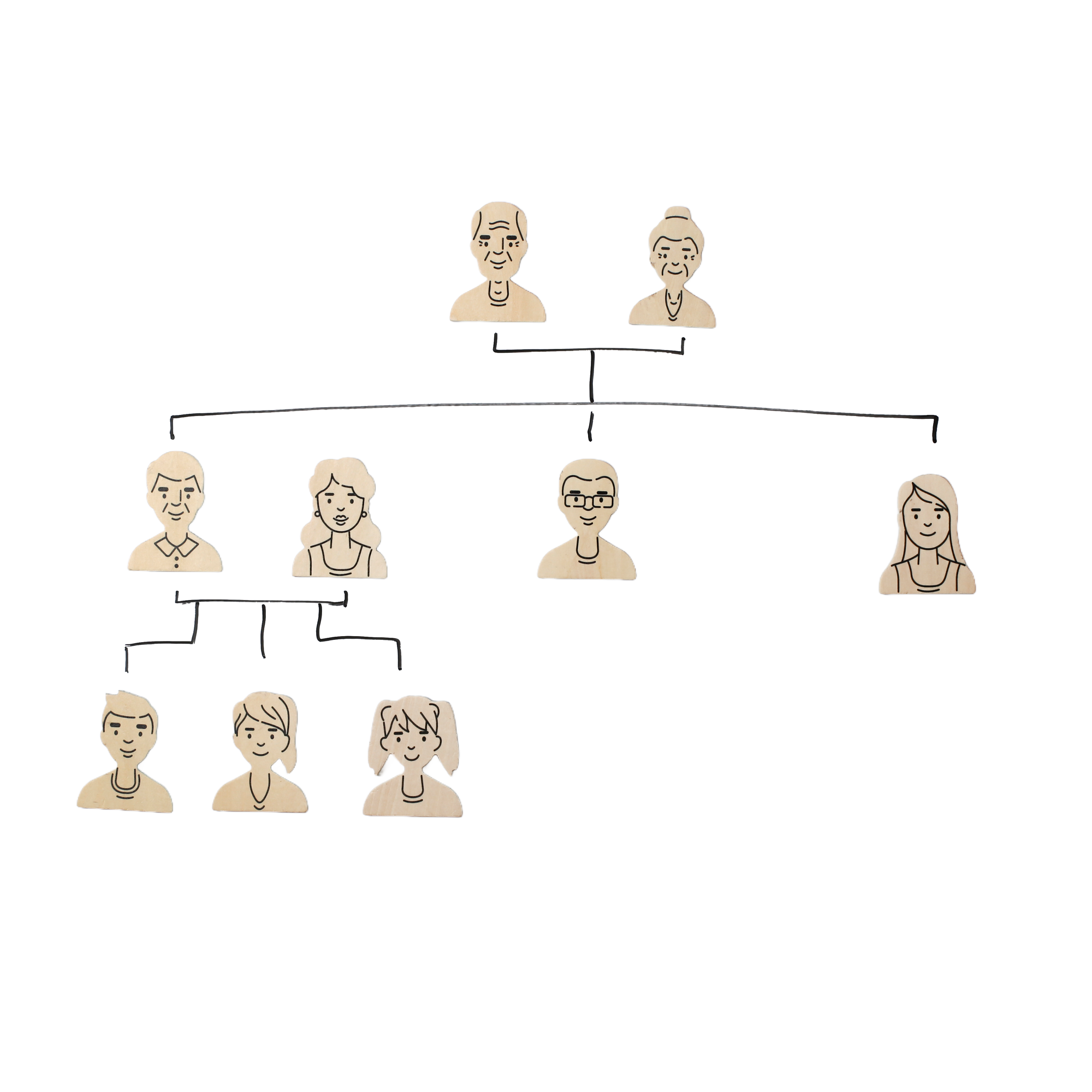
A genogram is more than a family tree. It shows how people are connected – through closeness, distance, loyalty, or conflict. The decisive advantage lies in visualization: relationships that remain abstract in conversation become visible and tangible.
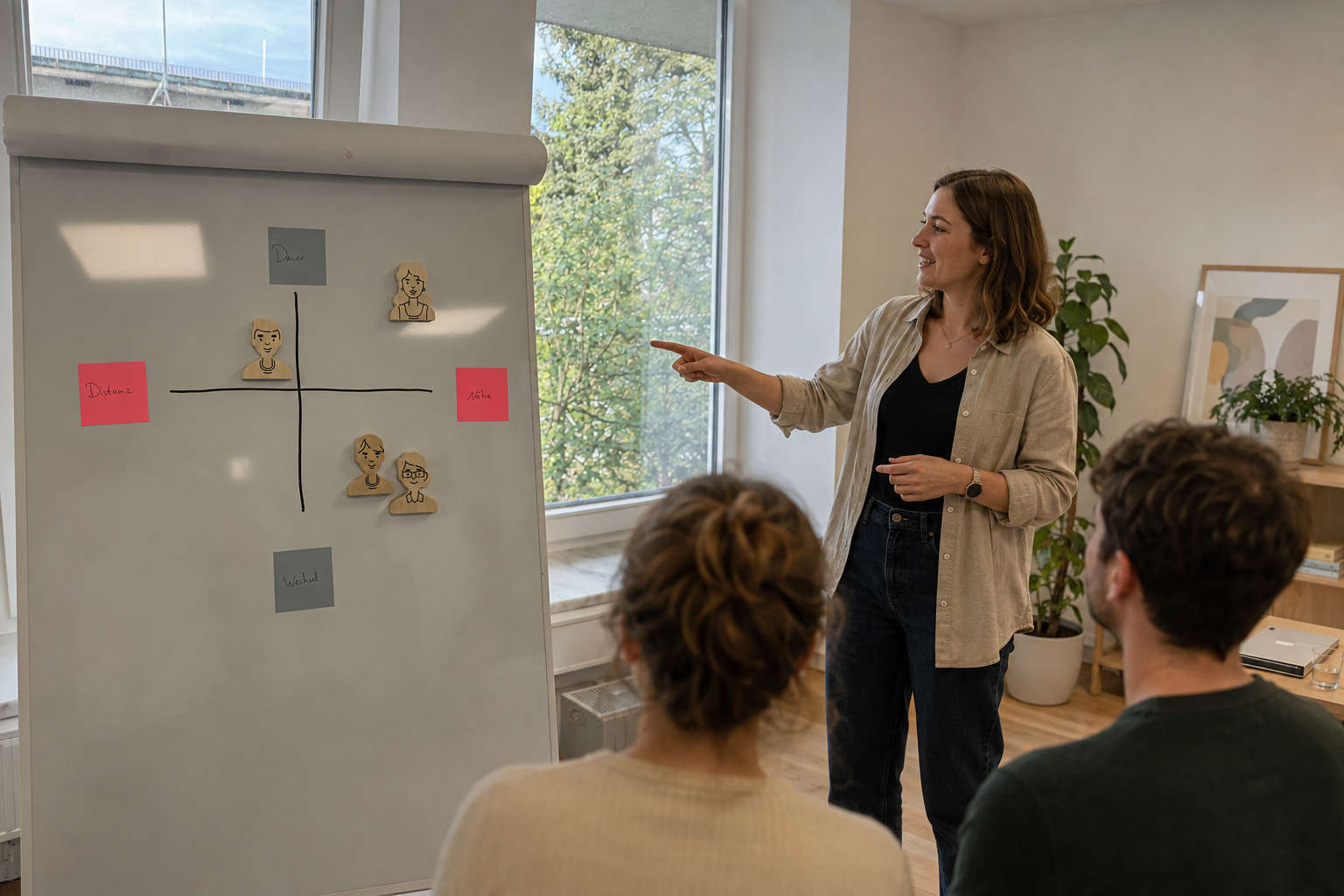
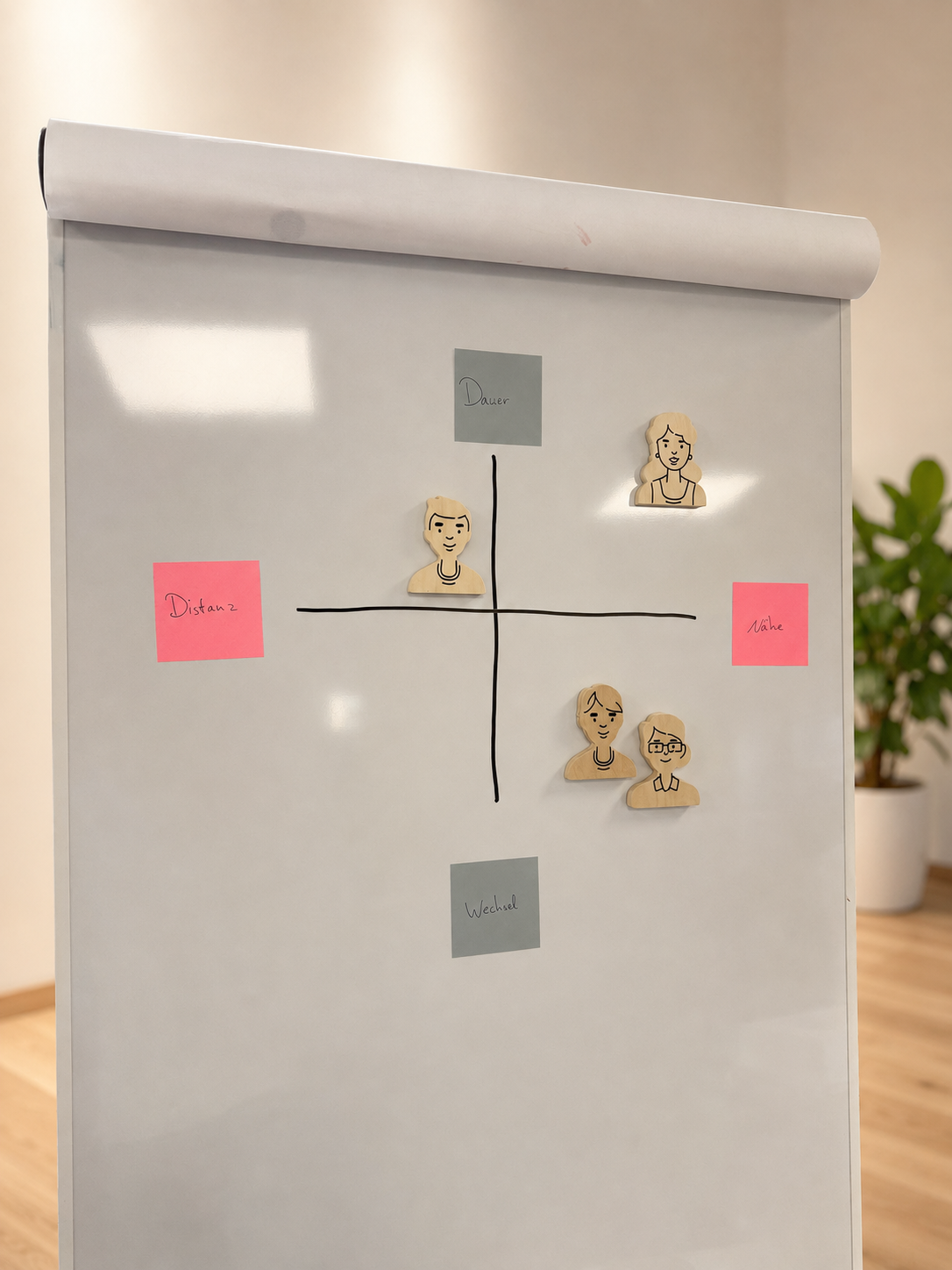
Work on whiteboards or magnetic boards is especially effective. Relationships can be moved, added, or rearranged – and the entire system visibly reacts.
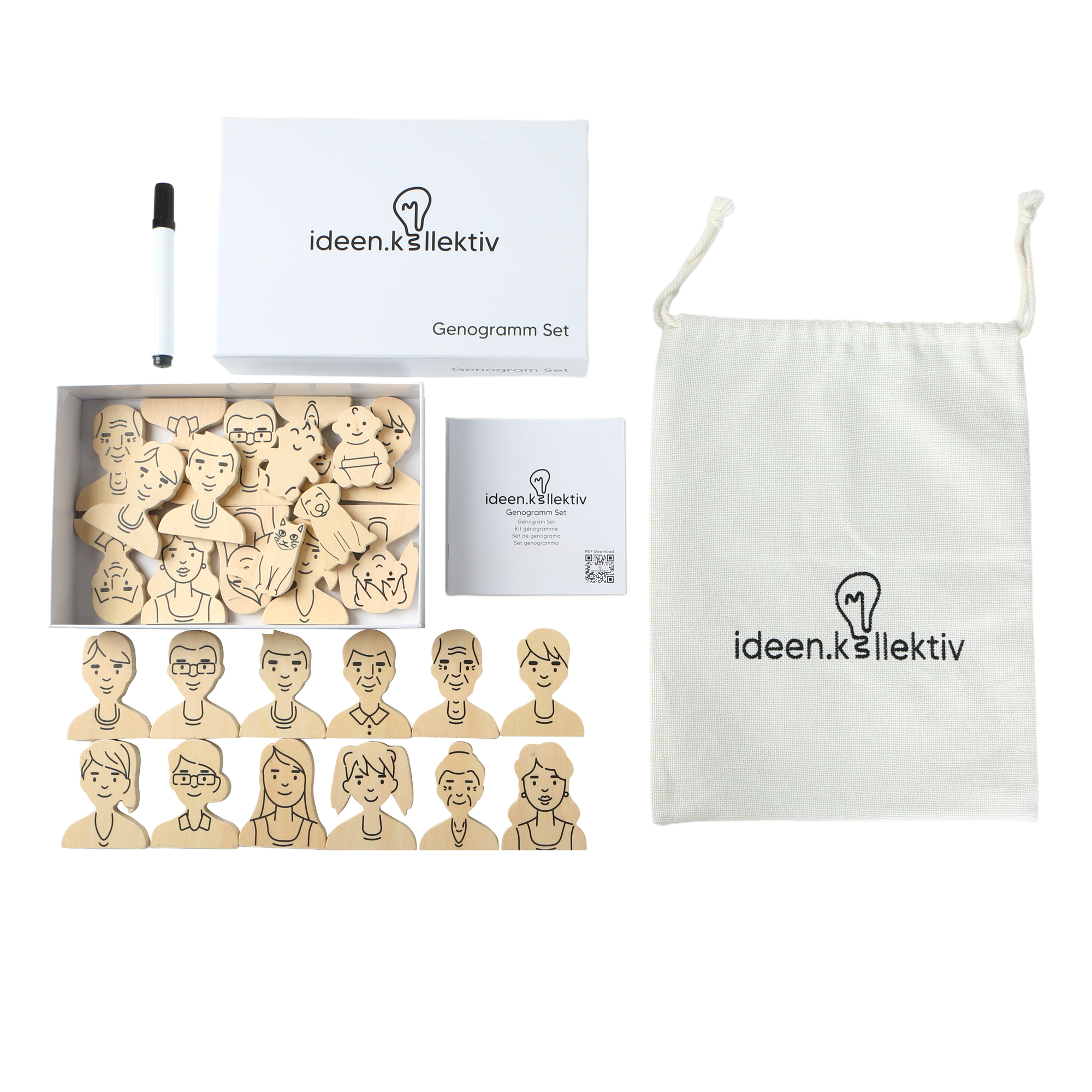
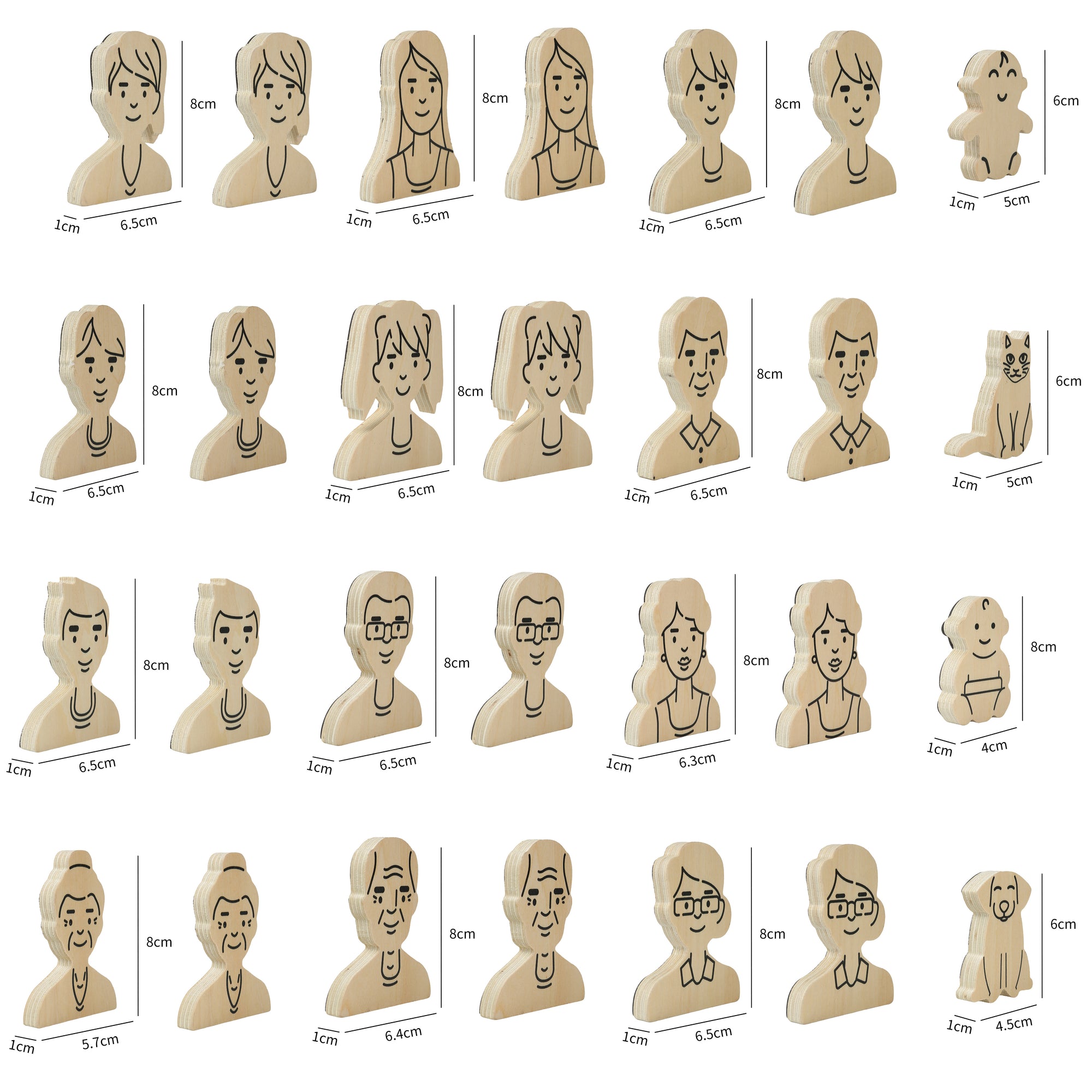
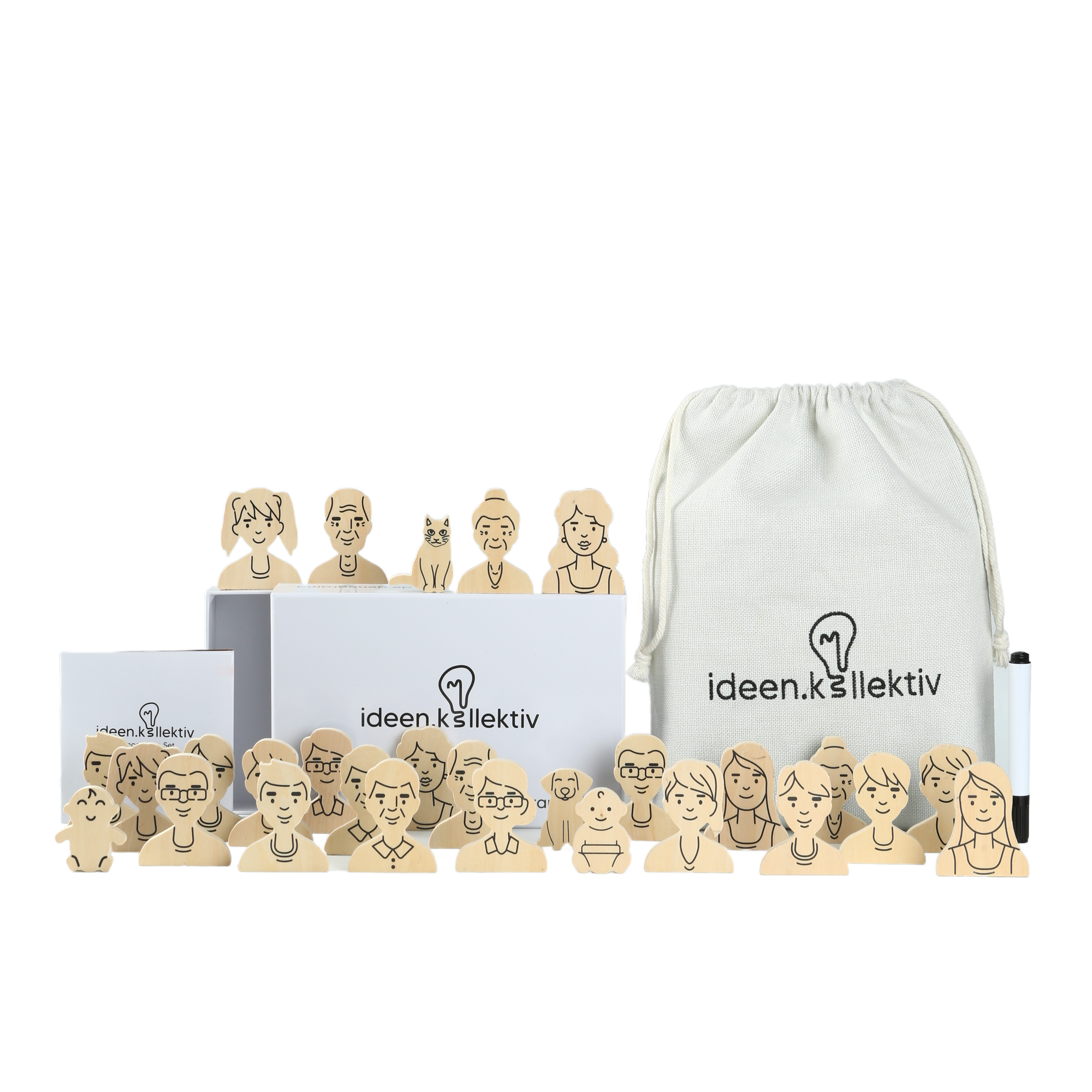
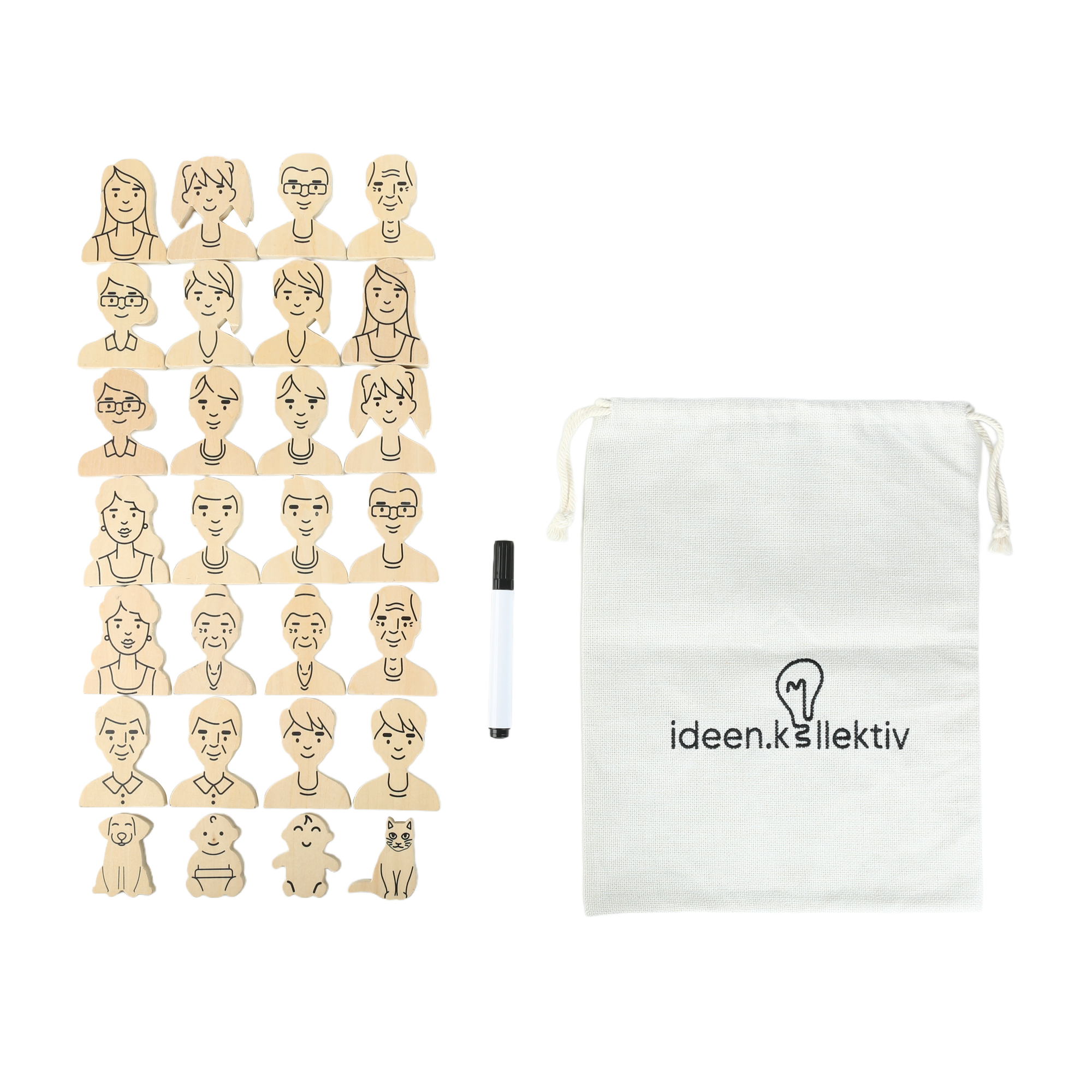
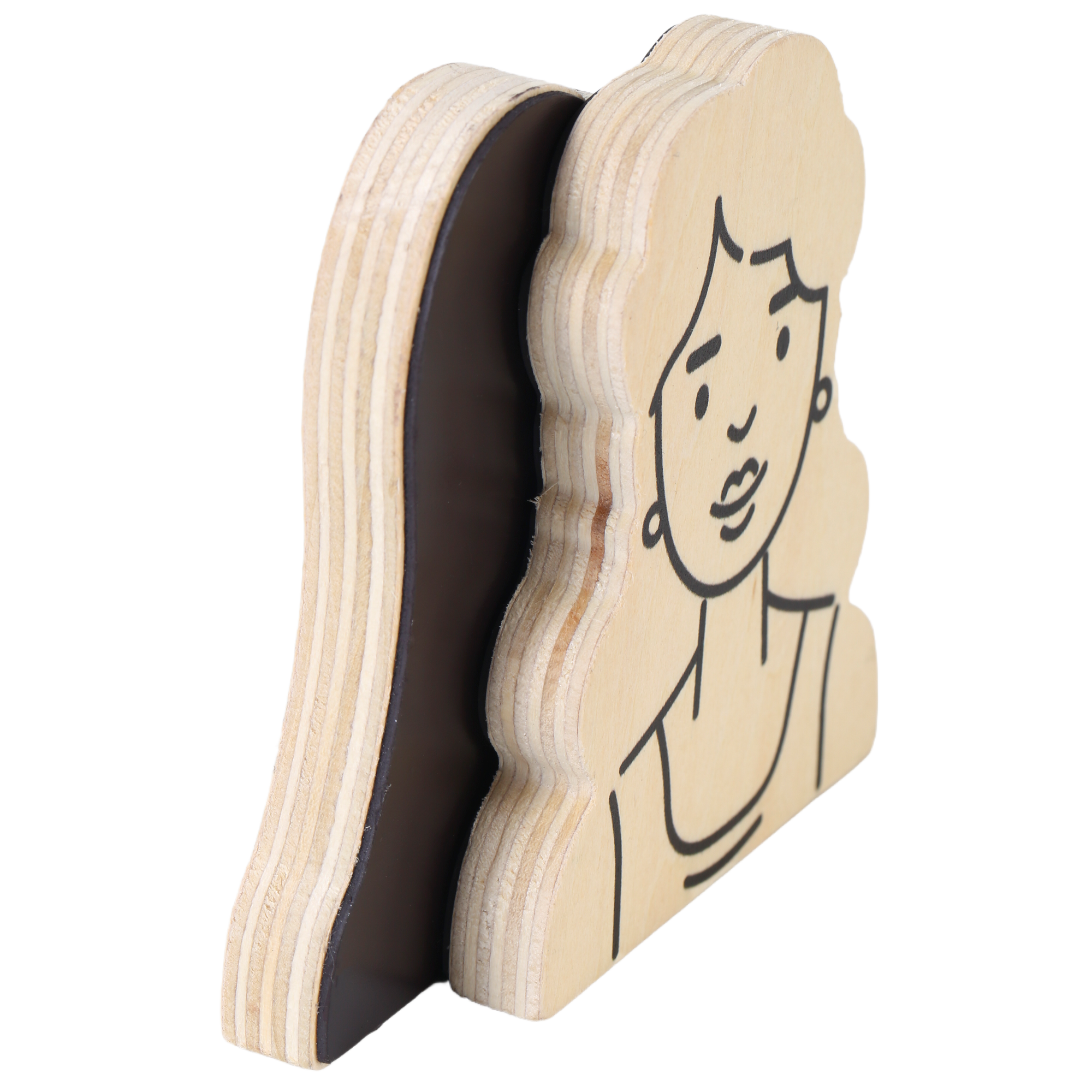
For this work, the magnetic genogram set is suitable, which depicts families across generations with 28 figures – ideal for coaching, therapy, or training.
Transgenerational patterns – How history shapes the present
Behavior rarely arises by chance. Families pass on values, expectations, and reaction patterns – sometimes over many generations. Those who don’t recognize this often live according to internal scripts that aren’t their own.
- Repetitions: Similar relationship patterns, partner choices, or conflicts reoccur.
- Assumed responsibility: Children unconsciously carry the emotional burden of their parents.
- Taboo topics: Guilt, loss, shame, or trauma continue to have an unspoken effect.
- Symptom as function: Behavior unconsciously fulfills a stabilizing role in the family system.
Practice: From conversation to clear picture
1. Collecting information
Birth dates, separations, illnesses, breaks, migration – everything relevant is recorded on the surface. Visibility replaces abstract storytelling.
2. Marking relationships
Who is close to whom, who is distant? Where are the breaks, who supports whom? Different lines and symbols create clarity and structure.
3. Testing hypotheses
When a figure is moved, the entire system changes. Even small movements can reveal new connections.
4. Making resources visible
Systemic work never ends with the problem. Courage, care, and loyalty also belong to the system – and can be specifically activated.
Systemic constellation – Understanding through experience
While the genogram provides structure, the constellation leads to experience. Whether with figures or representatives: the system becomes spatially and emotionally tangible.
- Position work: Figures are arranged as seems fitting – and then consciously changed.
- Symbolic relief: Assumed responsibility is returned, belonging is acknowledged, boundaries are made visible.
- Ritualized phrases: Short formulations (“I honor your fate and follow my path”) have a clarifying and liberating effect.
The combination of cognitive clarity (genogram) and emotional experience (constellation) enables sustainable change.
Examples from practice
Example 1: Always the strong one
For three generations, the oldest daughter takes responsibility for everyone. The genogram shows: In the first generation, the father dropped out early. The role passed on – unconsciously. Intervention: Return responsibility, activate resources, redistribute tasks.
Example 2: Flight from closeness
A man withdraws as soon as a relationship forms. The genogram shows: His mother was emotionally dependent, the father distant. Closeness meant confinement. Insight: He may now redefine closeness – as a free choice, not an obligation.
Example 3: The unspoken event
In one family, the early death of a child was never spoken about. Only through the constellation does the topic come to light. The system relaxes, symptoms lose pressure. Visibility replaces silence – and thus tension.
Guide for starting genogram work
- Clarify goal: What should be understood or changed?
- Set framework: Time, data protection, emotional safety.
- Make visible: Work on a whiteboard or magnetic surface – not just in your head.
- Mark patterns: Repetitions, breaks, gaps.
- Test hypotheses: Move figures, observe reactions.
- Integrate resources: Who or what strengthens?
- Derive action: Formulate a concrete change for everyday life.
For this process, the genogram set with 28 magnetic figures is suitable – flexible, professional, and intuitive.
Frequently asked questions about genogram work
Is a genogram only meant for therapy?
No. Genograms are also useful in coaching, counseling, education, supervision, and training – wherever relationship structures need to be understood.
How deep should research go?
Only as far as it serves the goal. A good working image is more valuable than flawless genealogy.
How to handle sensitive topics?
With dignity, respect, and calm. Briefly name, respect boundaries, adjust pace.
Which comes first – genogram or constellation?
Often the genogram is the entry point for overview and language. The constellation deepens understanding through experience. Both complement each other ideally.
Final thought
Those who organize their own origins gain freedom – not to correct the past, but to shape the present more consciously. Sometimes a clear view of what was is enough to live what is anew.