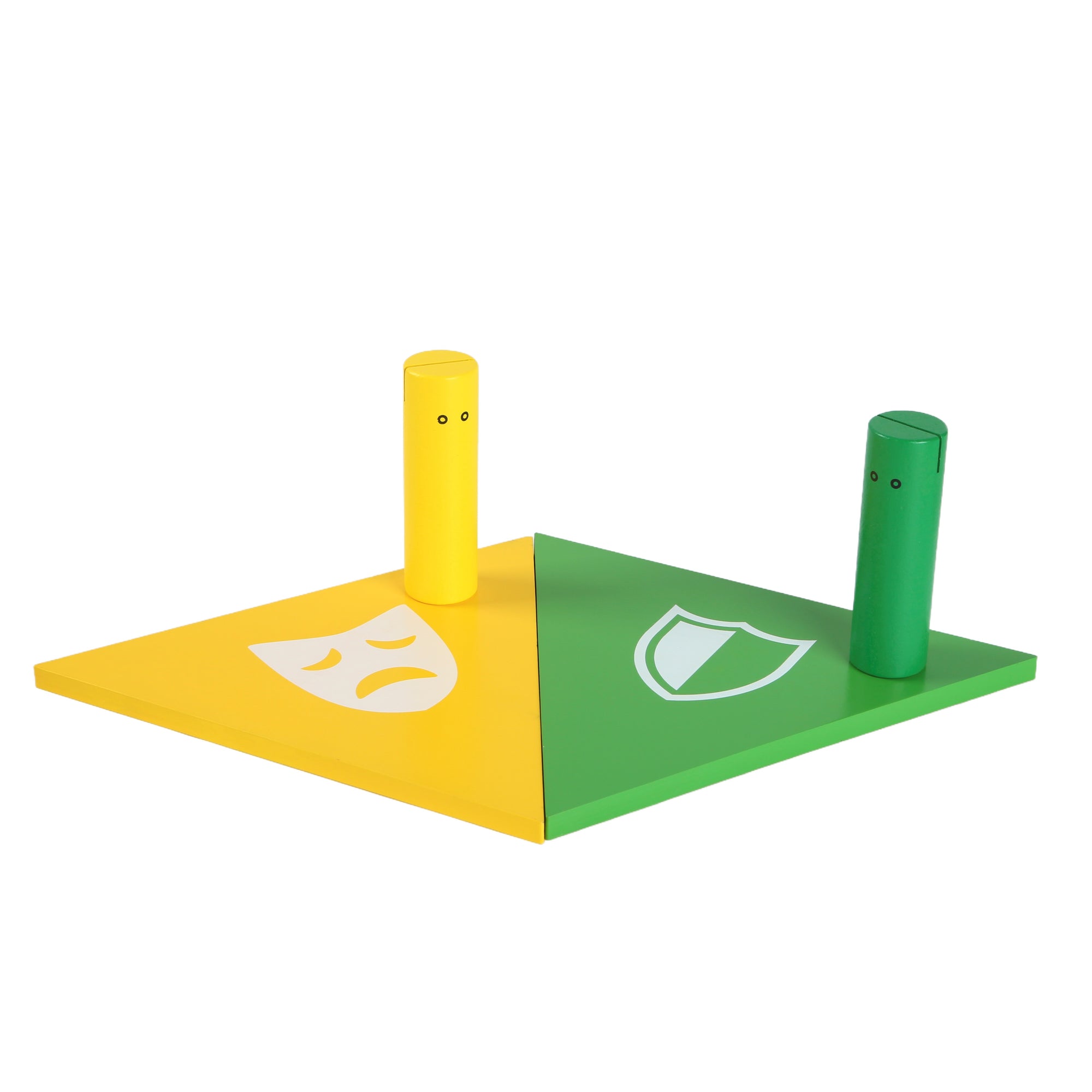
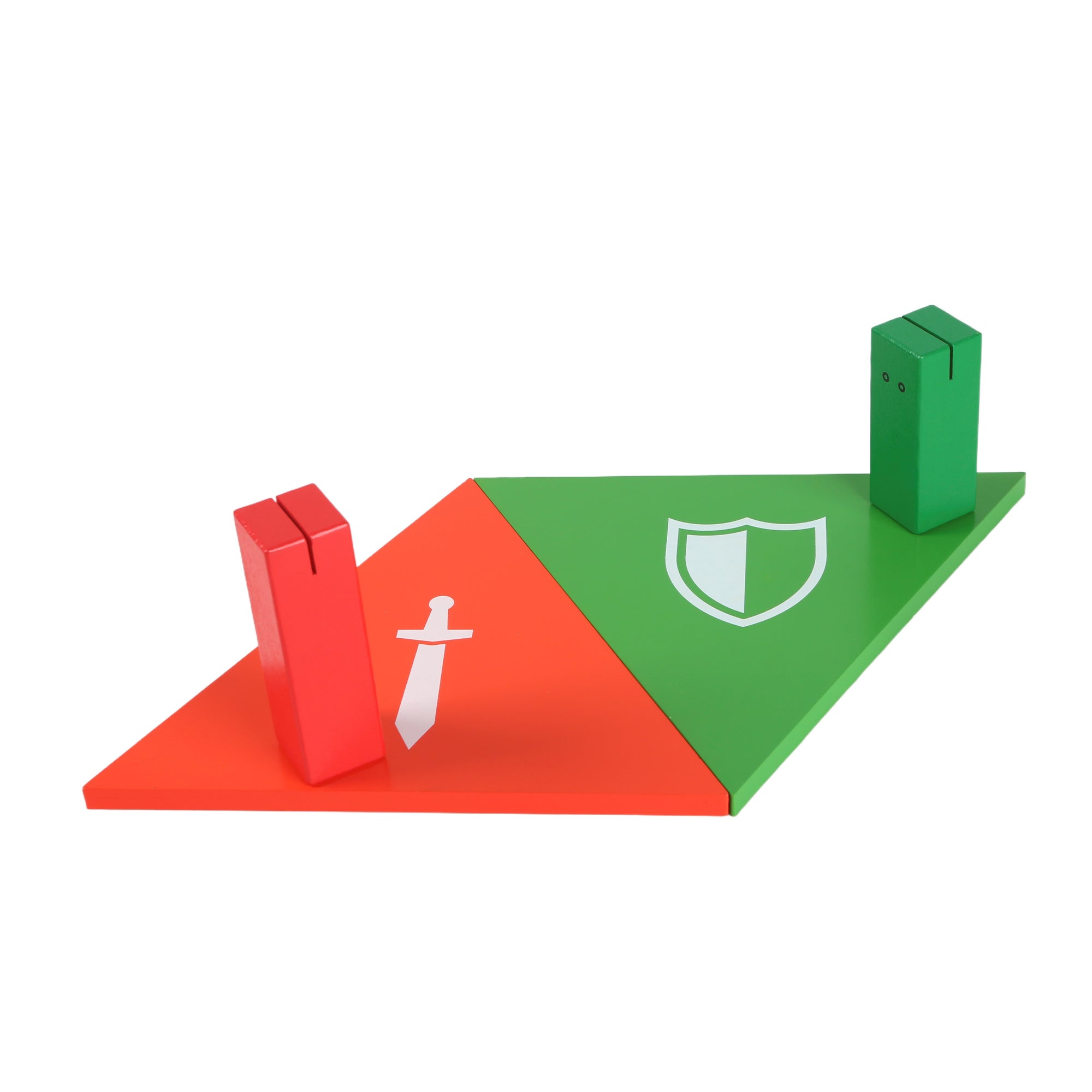
🚨 How the Drama Triangle manipulates you daily
The same game every morning: your colleague is late, you take over his tasks because "otherwise everything would pile up." At first, you were understanding, now you’re just annoyed. At the next meeting, you lose your temper – and later wonder how it got to this point again.
Welcome to the Drama Triangle.

📌 The Drama Triangle concept
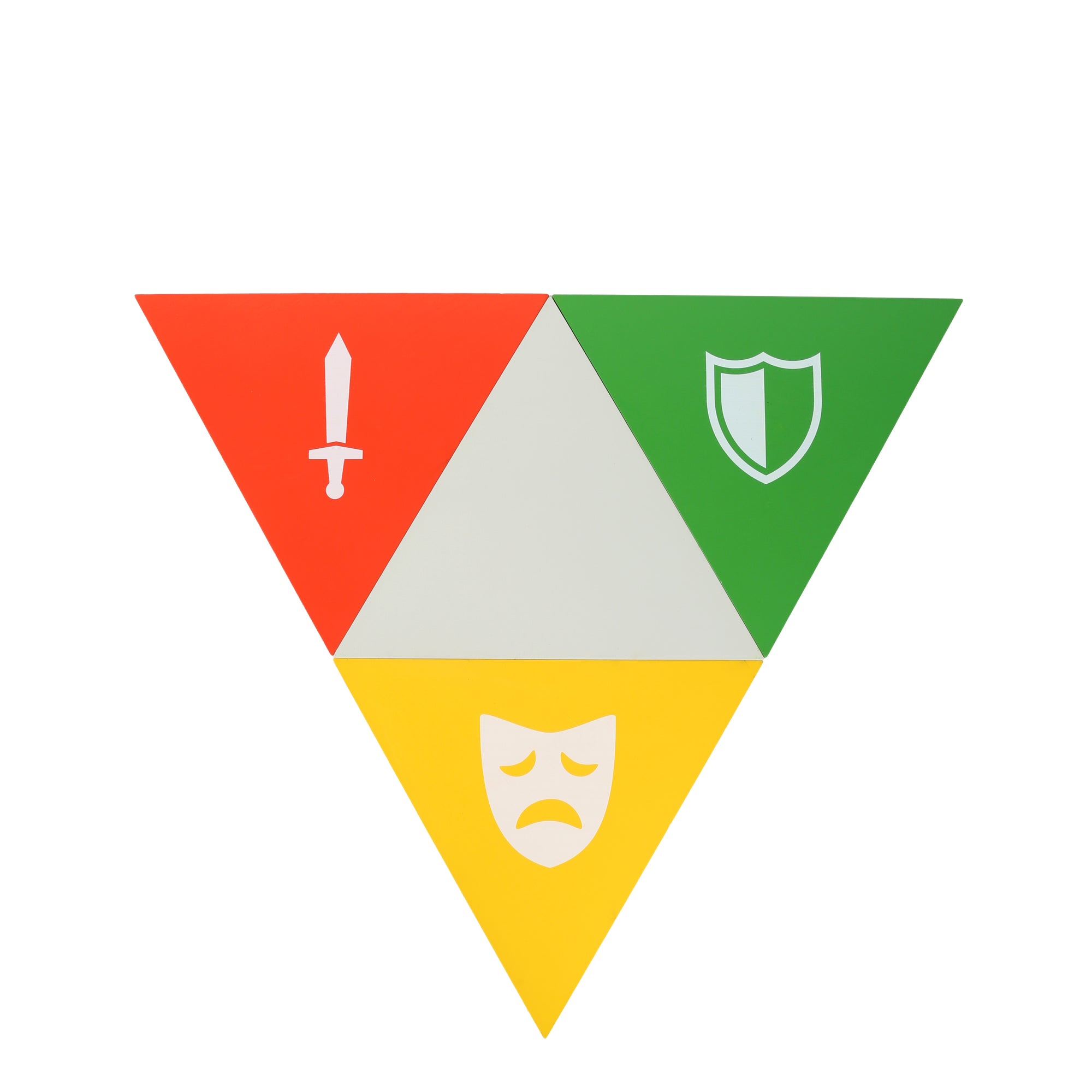
The Drama Triangle comes from transactional analysis and was developed by psychologist Stephen Karpman. It describes three typical roles that repeatedly appear in conflicts: victim, savior, and persecutor. Karpman originally created this model to analyze dramas in theater scenes but quickly recognized its universal relevance for real-life interpersonal conflicts.
What looks like a harmless communication pattern is actually a toxic dance. Especially dangerous: the roles constantly switch – and no one realizes they’re caught in it. The goal is to recognize the Drama Triangle, identify the victim role, and break free.
Let’s stick with the colleague example – because every role becomes clear here.
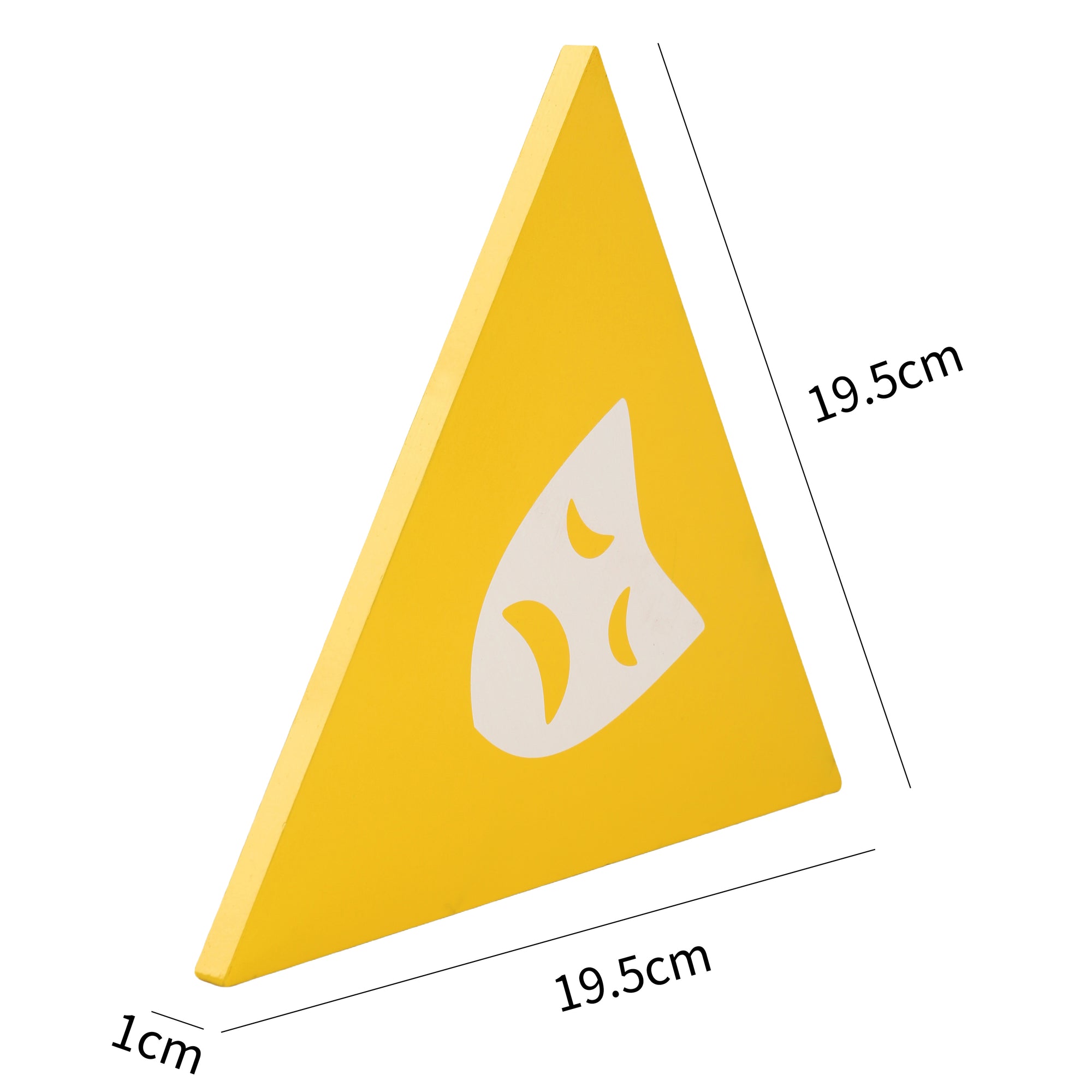
🎭 "It’s not my fault!" – The victim role
The colleague is late again. His explanation: the bus was delayed, the child was sick, life is against him. He’s never to blame. The victim feels powerless and without influence. They complain, whine, and avoid responsibility. The core belief: "I can’t do anything."
Recognize the victim role? Those who constantly complain but change nothing are stuck in this mindset.
Knowledge fact: Studies show that chronic "victim mentality" negatively affects motivation, self-efficacy, and even health over time.
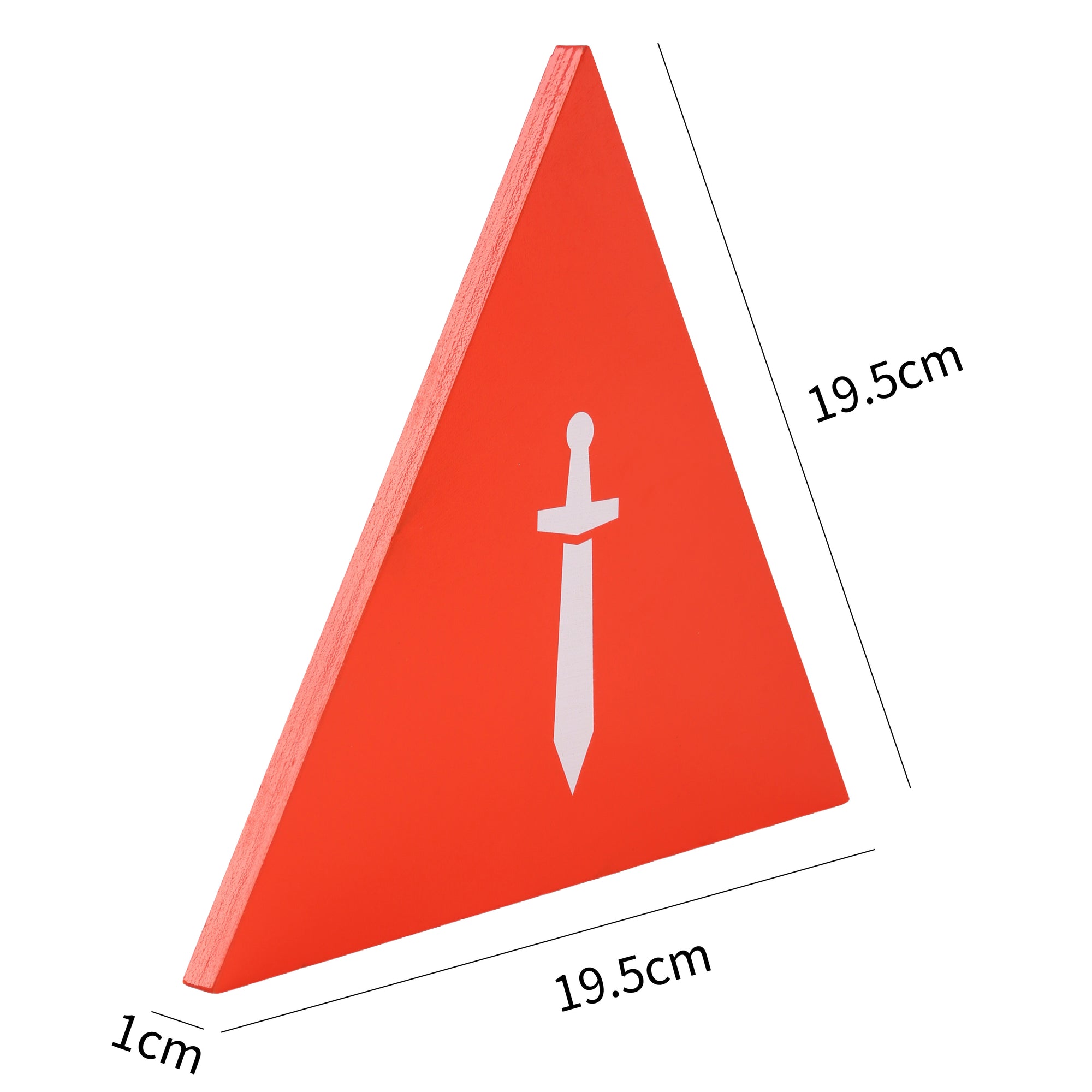
💪 "I’ve got this!" – The Savior
You step in. Of course. Because you’re helpful. Because you think you have to. The Rescuer means well – but takes on too much. They take responsibility without asking. That sounds noble, but it keeps the Victim passive.
What happens? The colleague learns: “If I’m late, someone else will handle it.” But you become exhausted, overwhelmed – and increasingly angry inside.
Note: The Rescuer appears supportive – or at least seems so. In reality, they stabilize the other’s helplessness.
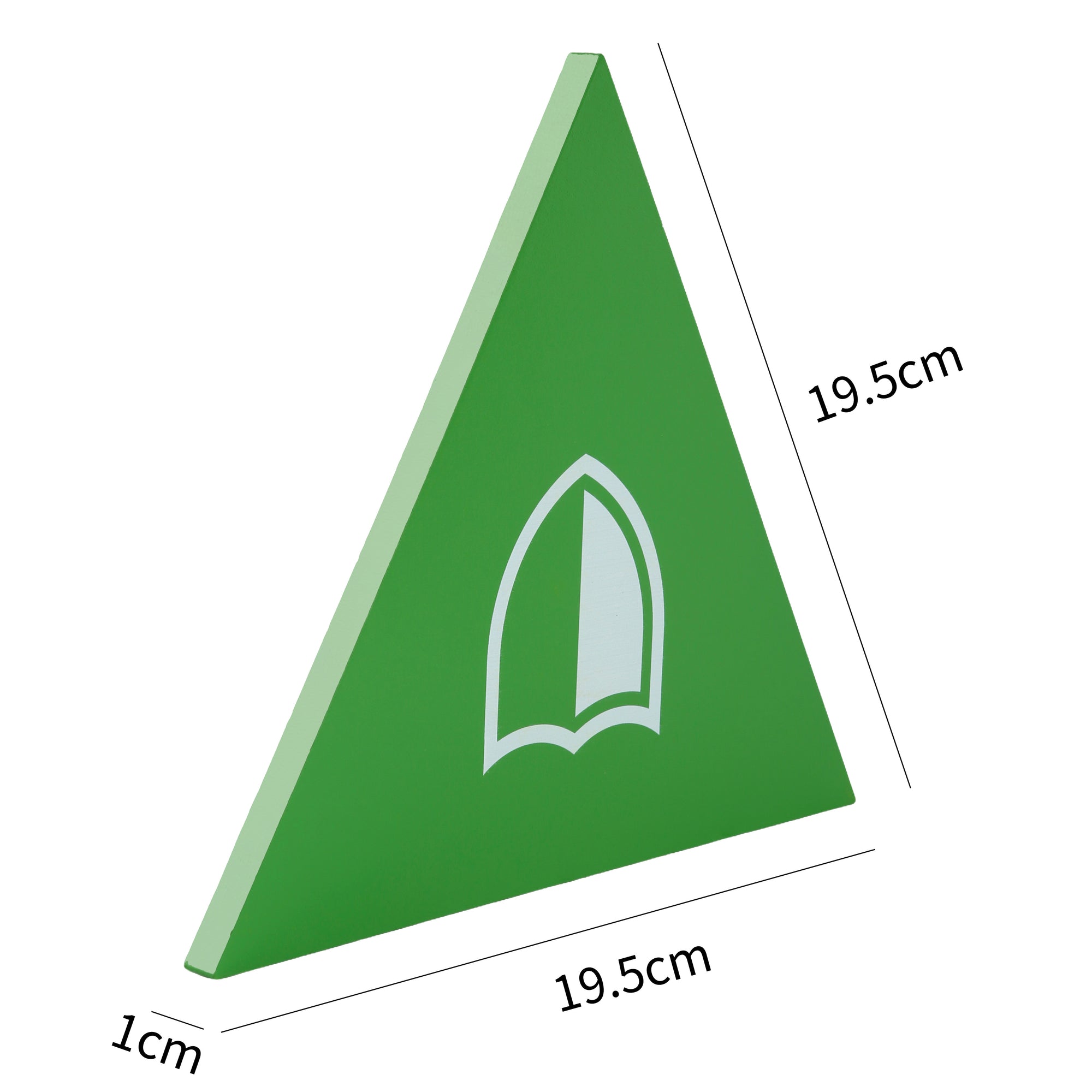
⚡ “Enough is enough!” – The Persecutor
At the next meeting, you lose it: “This can’t go on! I’m not doing everything alone!” Boom – the helper becomes the Persecutor. Criticism, blame, pressure. The Victim withdraws, feels attacked. The Rescuer turns into the opponent – the drama escalates.
The Persecutor is usually frustrated, disappointed, or overwhelmed. They demand responsibility, but often in a way that is destructive.
Typical: The colleague replies hurt: “I really couldn’t help it…” – and slips back into the victim role.
🎓 Free video course: Understand and resolve the Drama Triangle
If you want to dive deeper into the model, we have created a free video course on the Drama Triangle. It shows step by step how to recognize the roles, understand the dynamics, and consciously step out of the drama.
👉 Free video course here
🌀 The trap: nonstop role swapping
The Drama Triangle thrives on role switching. Today you're the Rescuer, tomorrow the Persecutor, the day after the Victim. So is your colleague. Everyone plays, no one wins.
And the worst part: This dynamic is everywhere – in families, classrooms, teams, partnerships. Wherever people interact, drama is never far away.
Goal: Recognize the dynamics – and consciously step out.
💡 Get out of the game: 3 concrete steps
1. Recognize the role
The most important question is: Which role am I playing right now?
Typical thoughts help to unmask:
– "I just can’t manage it." → Victim
– "I’ll do it quickly for you." → Rescuer
– "You always do it wrong." → Persecutor
2. Give back responsibility
Instead of: "I’ll handle it for you," better: "What do you need to solve it yourself?"
Systemic thinking means: Every person is capable of action – even if it is uncomfortable.
3. Clear communication instead of blame game
Less drama, more clarity. Instead of accusations: wishes.
Example: "I wish you would arrive on time in the morning so I can maintain my focus."
No blame. No drama. But impact.
🧰 Systemic coaching tools against drama
Anyone working with people – whether in coaching, therapy, or school – needs tools to make the Drama Triangle visible.
-
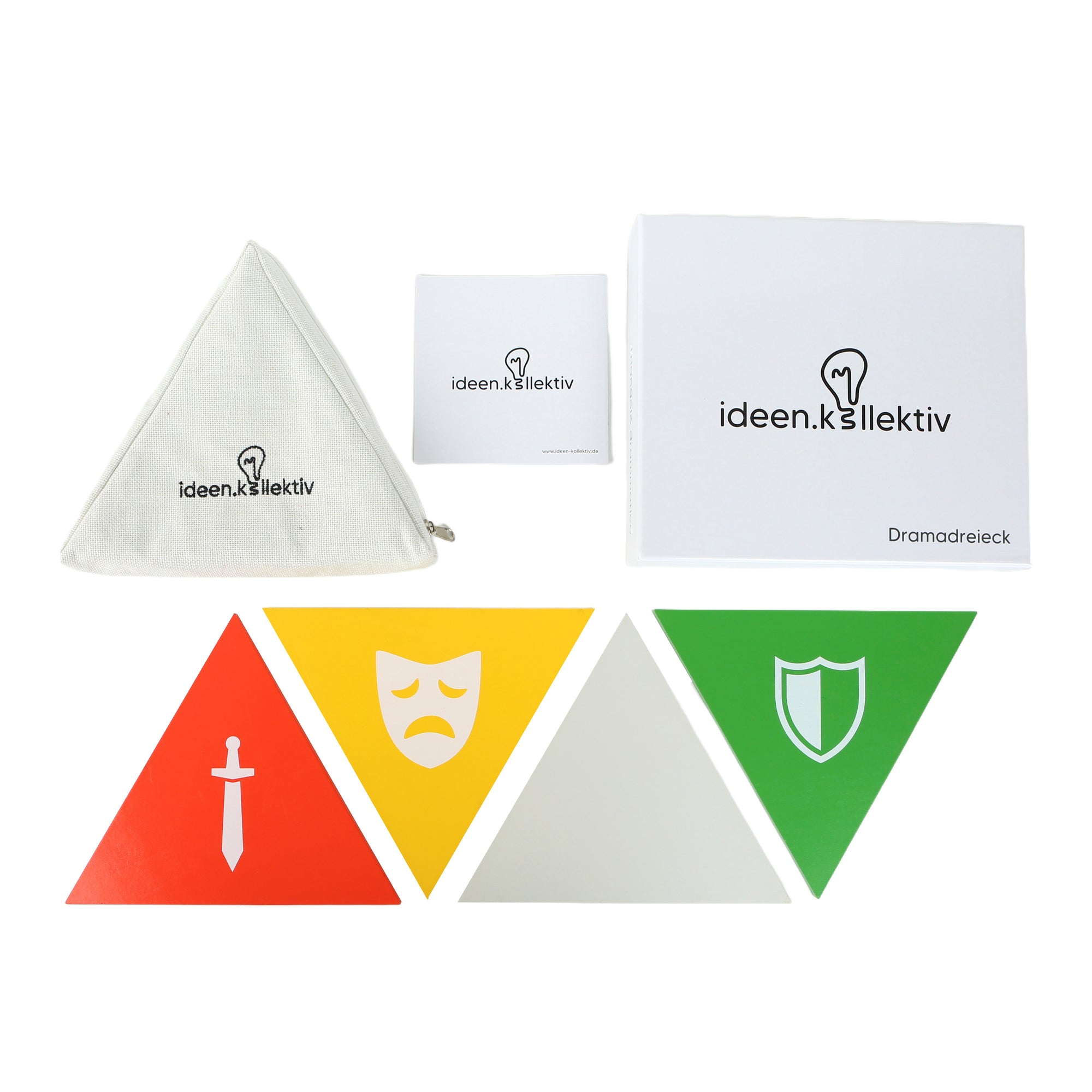
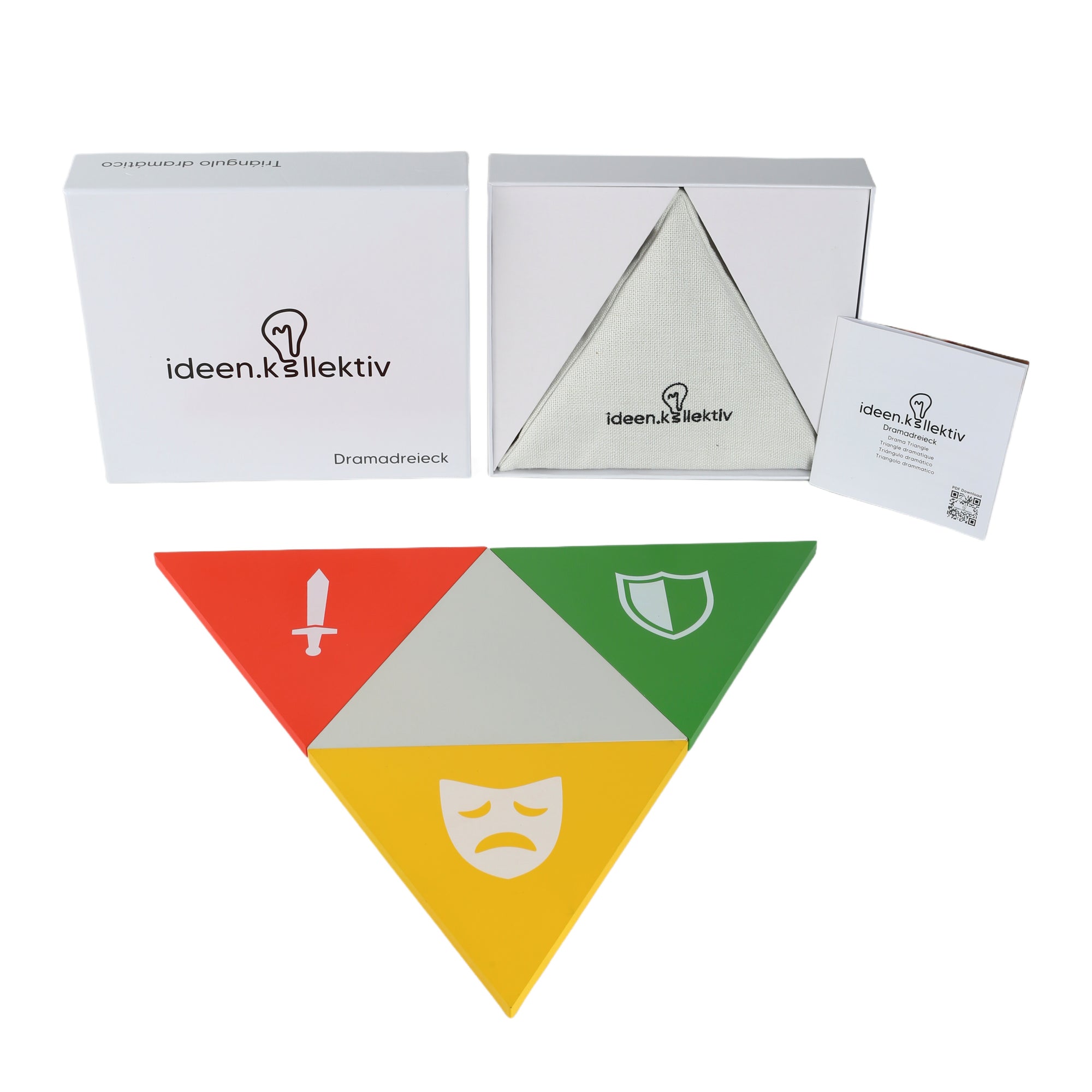
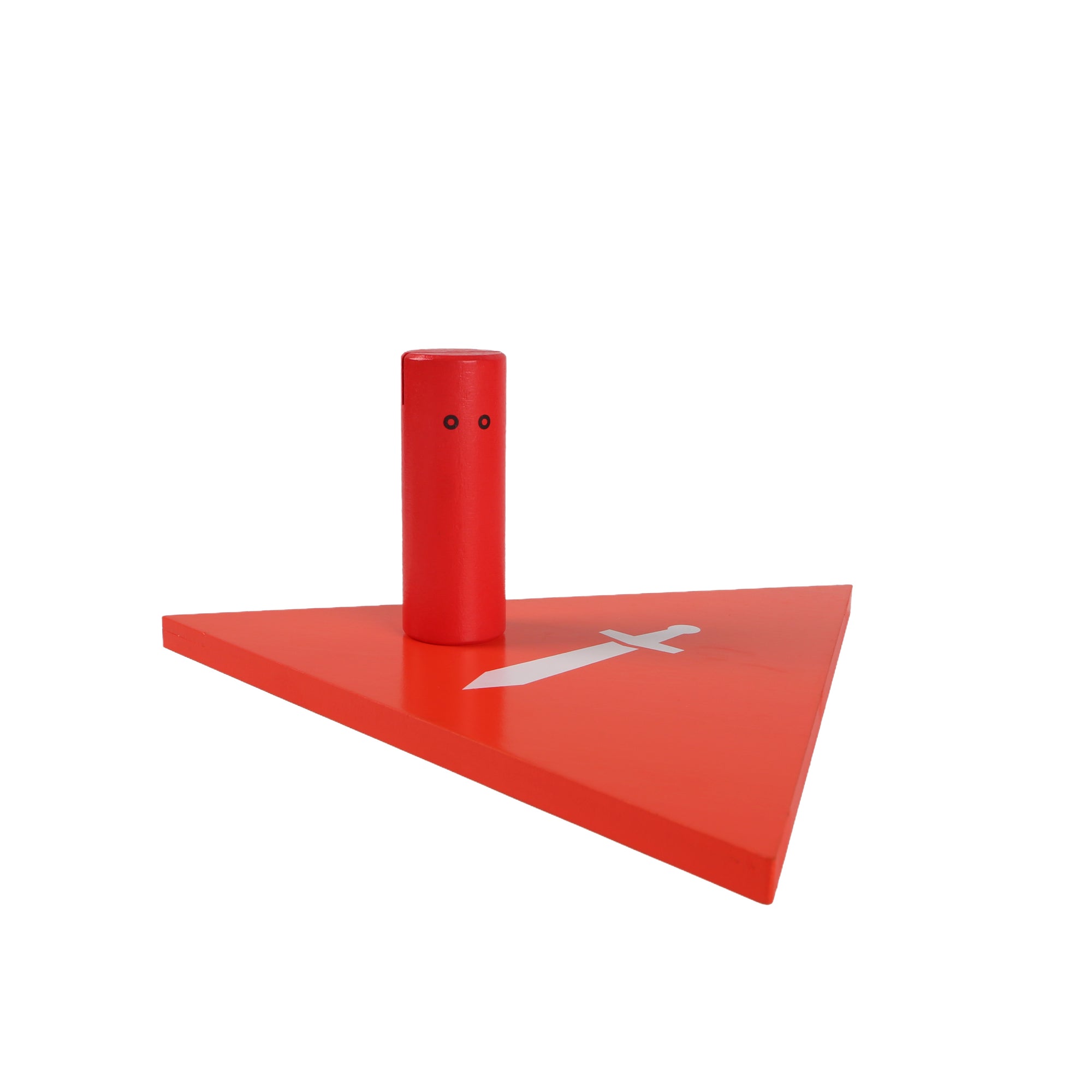
Chair dialogue: Three chairs for Victim, Rescuer, Persecutor – take perspectives and reflect.
-
Role setup: Arrange the roles in the room and feel what dynamics arise.
- Reflection questions:
– "What if you didn’t take on any of these roles?"
– "What is your concrete share?"
– "What do you really want to achieve?"
🧭 Conclusion: Step out instead of playing along
The Drama Triangle is like a silent play. Everyone knows their role. Everyone suffers from it. But hardly anyone questions it. It is worth regularly reflecting on your own behavior and consciously returning to self-responsibility – even when it is uncomfortable. Because ultimately, the most important question is not: "What role am I playing?" but: "Who am I when I am not playing?"
Those who recognize the victim role, work with systemic coaching tools, and communicate consciously end the game. And make room for real change – in the team, in the family, in the classroom, in life.