
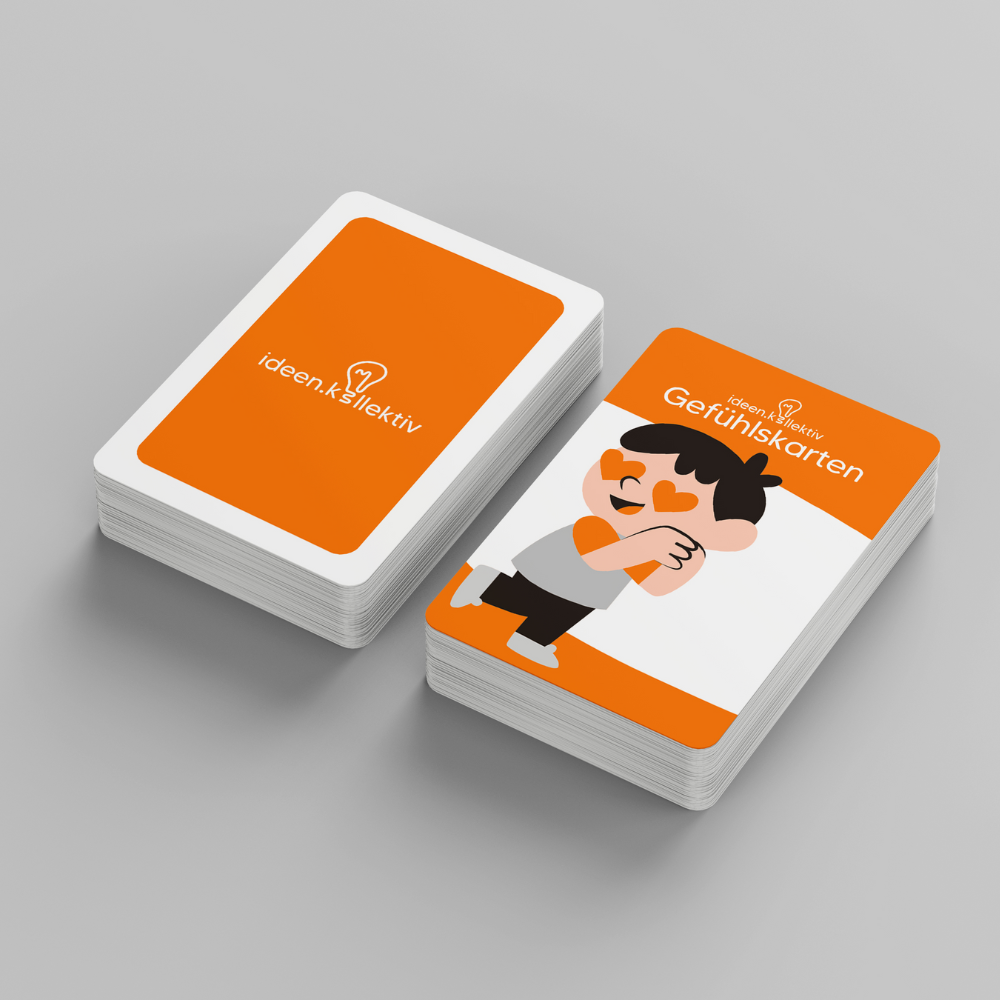
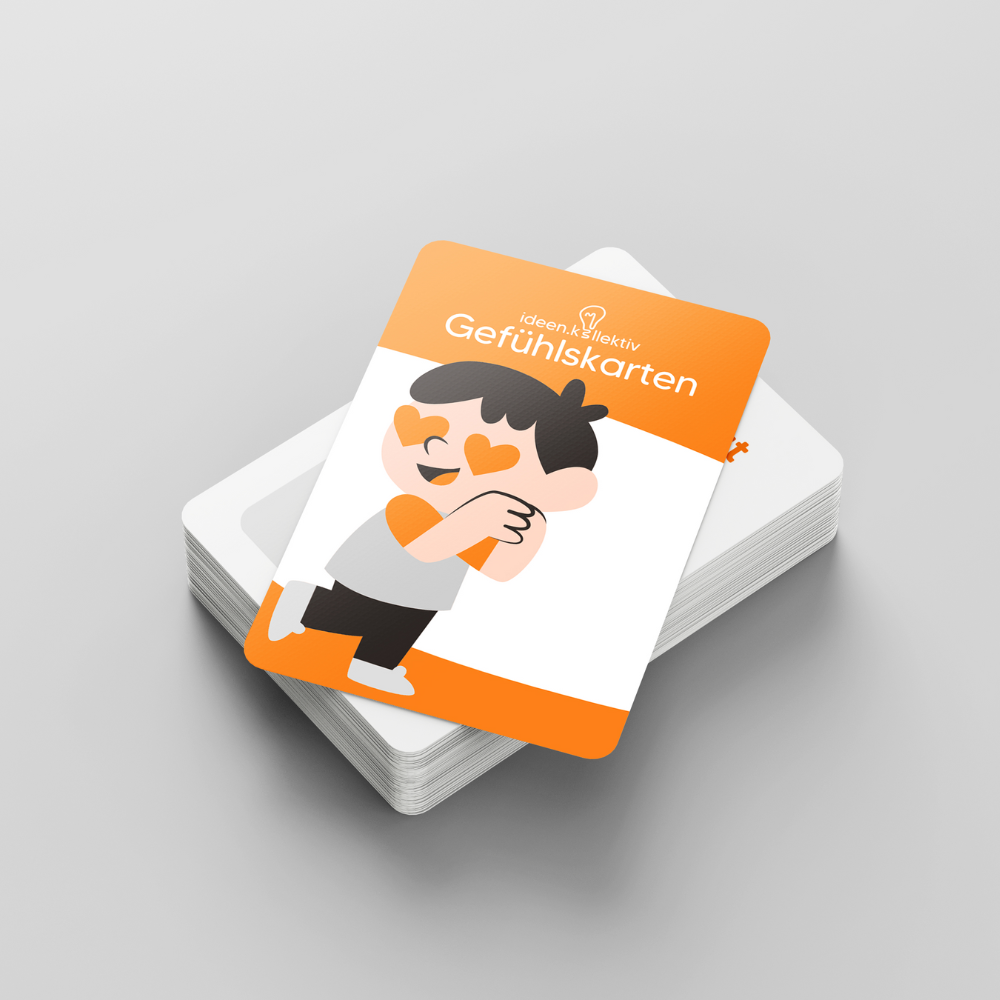
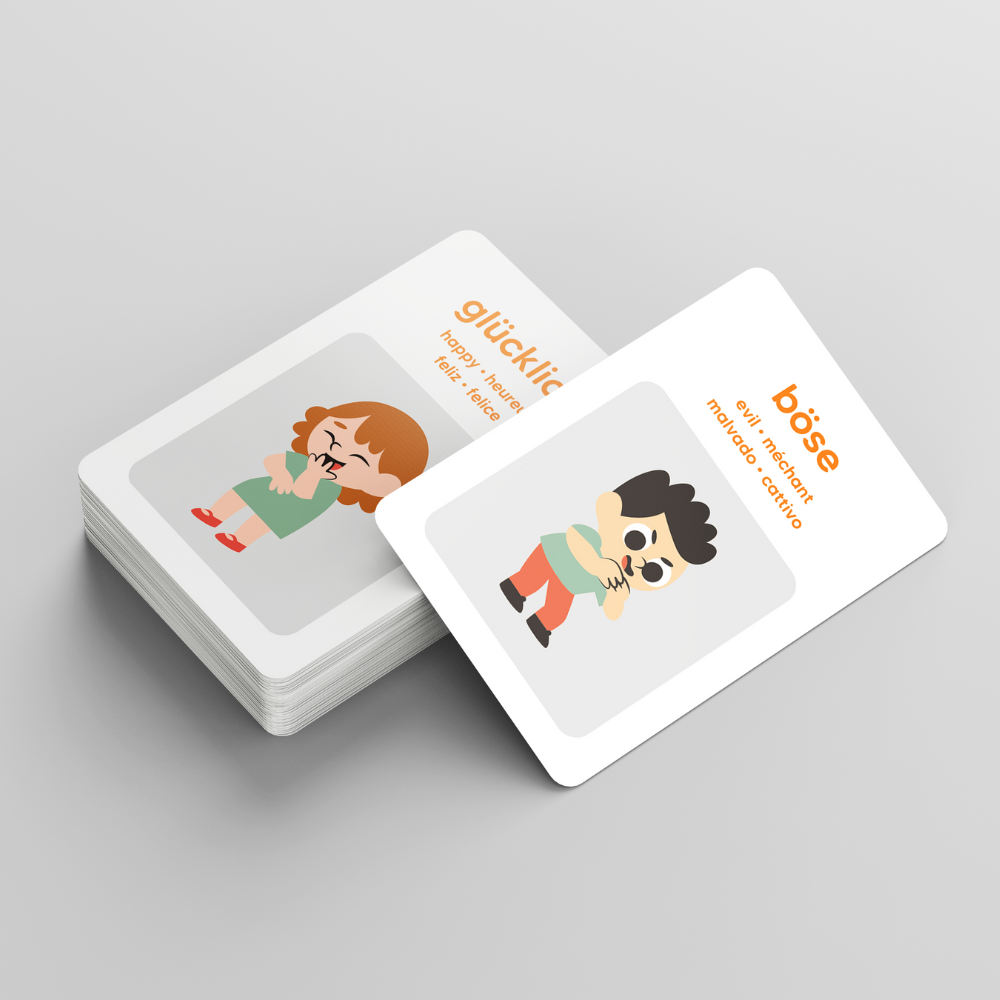
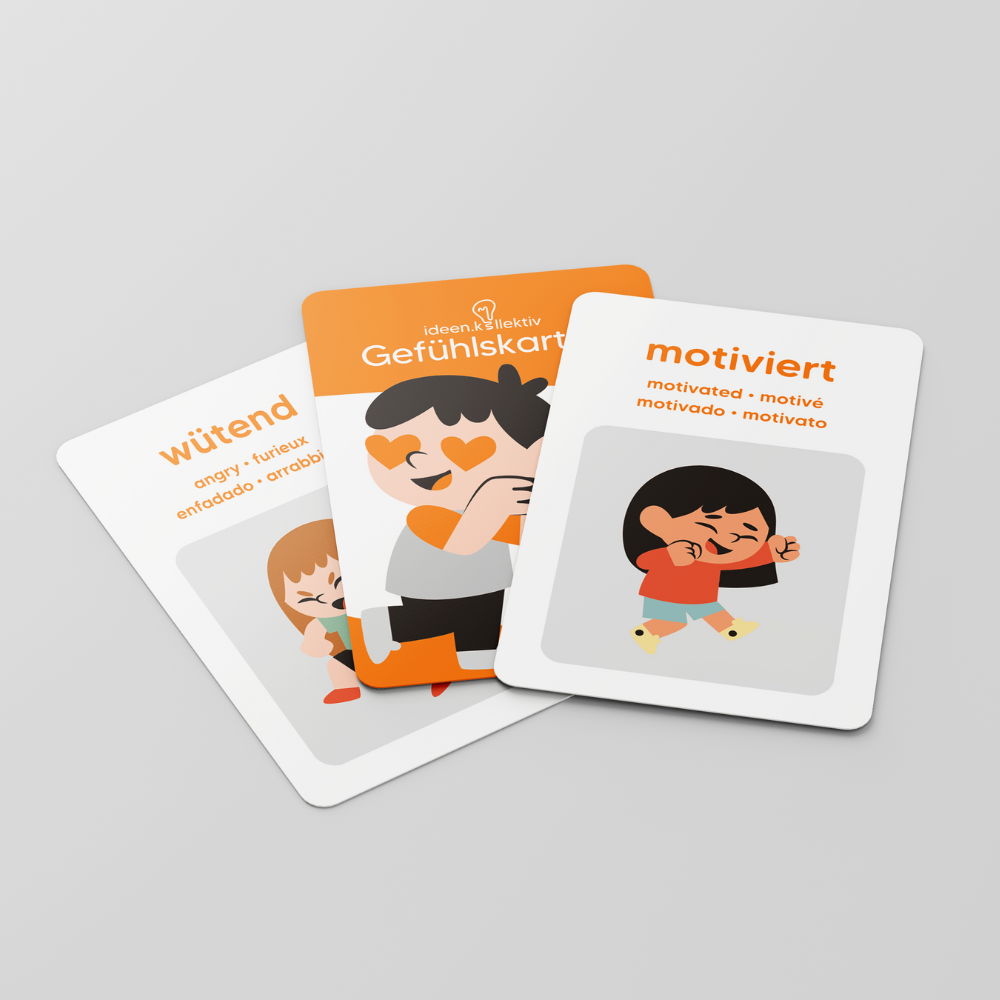

Emotion Cards
€9,95 EUR
Emotion cards – Visualize feelings, discover new impulses
Understanding and visualizing emotions
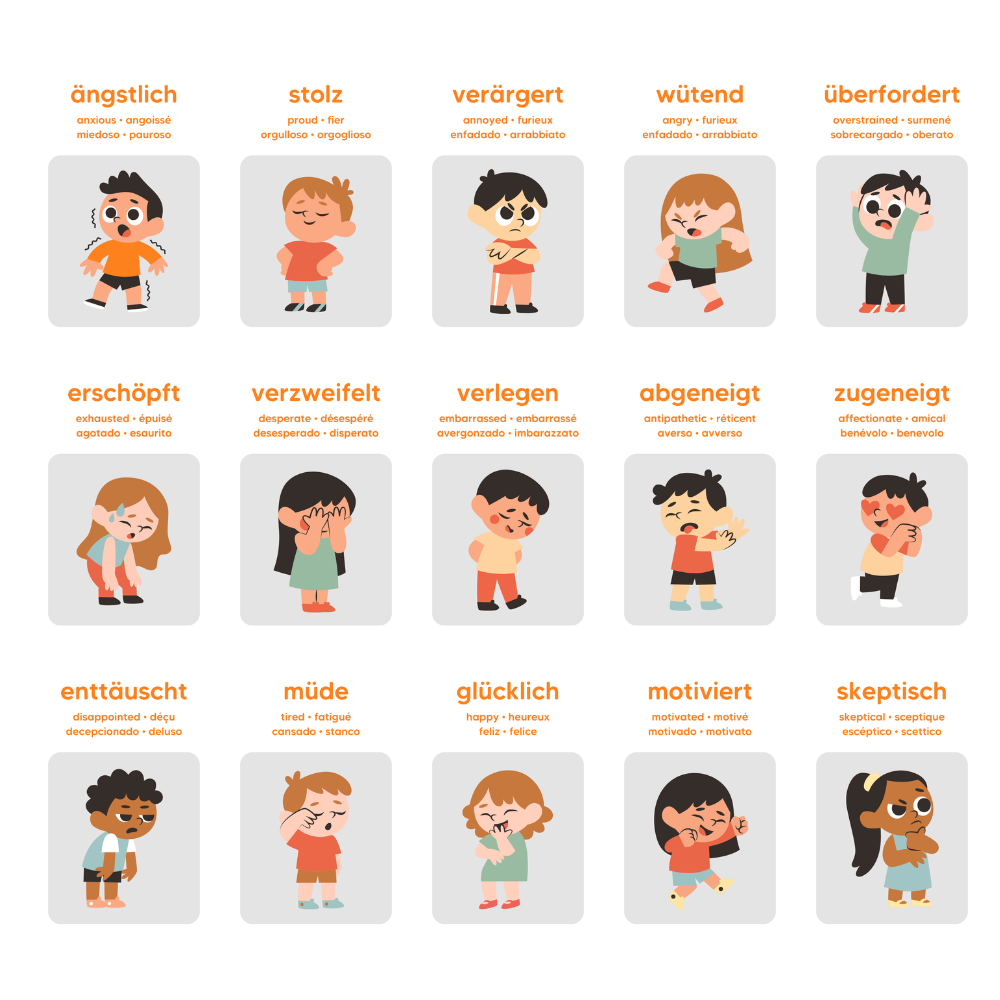
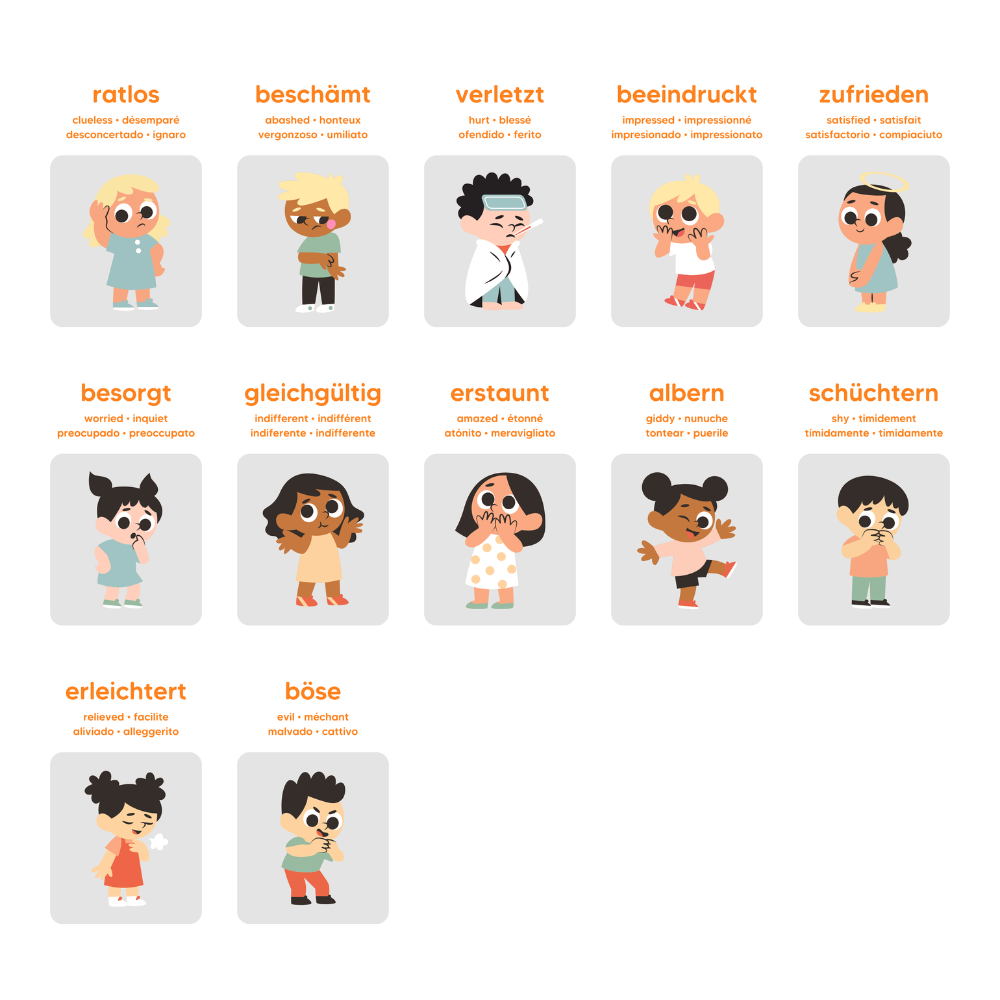
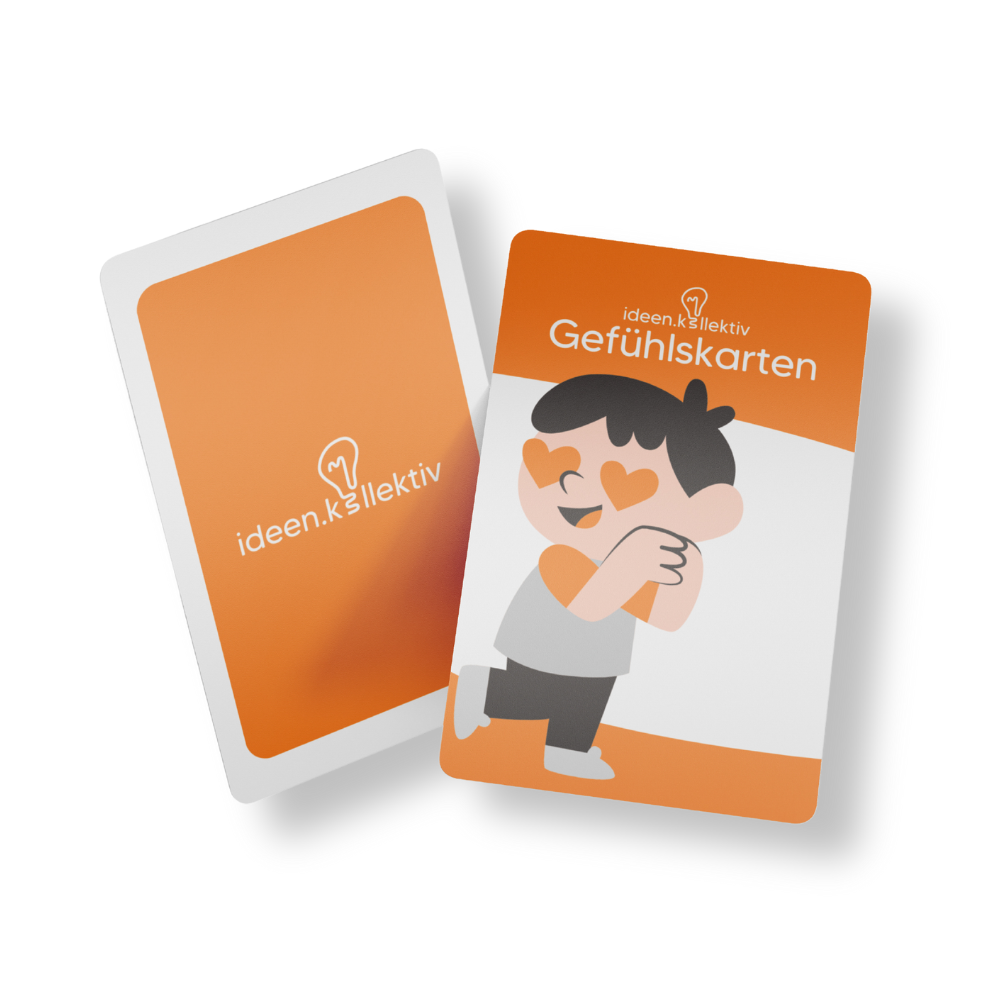
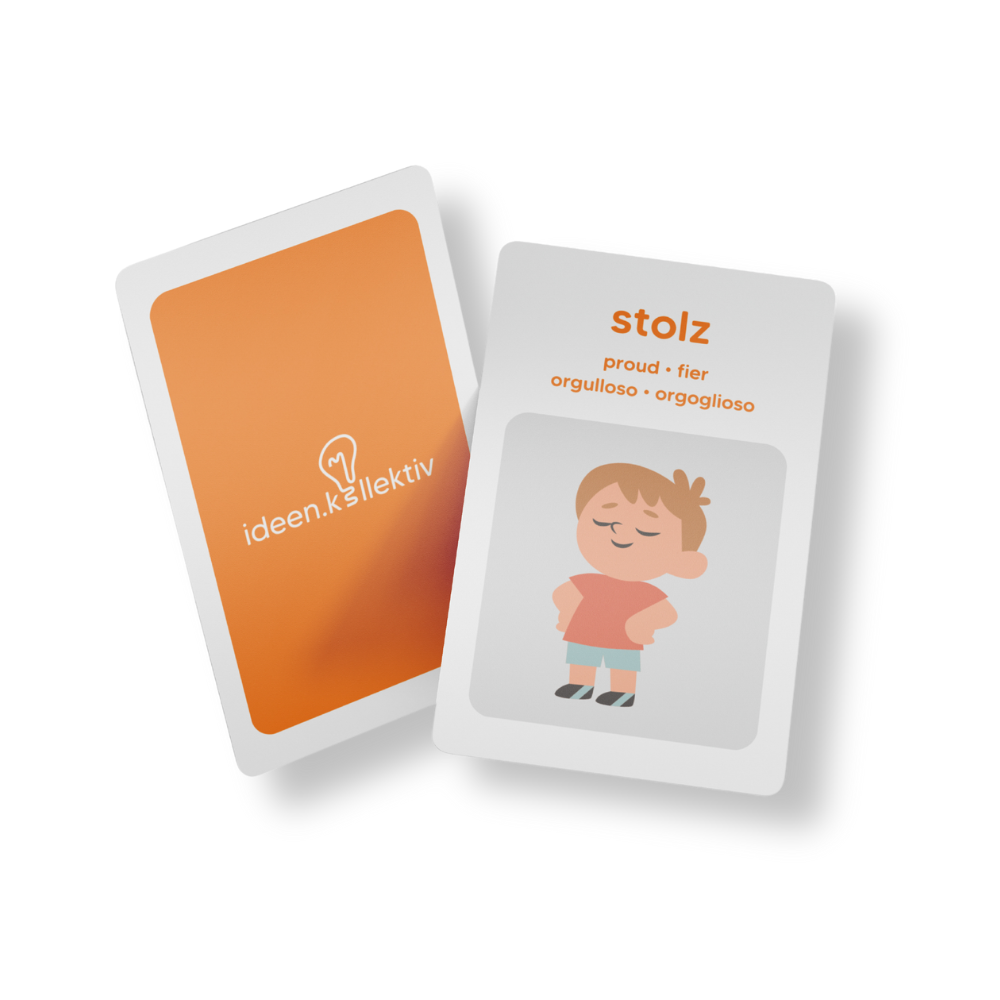
The ideen.kollektiv emotion cards are a helpful tool for making complex emotions visible. In therapy, coaching, or educational settings, they enable feelings to be tangibly visualized and thus better understood. Whether as an introduction to a session or for reflection, the cards promote deeper emotional engagement.
Versatile use
The emotion cards are flexible and can be used in various contexts: from individual sessions to group work and workshops. They are suitable for coaching, therapy, team building, and educational use. Thanks to multilingual support in German, English, French, Spanish, and Italian, the cards can also be used internationally.
With symbol cards
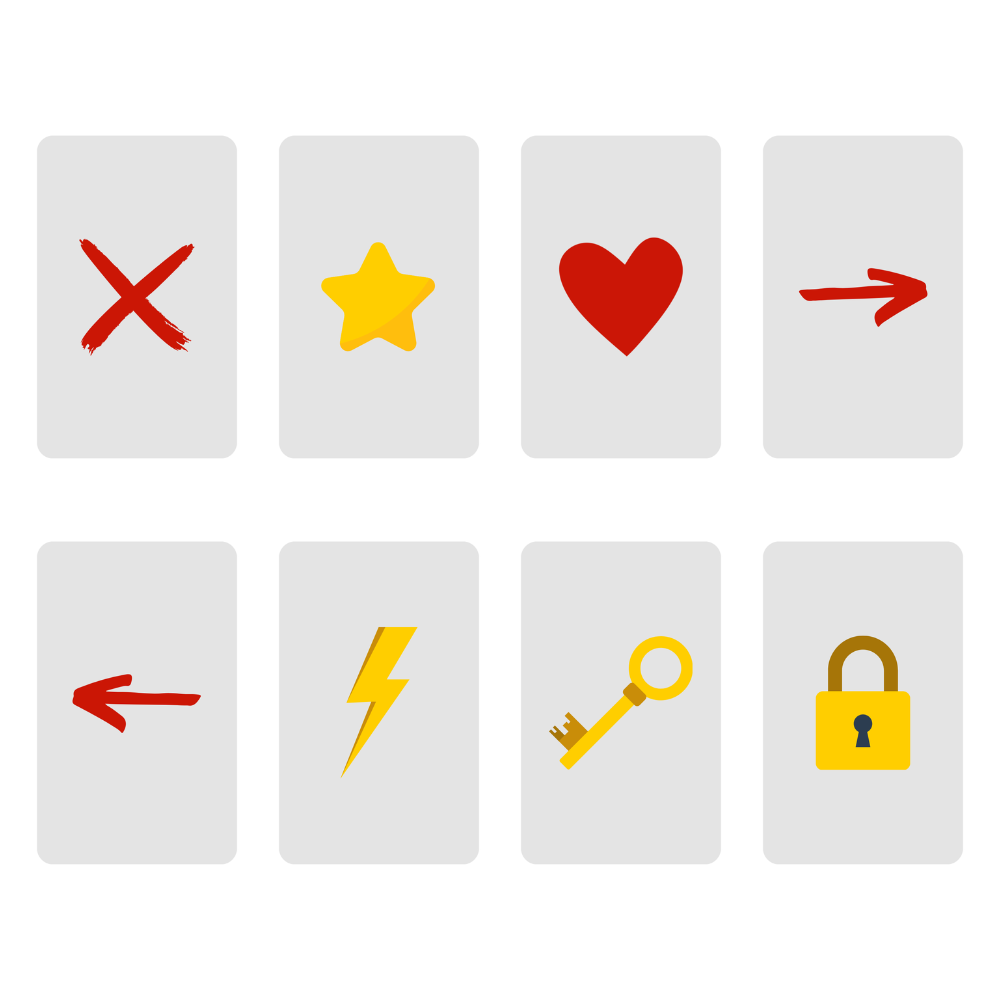
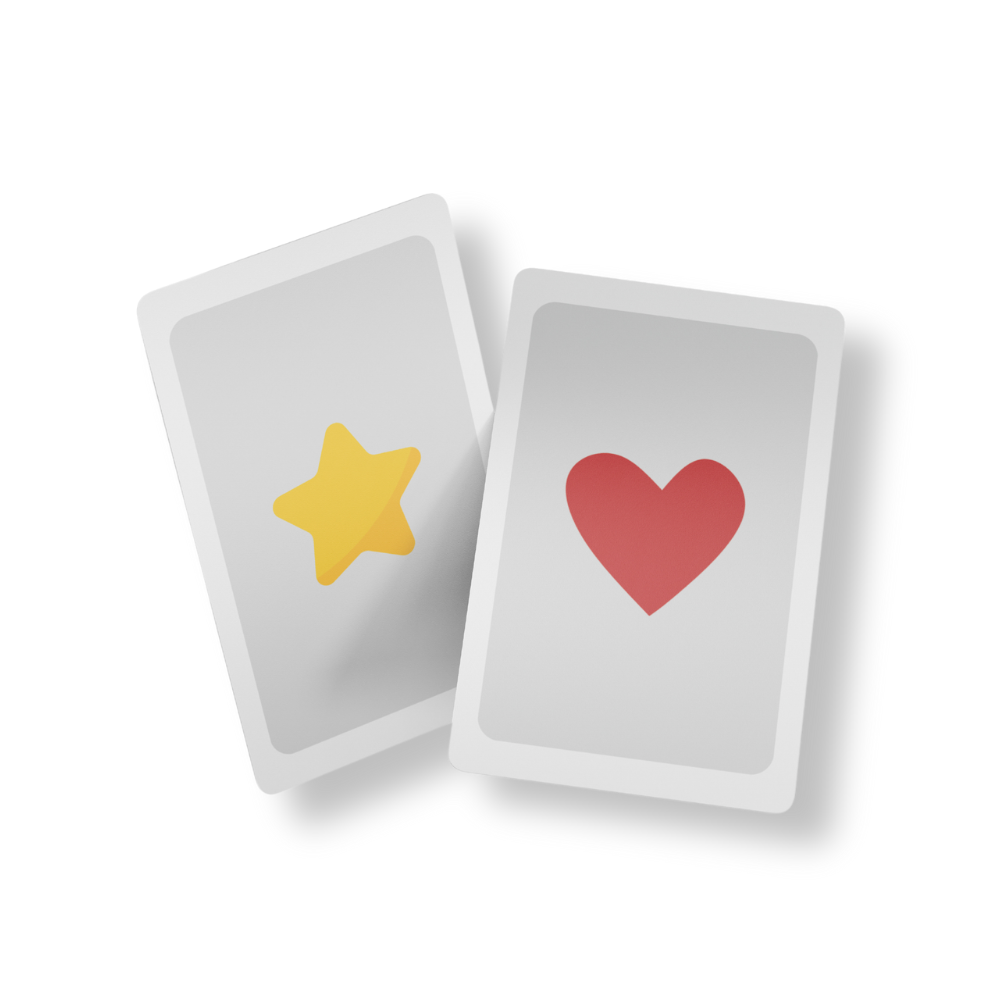
In addition to the emotion cards, the set includes symbol cards that add even more depth to the constellation process. They make it possible to vividly represent abstract concepts, dynamics, and emotional states. The combination of emotion and symbol cards offers a holistic approach for therapy, coaching, and systemic work.

System Board Figures
€30,95 EUR
About the additional system board figures
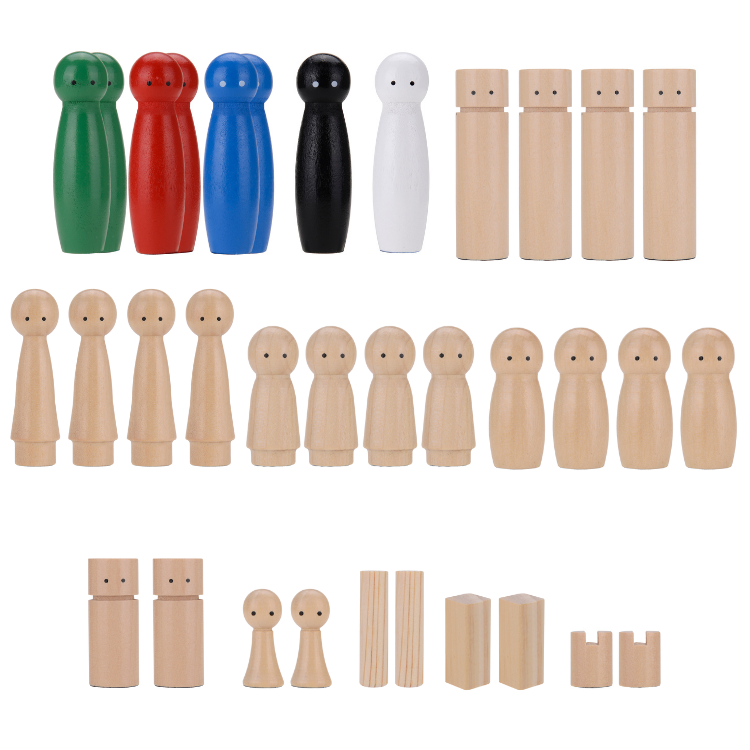
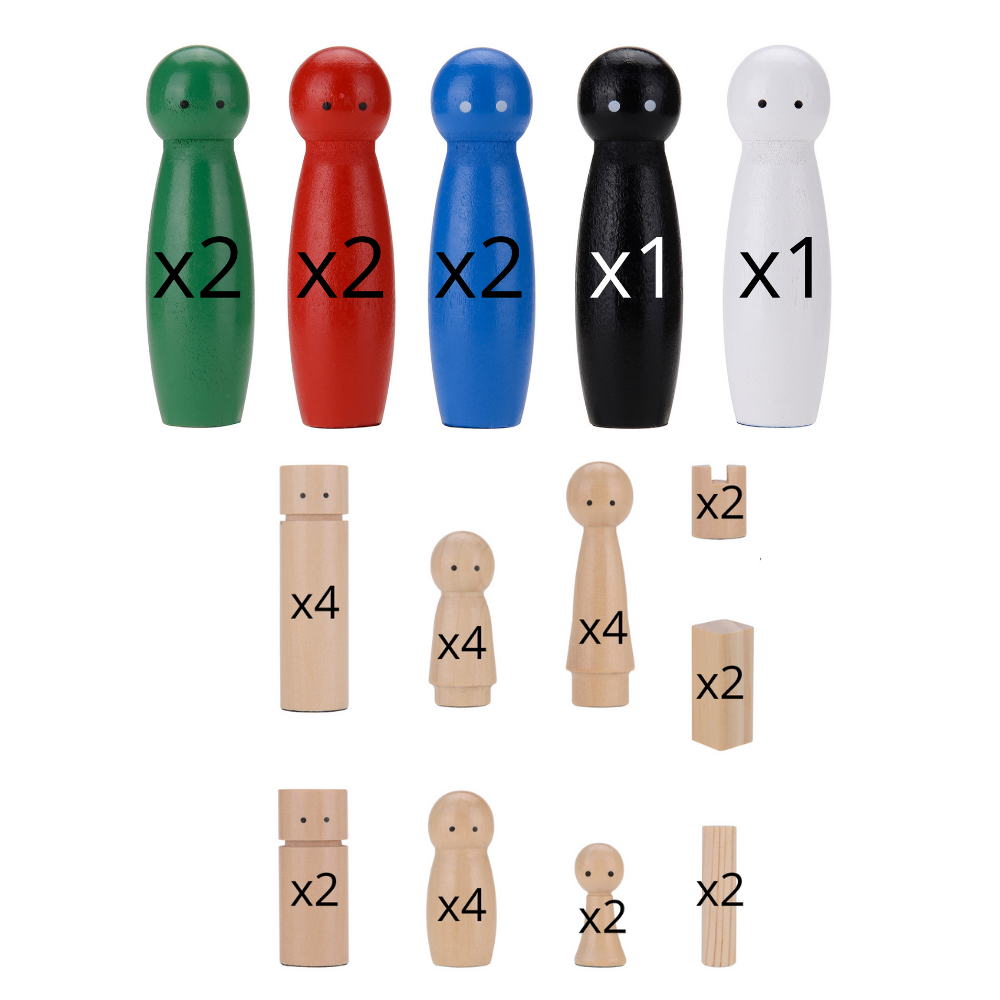
Various wooden figures
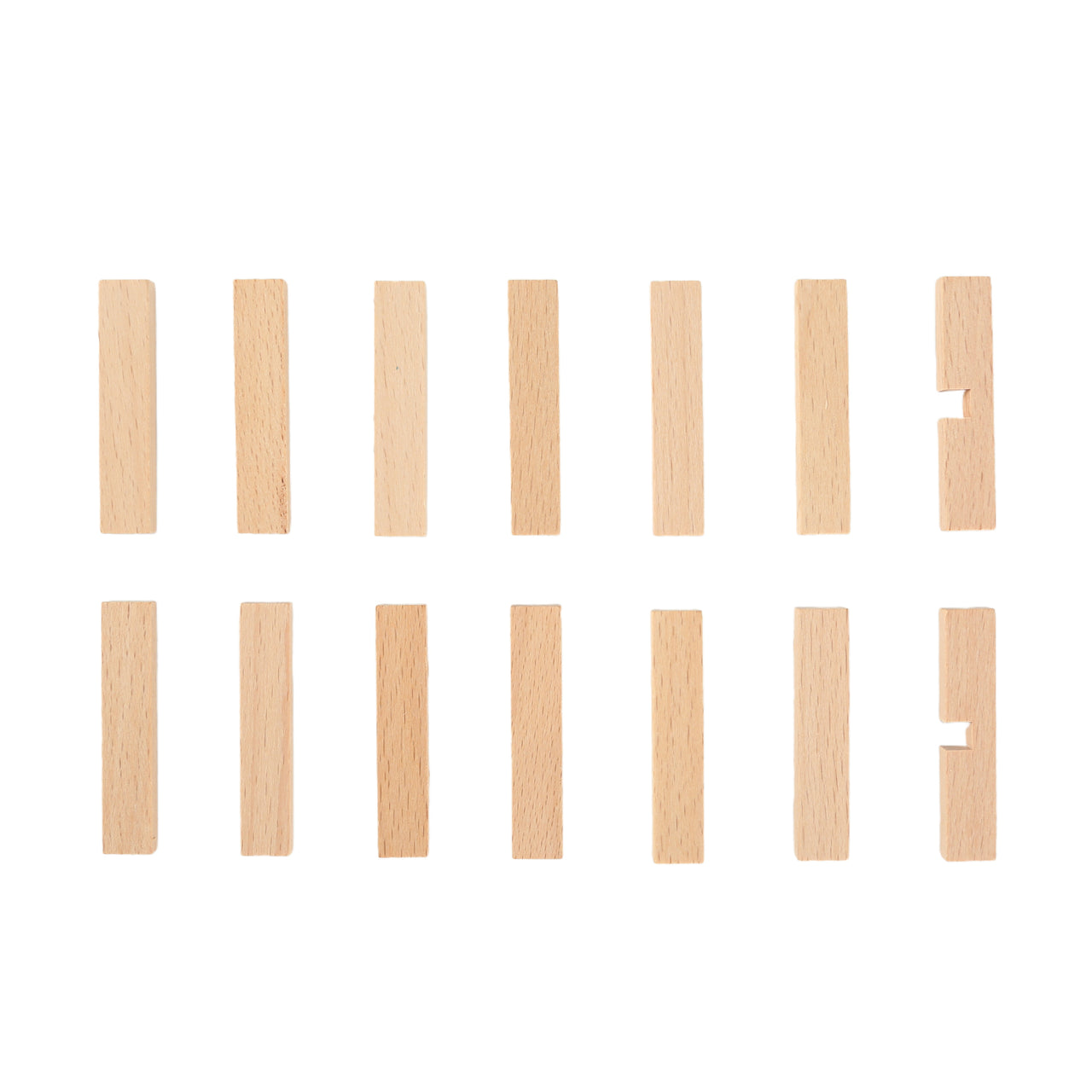
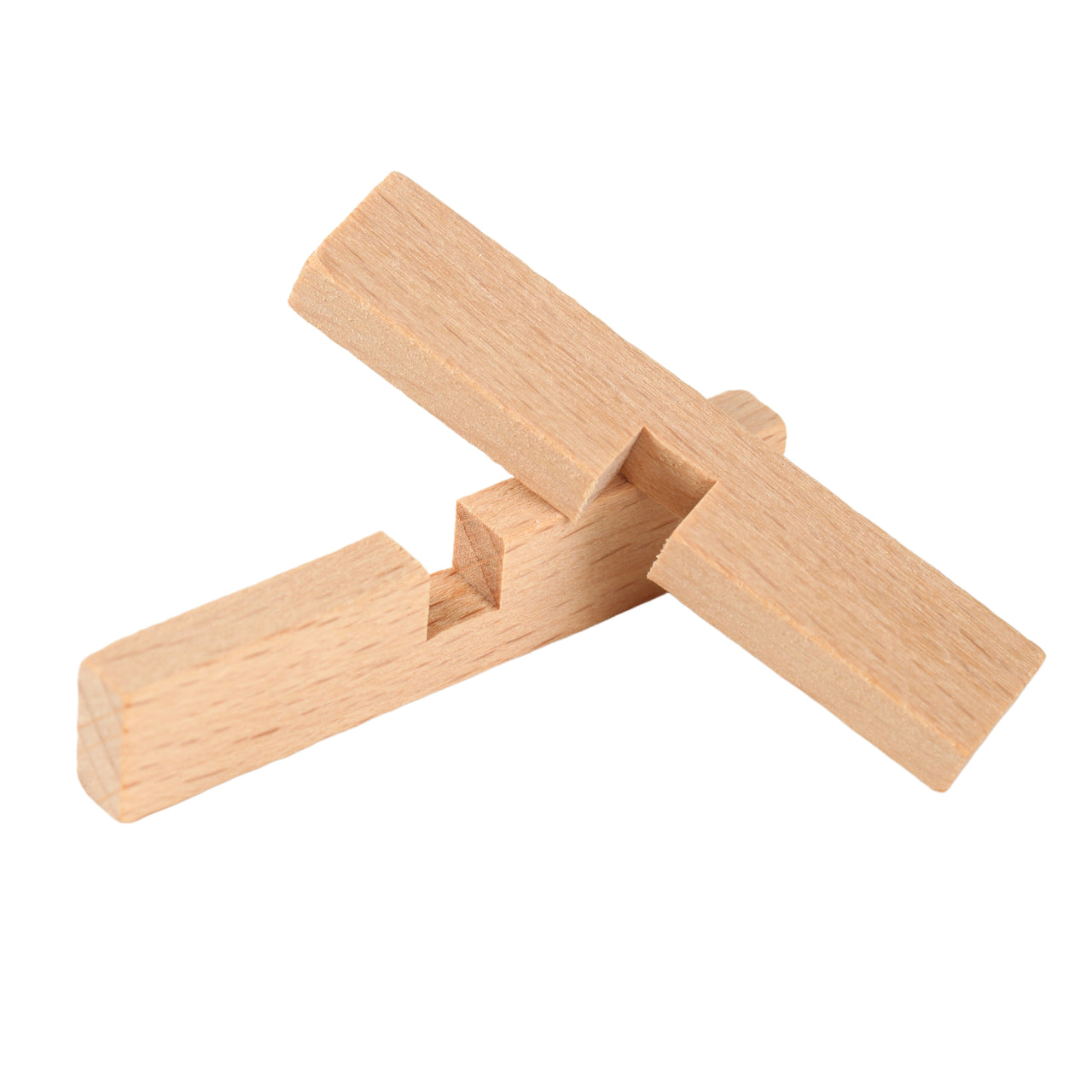
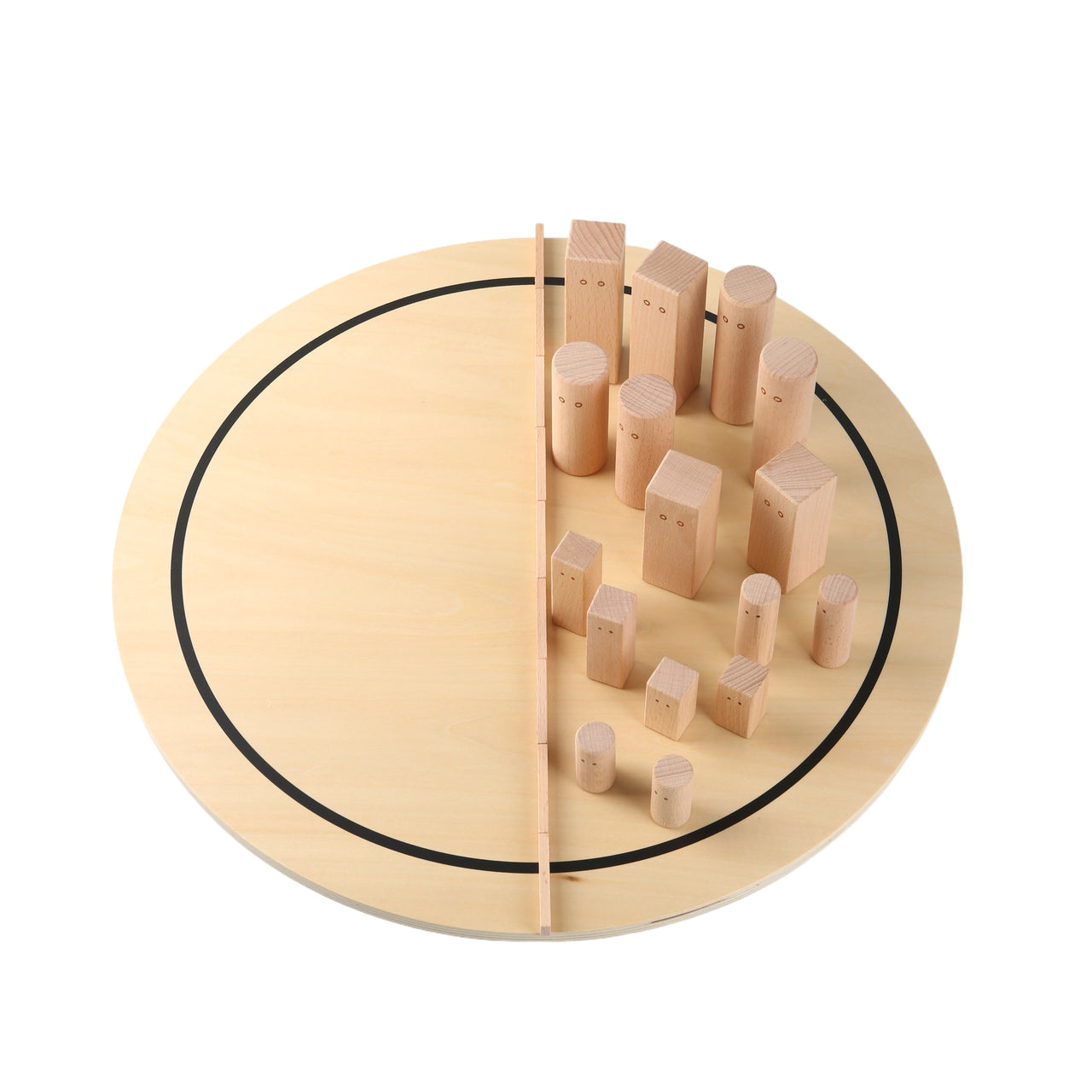
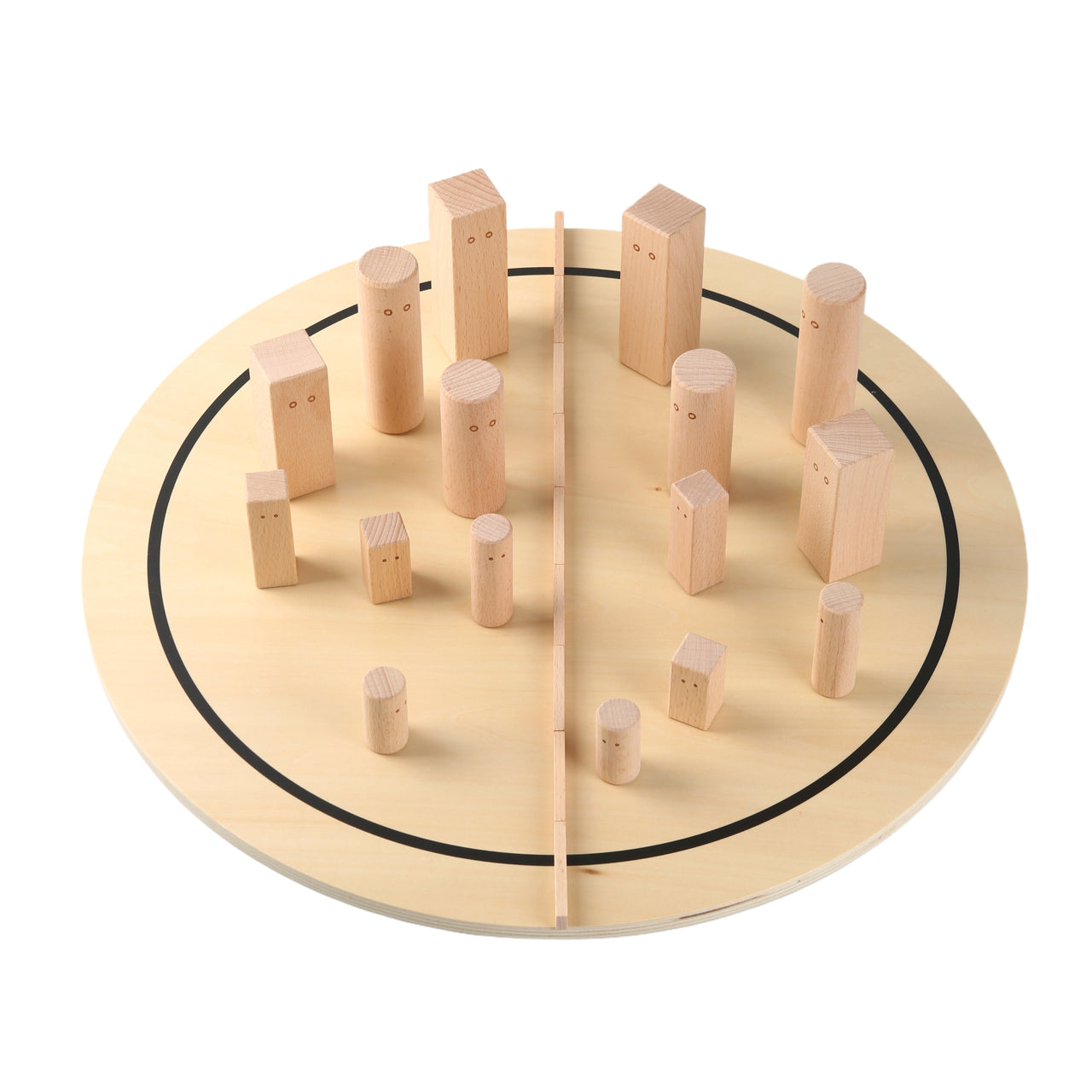
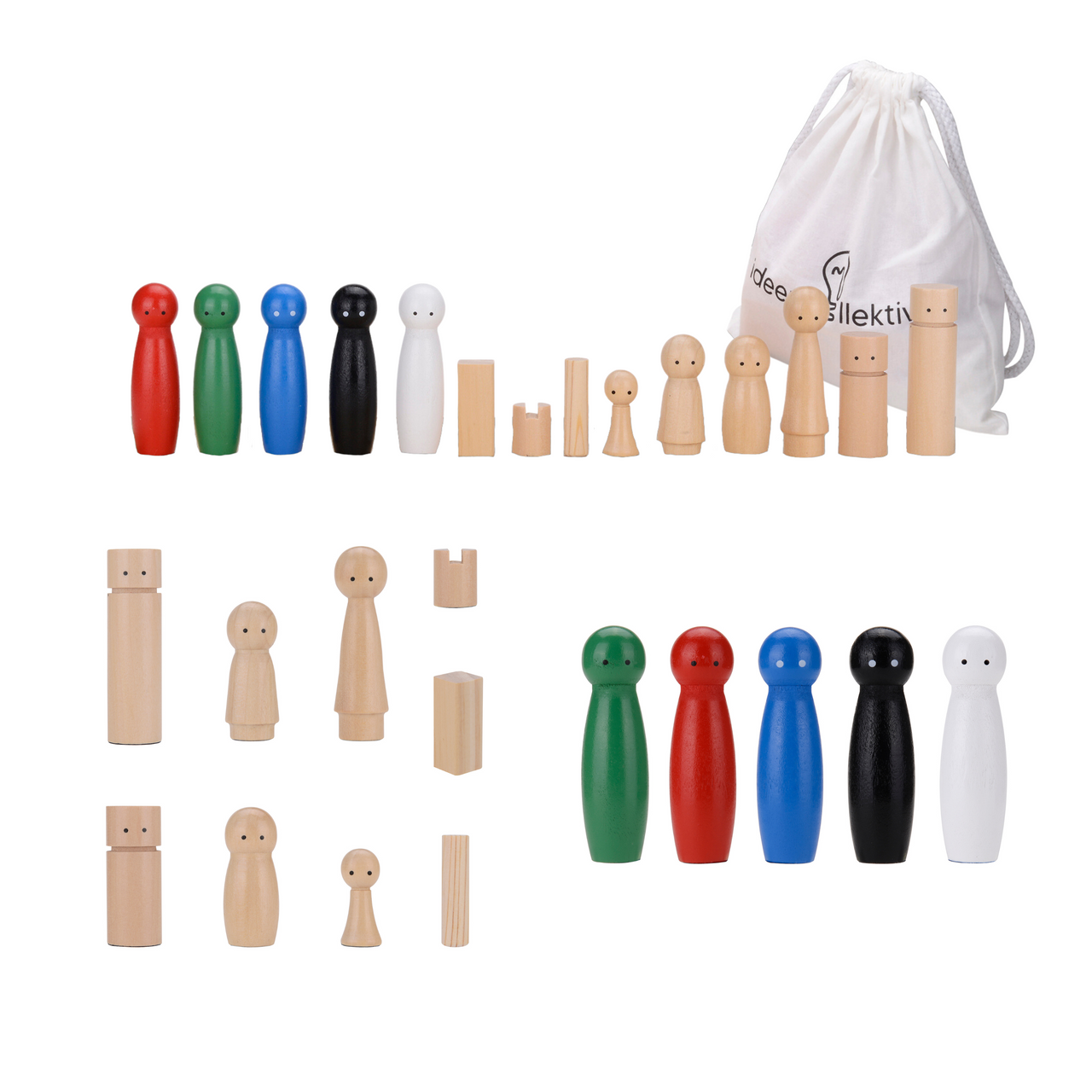
The various figures and elements were specially designed and made from solid wood. They can be used as desired and can represent different figures such as children, women, men, pets, objects, themes, tasks, problems, or projects. Some figures have eyes - so a direction of gaze or looking away can be depicted.
Different colors for even more possibilities
The different colors are perfect for representing various character types (phlegmatic, melancholic, choleric, and sanguine - here in white) or even genders or moods. The colorful figures also have eyes, allowing the depiction of a direction of gaze.





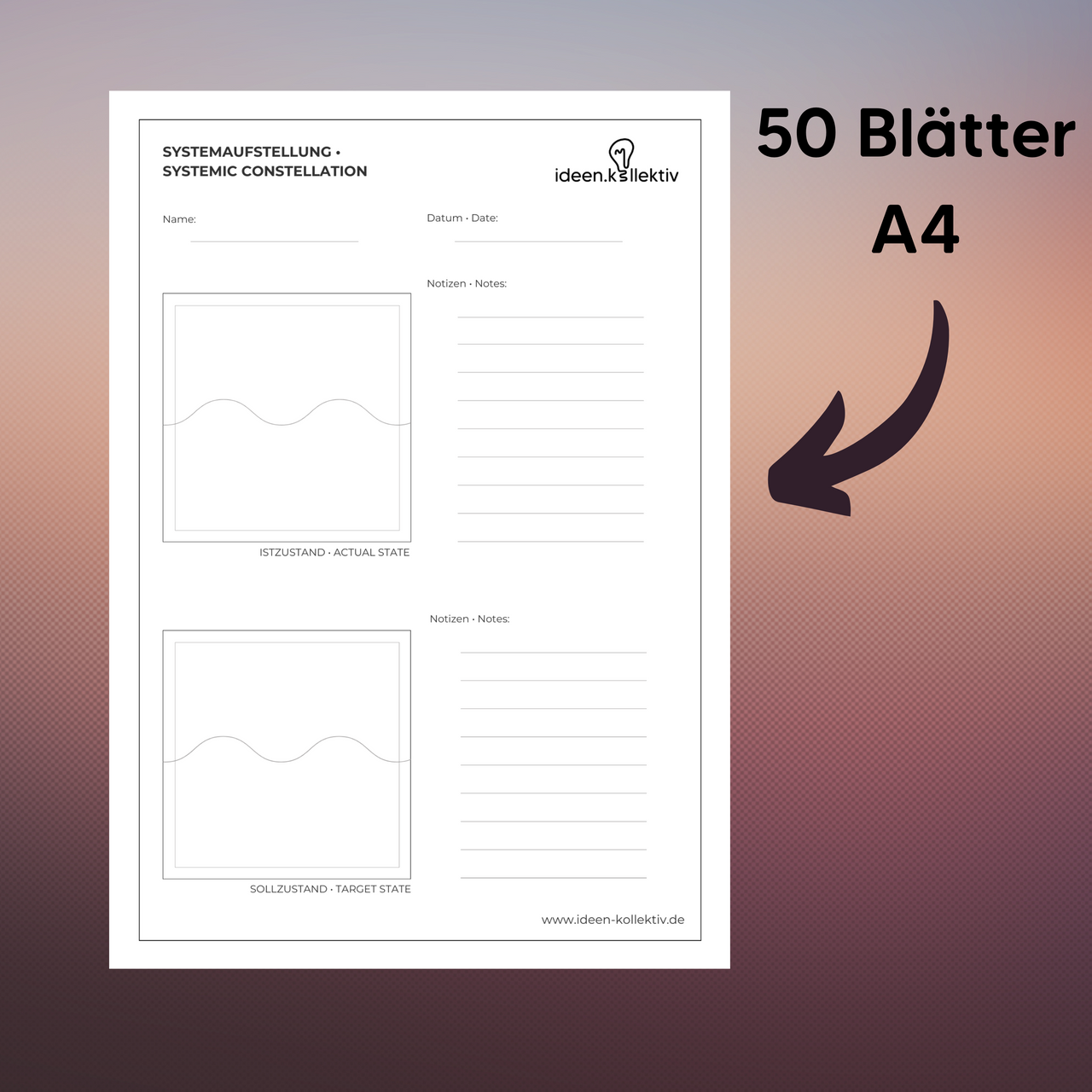
System Board – Documentation Pad (50 Sheets, A4)
€8,95 EUR
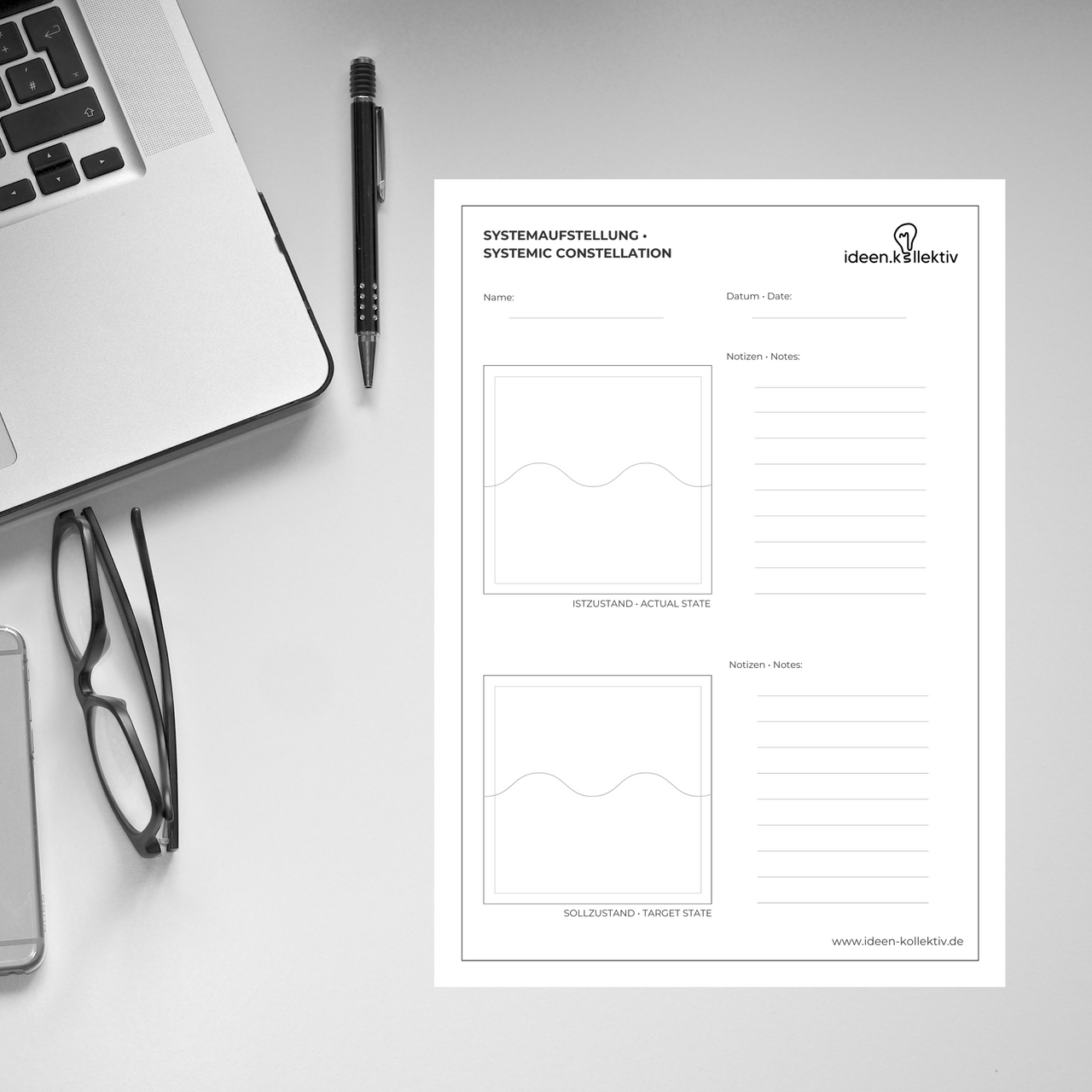
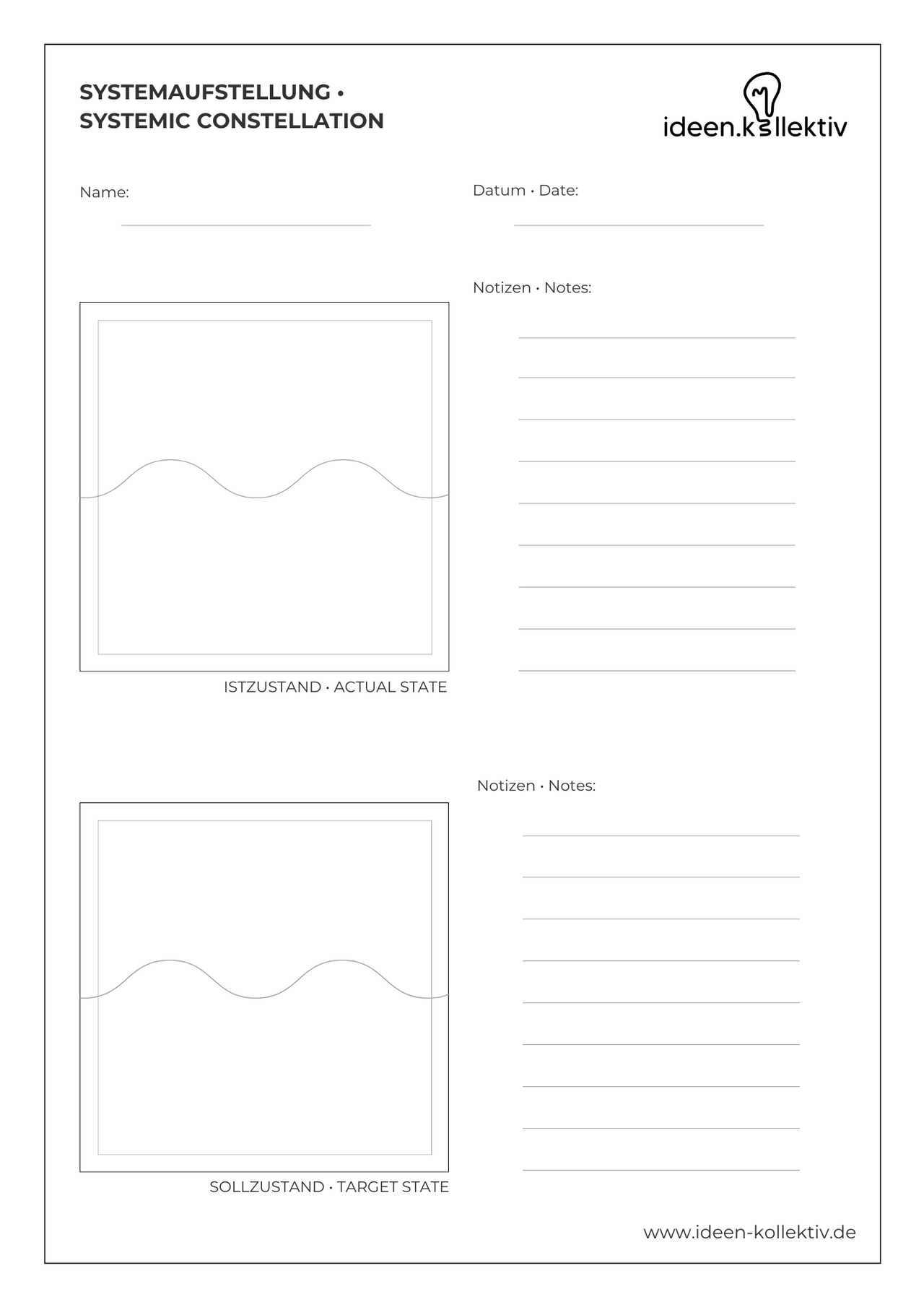
The system board documentation block
Record the setup
To better document progress with a client, this documentation block is recommended for the system board. It provides the necessary structure to work professionally. Two system boards are shown on the template: the current state and the target state.
#supportyourlocal
The product is produced climate-neutrally in Germany. Designed in Munich.


System Board Pro Figures (with Card Slot and Cards)
€57,95 EUR
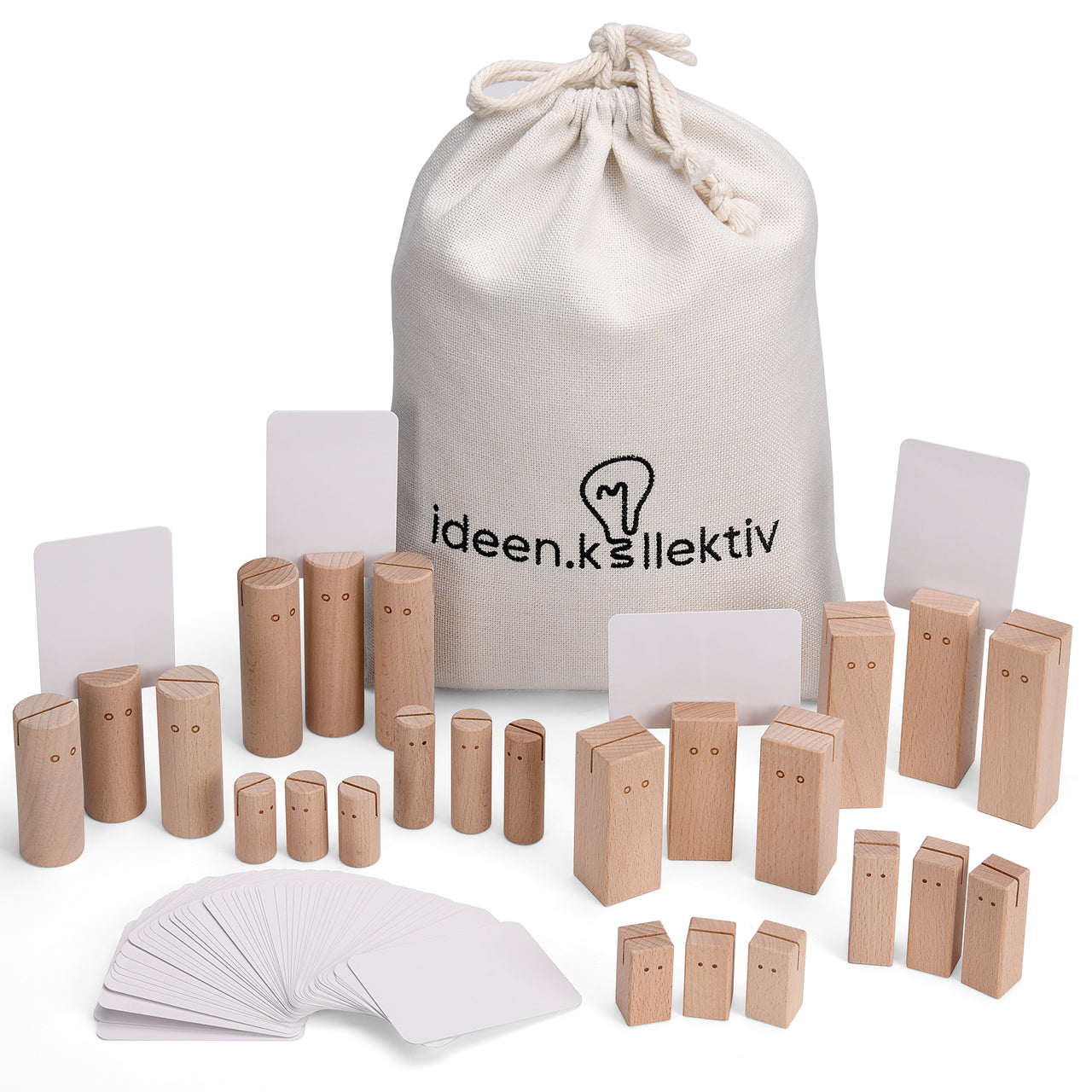
About the Systembrett Pro figures with card slots and cards
Where can the Systembrett Pro figures with card slots be used?
Whether in professional or private coaching, therapeutic or business environments: The Systembrett Pro figures with card slots are perfectly suited for systemic coaching, family constellations, organizational constellations, supervision, psychotherapy, situation reenactments or planning, couples counseling, as well as for solo externalizing and brainstorming.
A versatile tool for your systemic work!
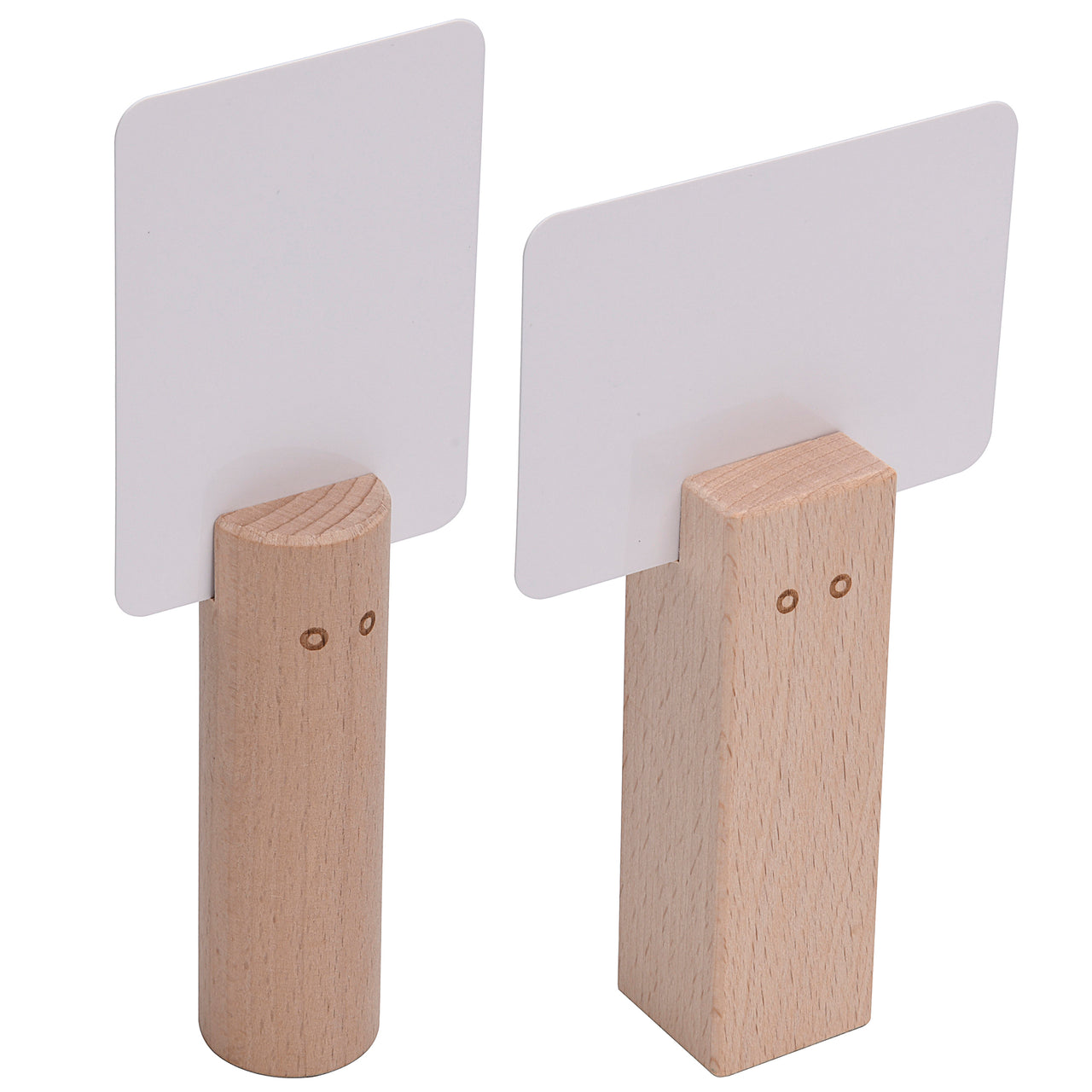
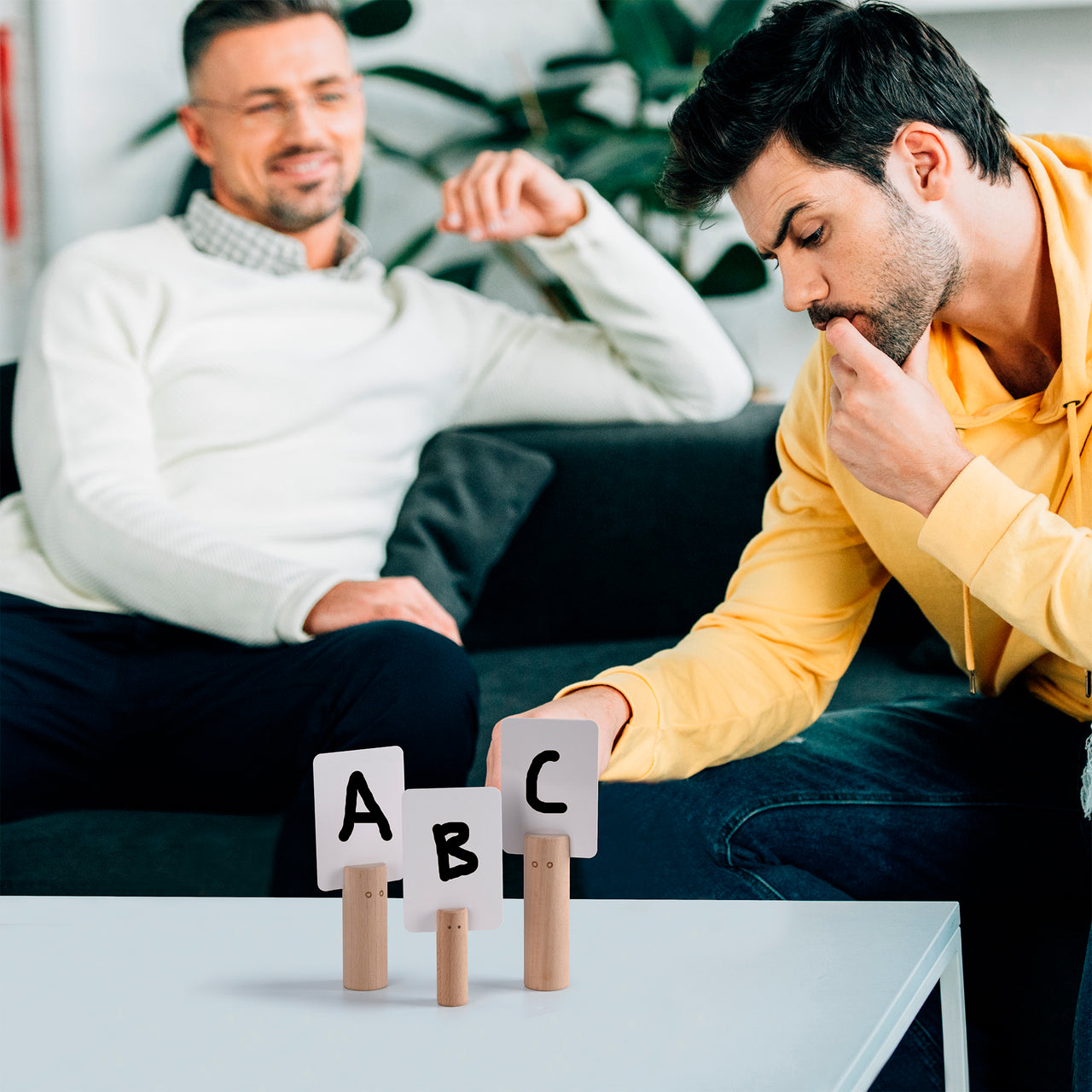
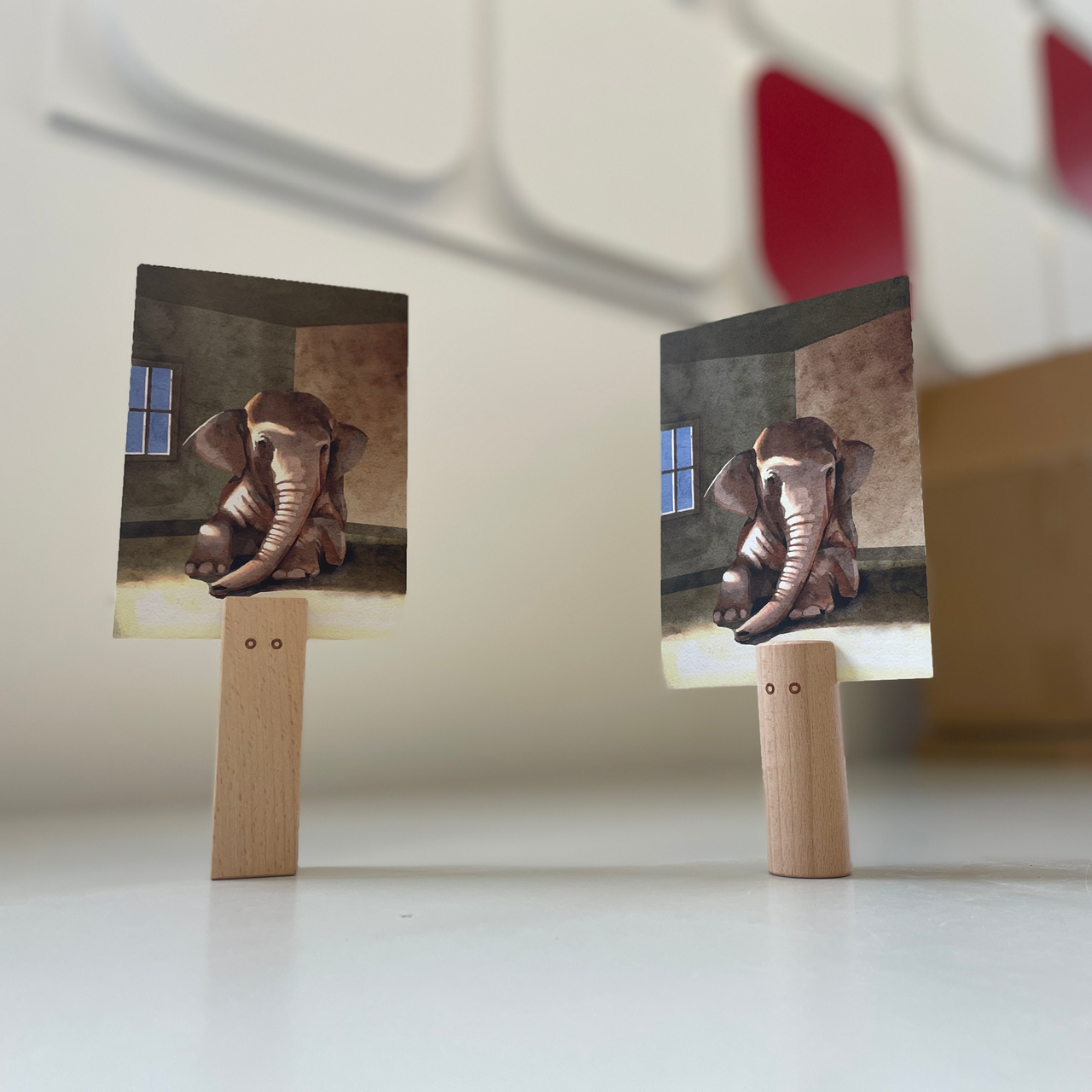
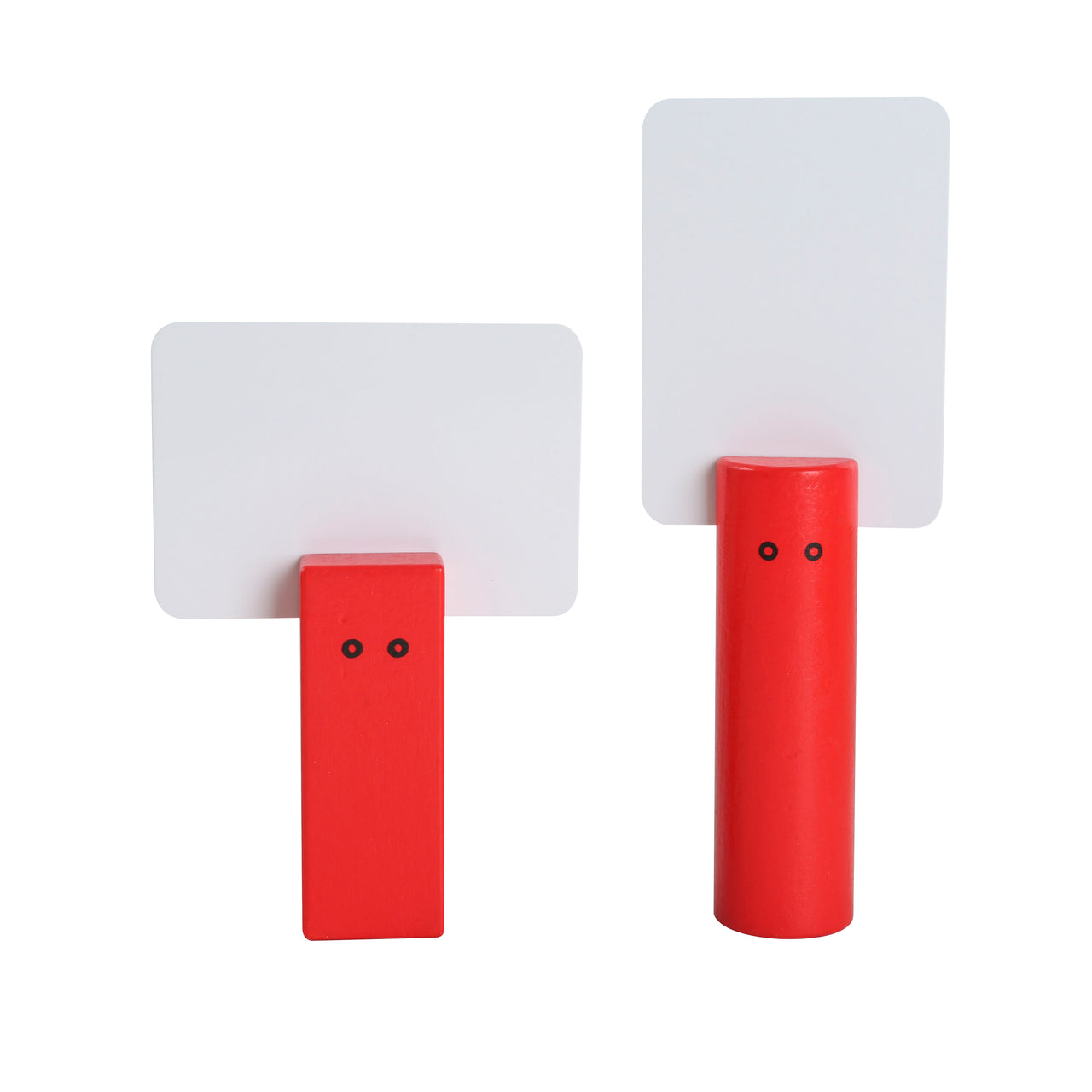
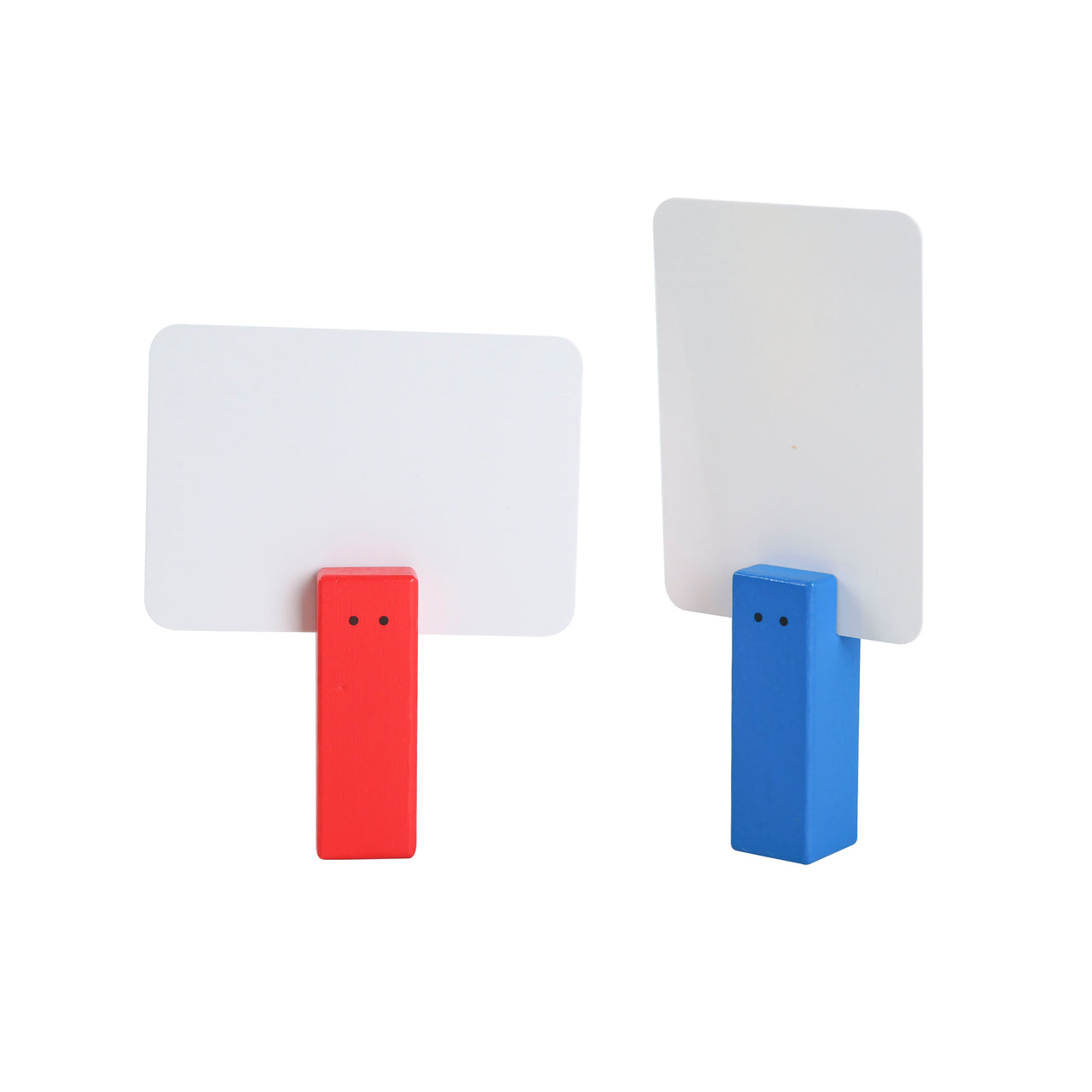
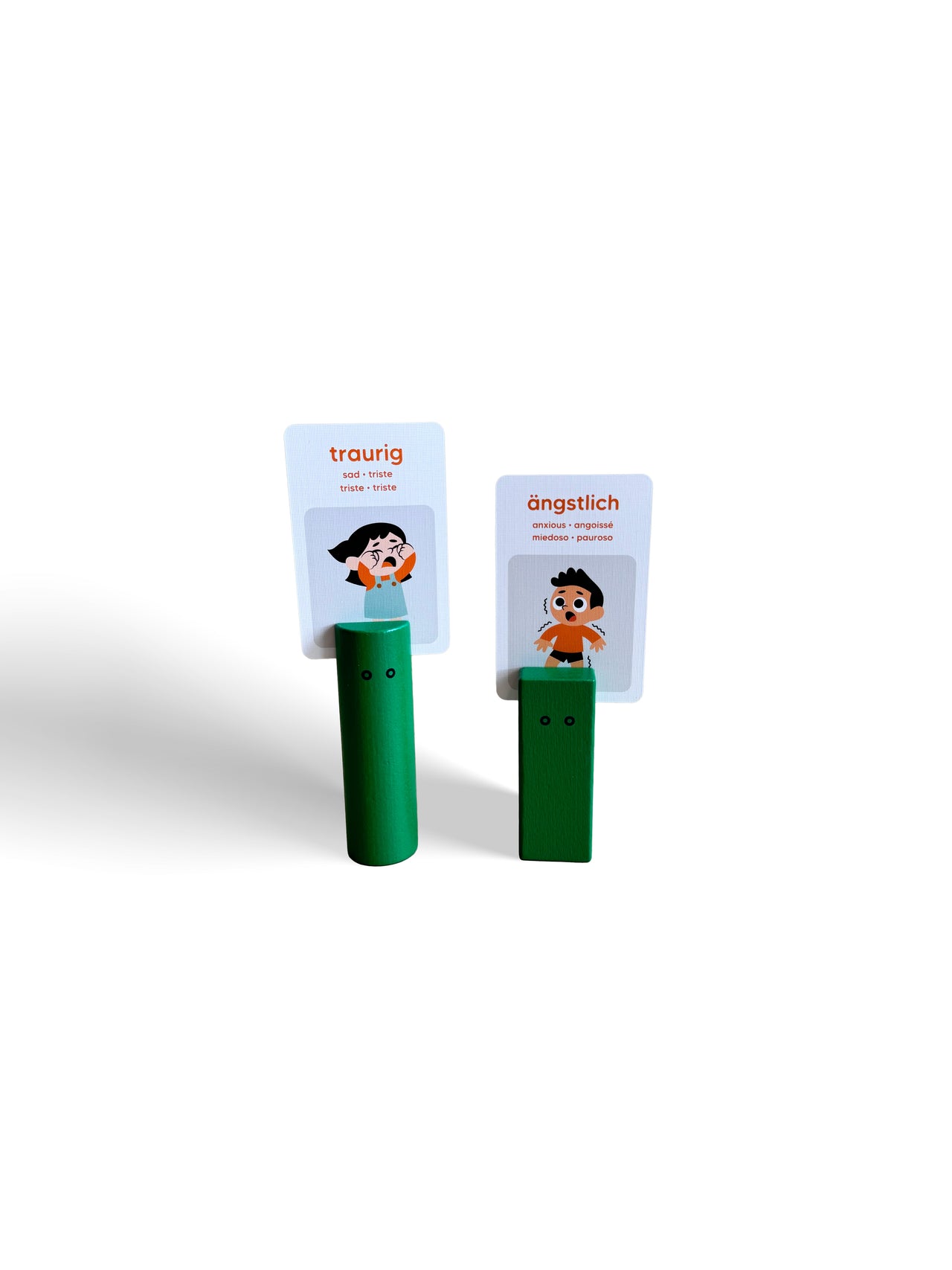
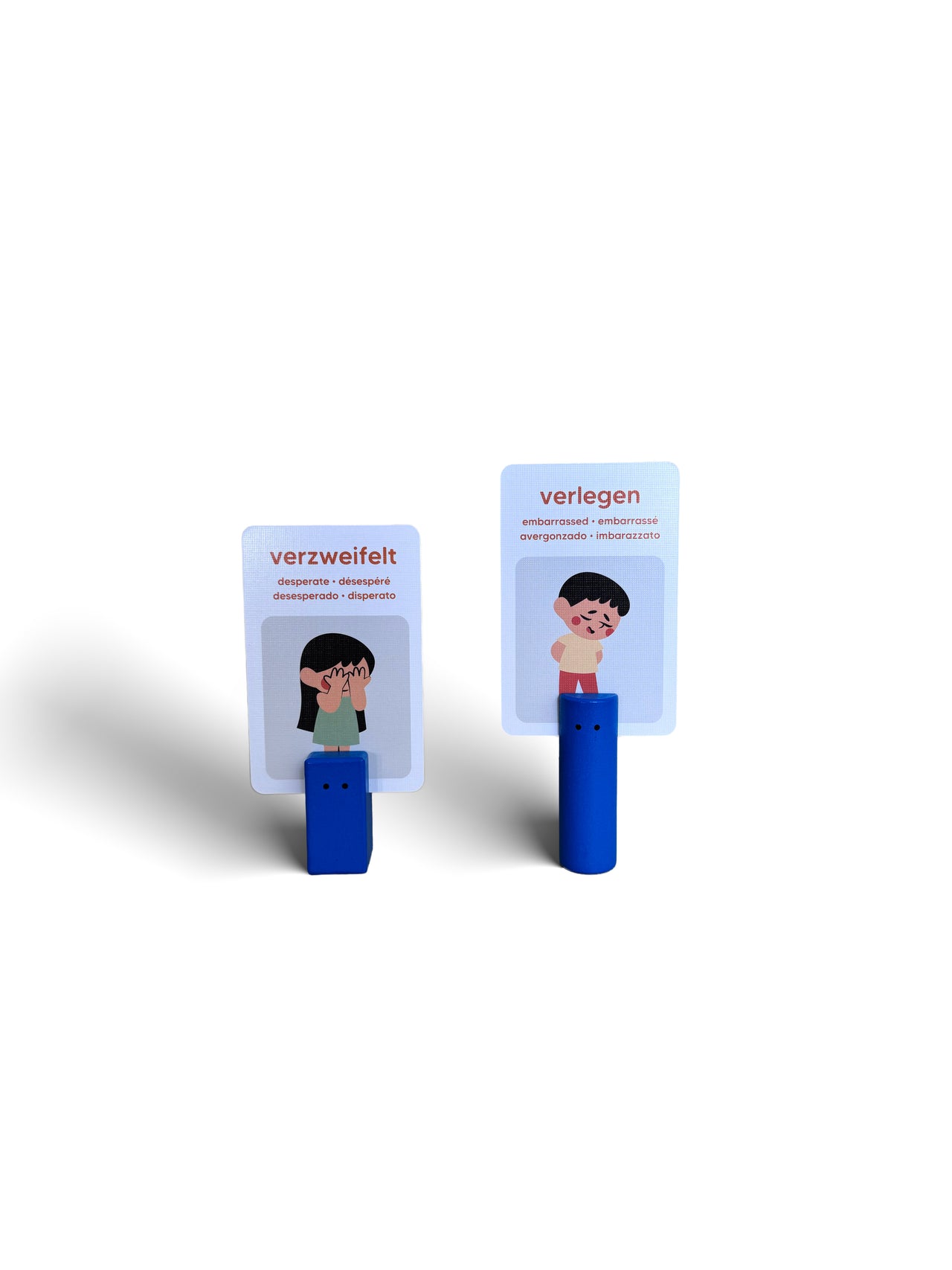
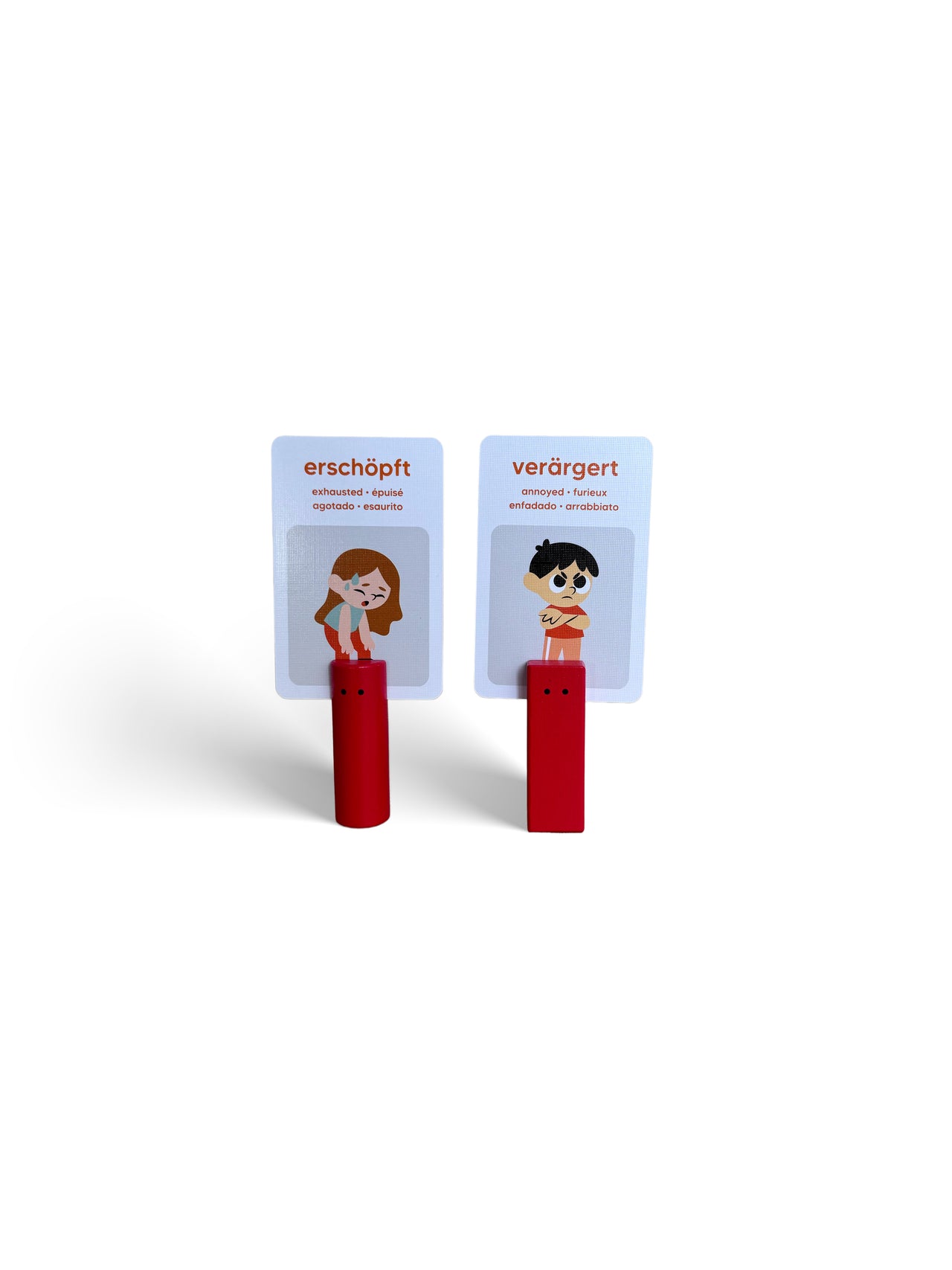
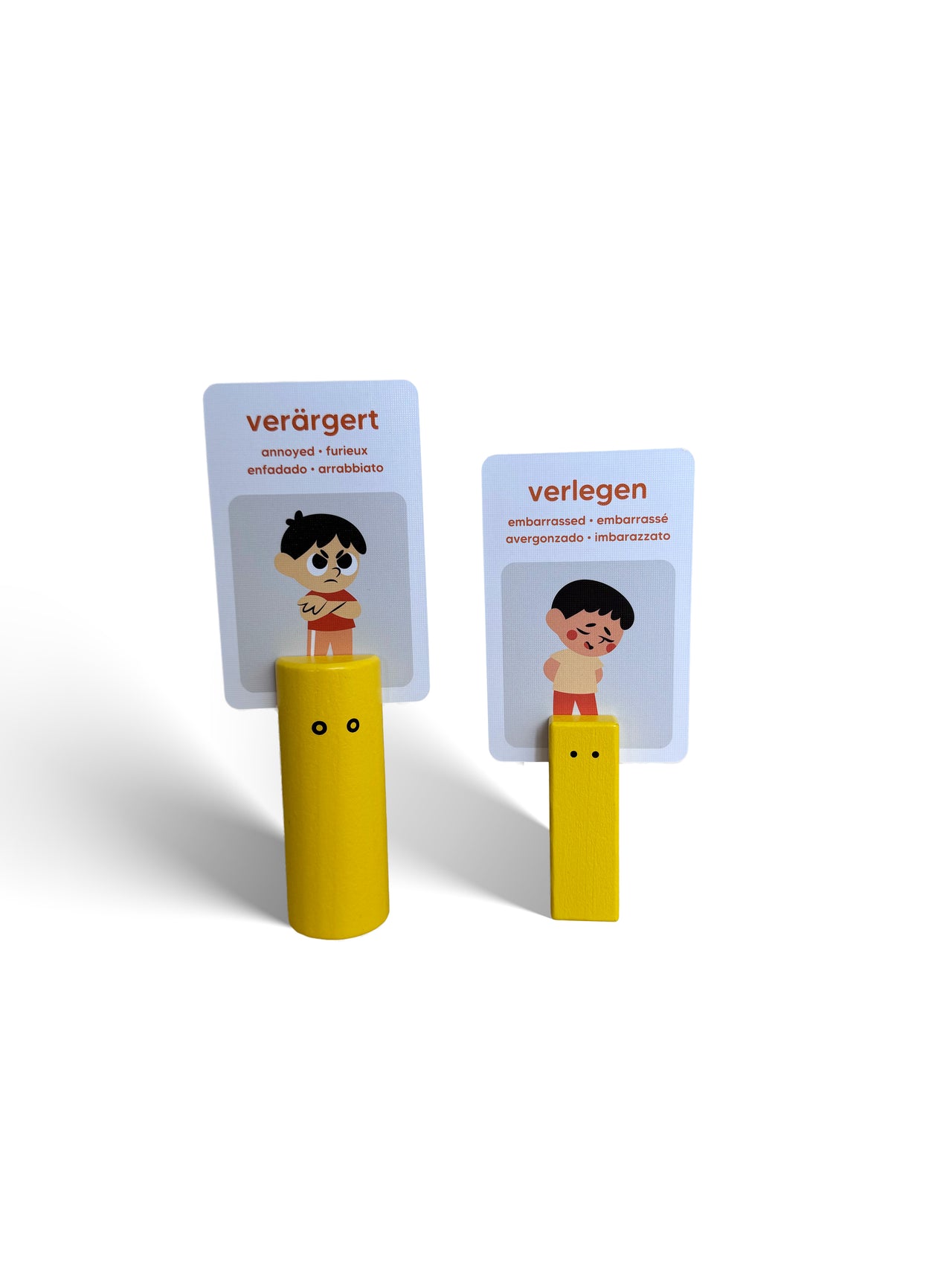
The systemic figures with card slots offer many ways to externalize a situation. The included cards can be written on and placed on the figures. Alternatively, photos or coaching cards can also be placed on the figures. A versatile and indispensable tool for systemic work!
Different shapes for even more possibilities!
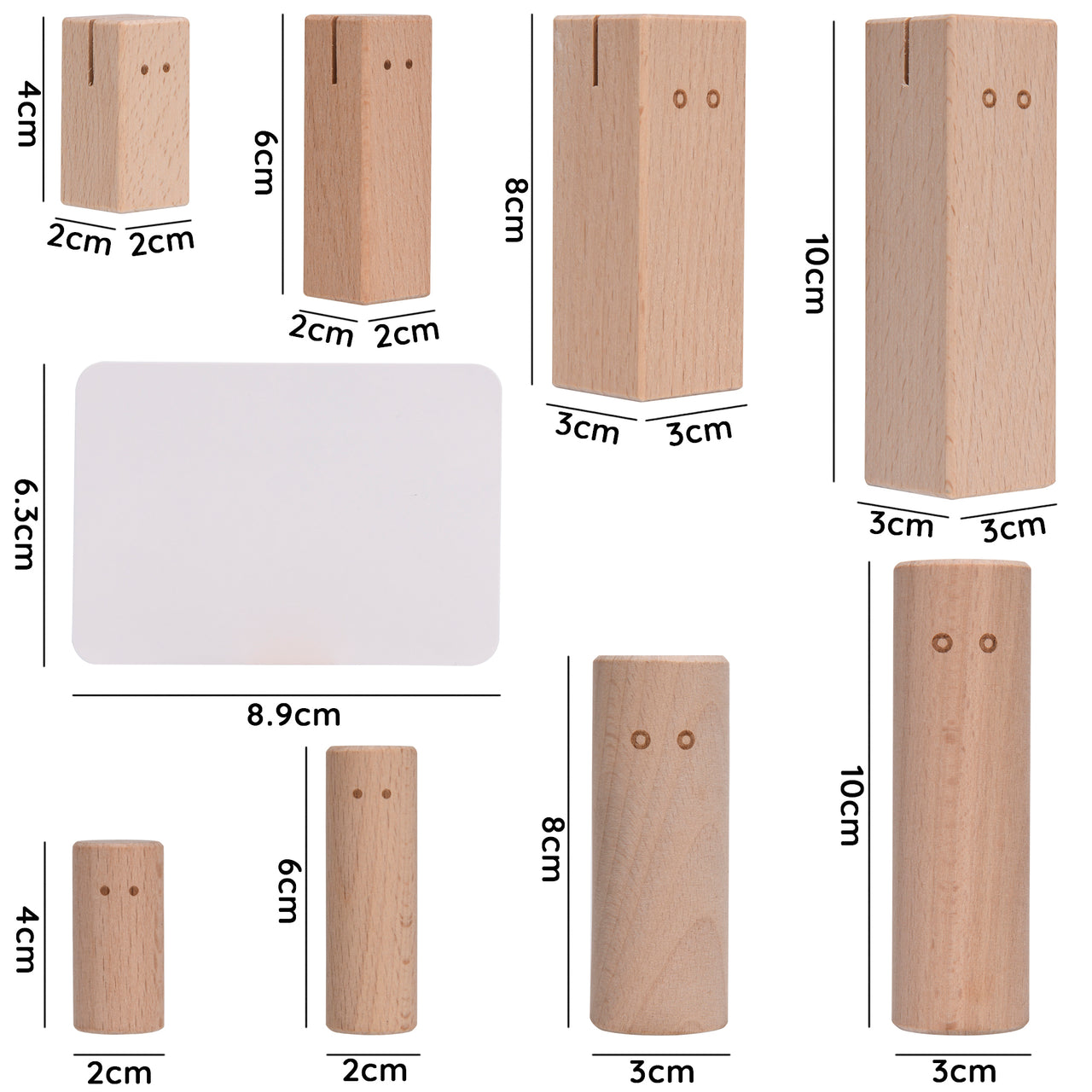
The different figures were specially designed and made from solid wood. They can be used as desired and can represent various figures such as children, women, men, pets, objects, themes, tasks, problems, or projects. The 8 types of figures (a total of 24 pcs.) have eyes – allowing for the depiction of a gaze direction or looking away. The solid wood figures are especially suitable for those who value a natural look.

System Board Pro Figures (Colorful, with Card Slot and Cards)
€61,95 EUR
About the colorful card slot figures
Colorful variety meets thoughtful design
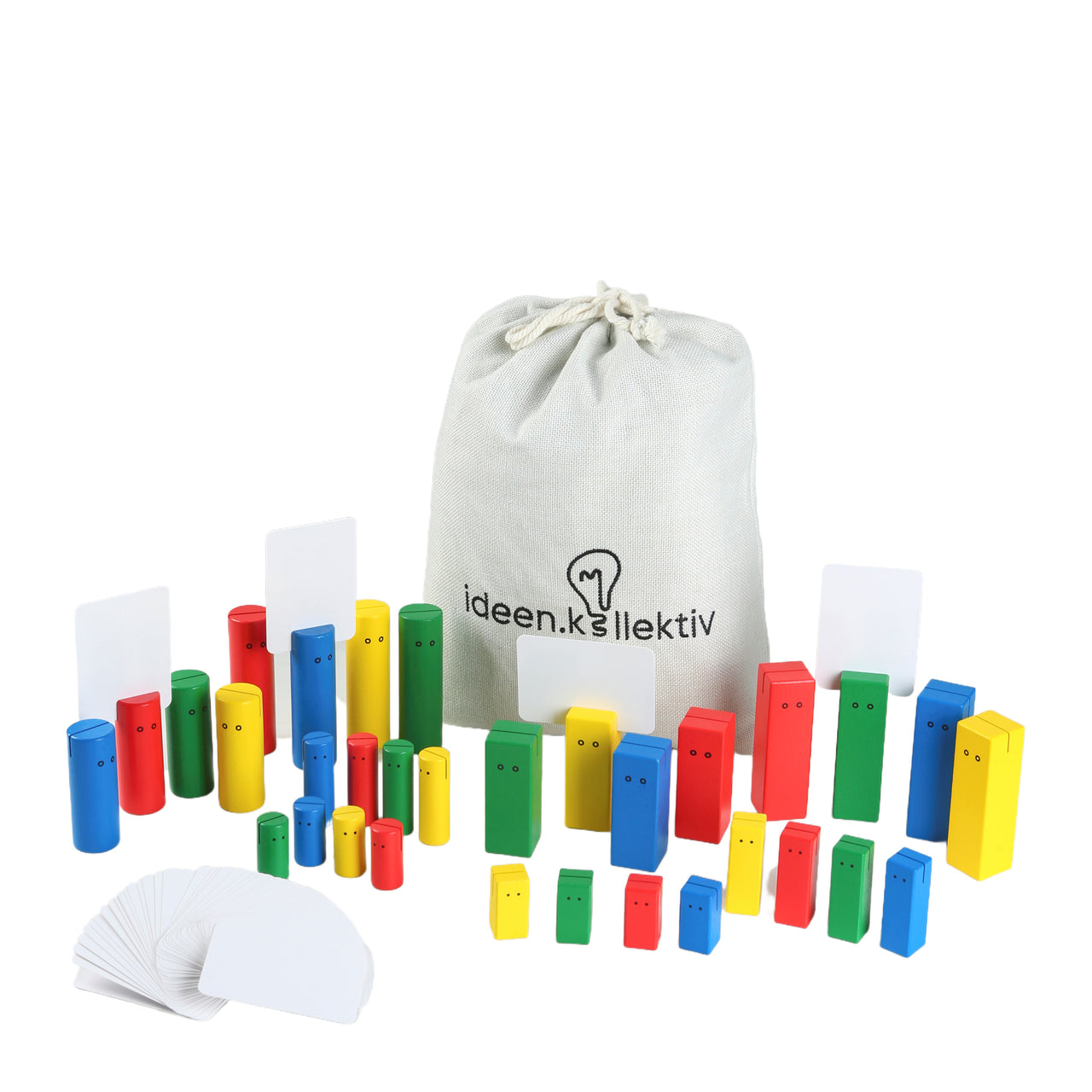
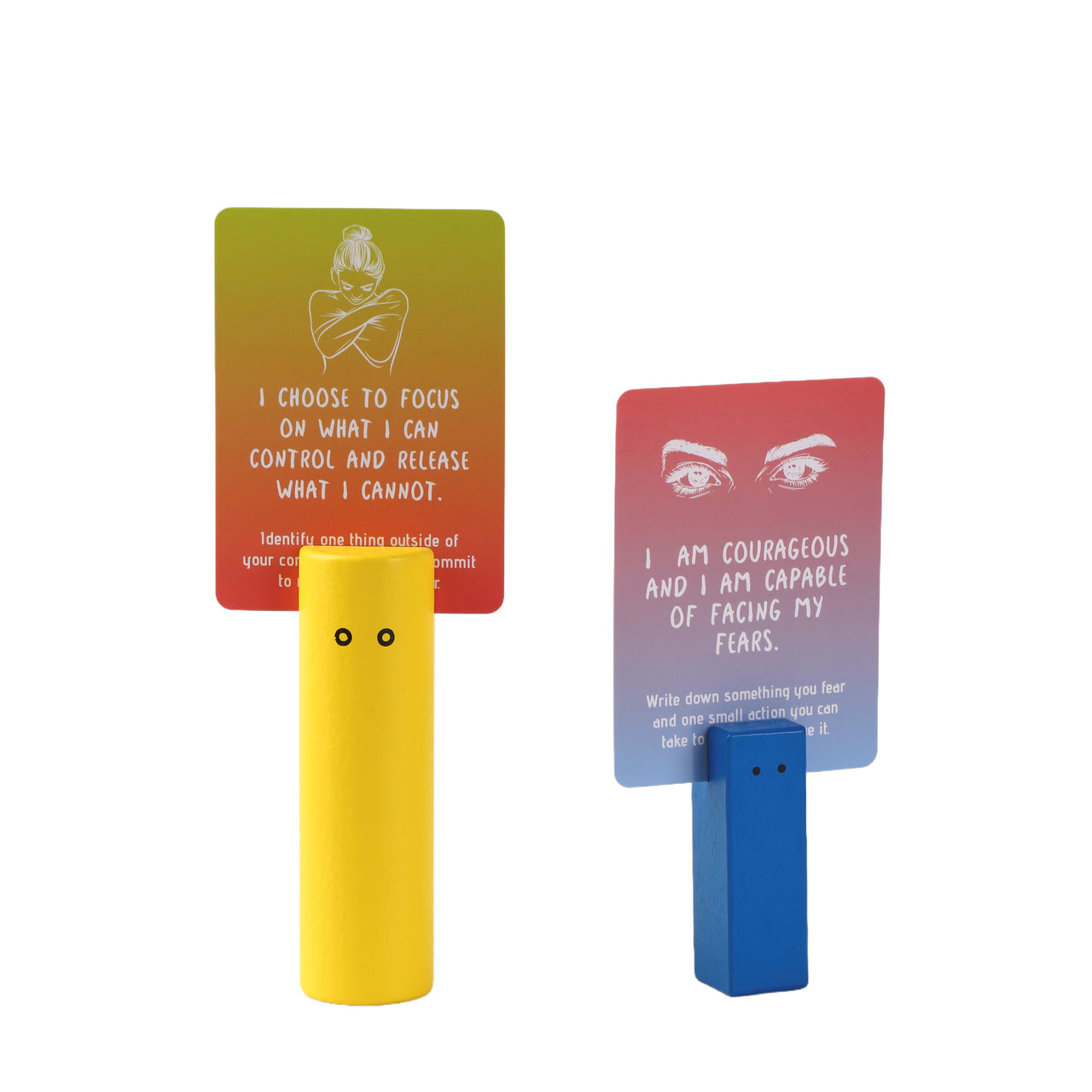
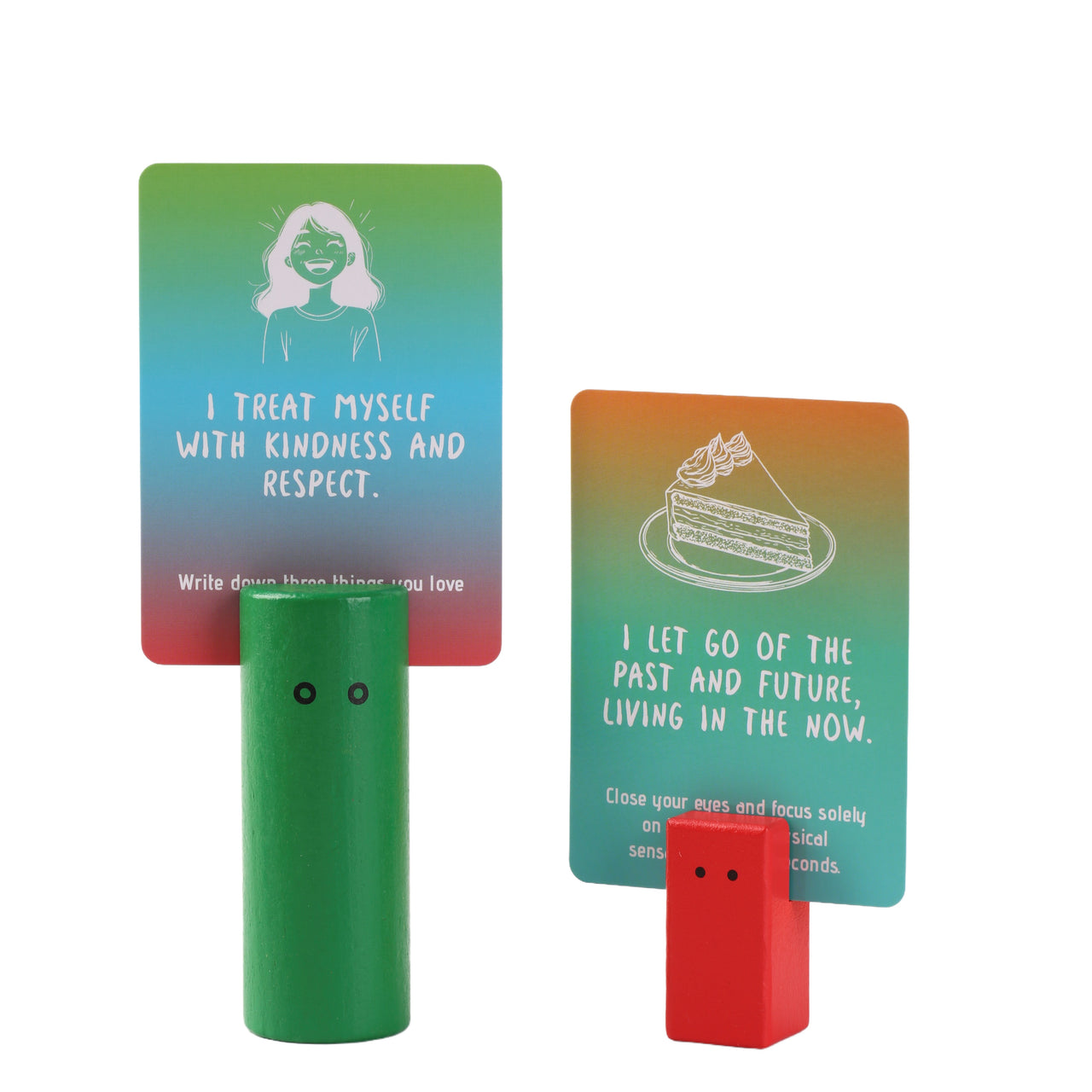
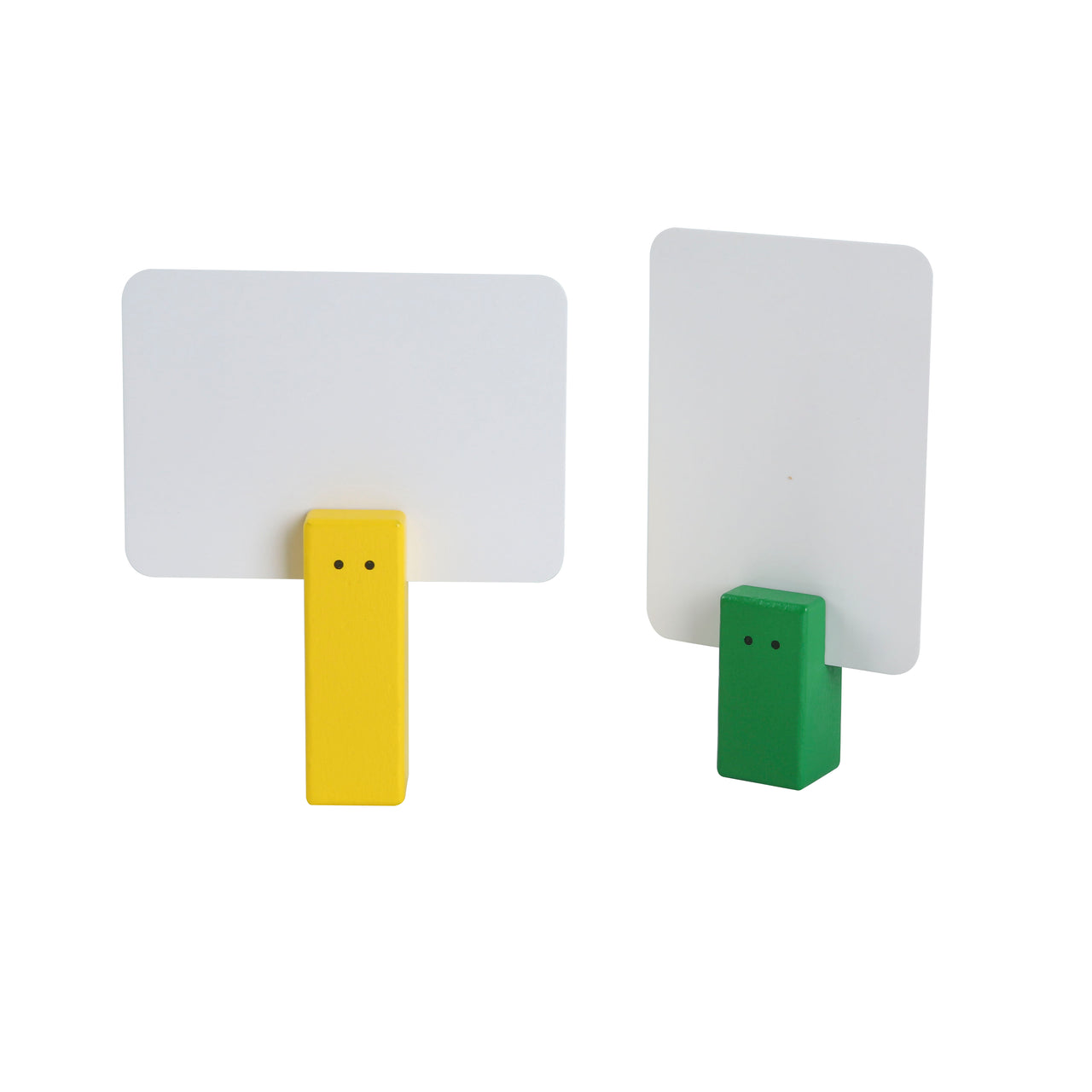
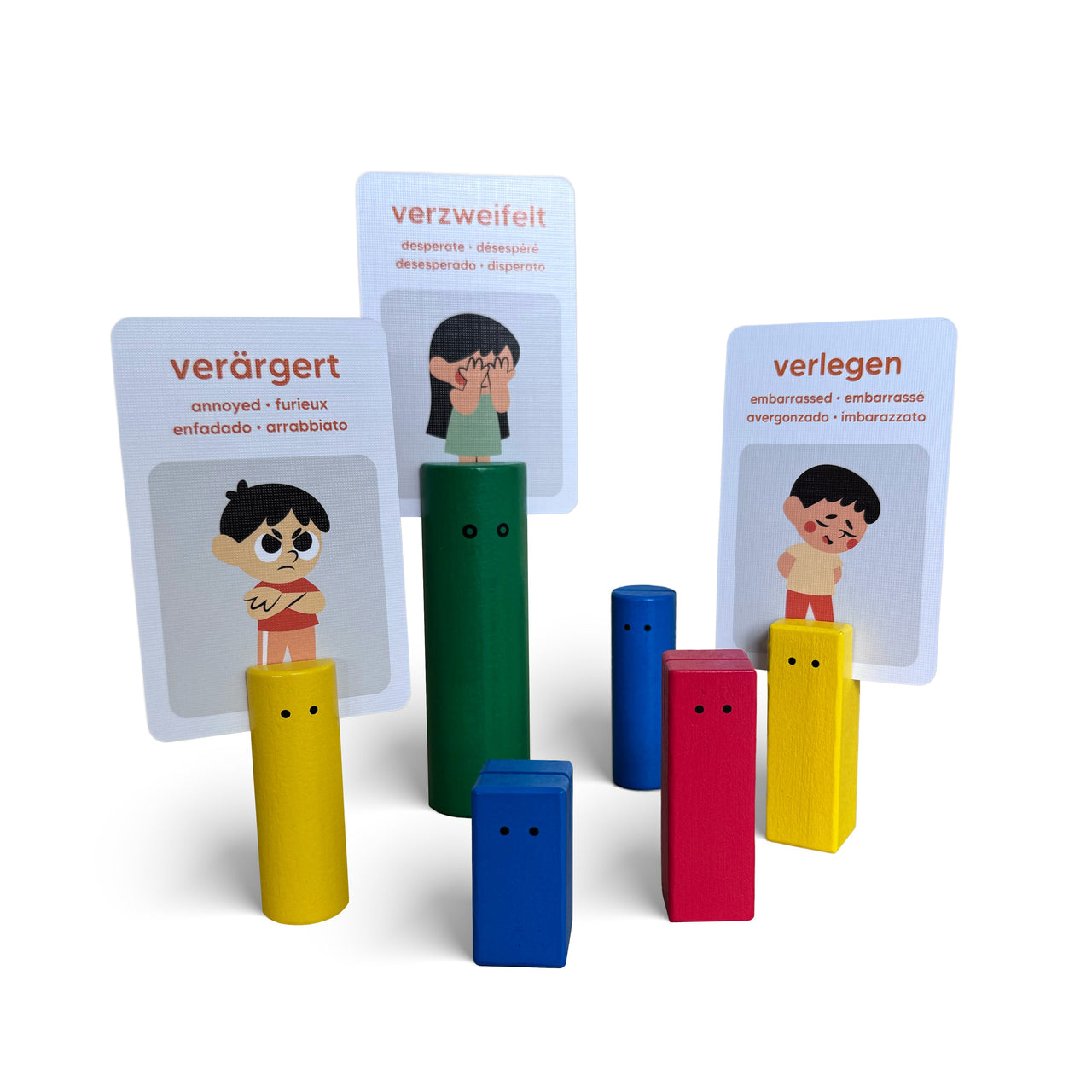
The set combines the advantages of the Pro figures with the possibilities of color differentiation. Each figure is made of solid beech wood, painted in color, and comes in different shapes and sizes. This allows men, women, children, or neutral roles to be clearly distinguished. The combination of four colors and integrated card slot creates countless display options – from personality types to relationship dynamics to team structures.
4 colors – 4 personality types
The color scheme follows the proven four-color model: red, yellow, green, and blue represent different personality types and communication styles. This allows dynamics, roles, and interactions within the system to be quickly visualized. Especially in coaching and team processes, this promotes self-reflection and makes connections intuitively understandable.
With card slot for individual assignments
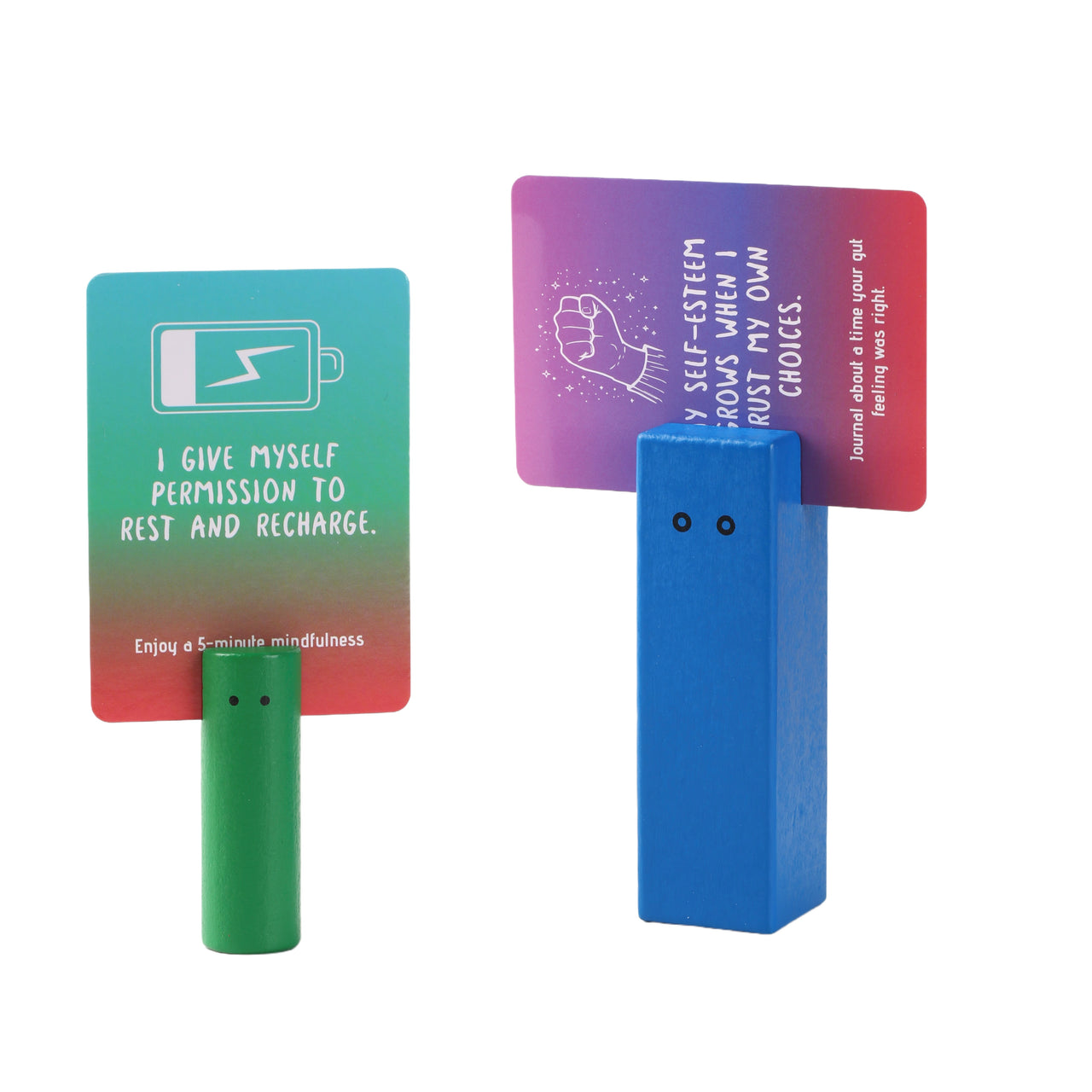
Thanks to the integrated card slot, the included writable cards can be directly attached to the figures – ideal for names, roles, feelings, or values. Alternatively, photos or coaching cards can be used to make people or topics visible. This makes constellations even more personal, clear, and vivid.
Countless applications in coaching & therapy
Whether in systemic coaching, family or organizational constellations, supervision, or psychotherapy – the figures help to make structures and relationships visible. They promote understanding of complex dynamics and enable new perspectives to be taken. They are also a versatile, professional tool for training, seminars, or self-reflection.


System Board Bundle
€62,90 EUR
The system board bundle
Dividable system board with border line
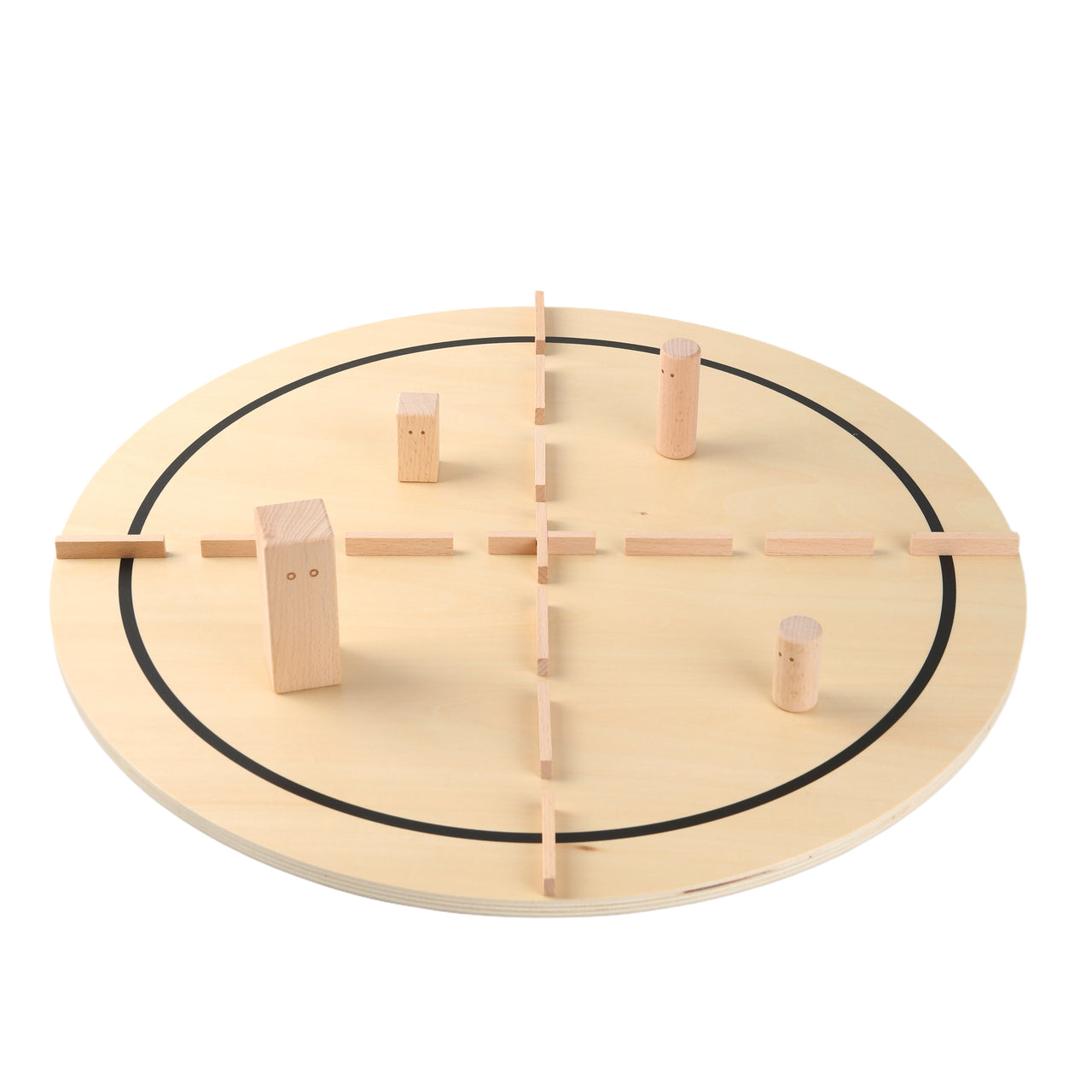
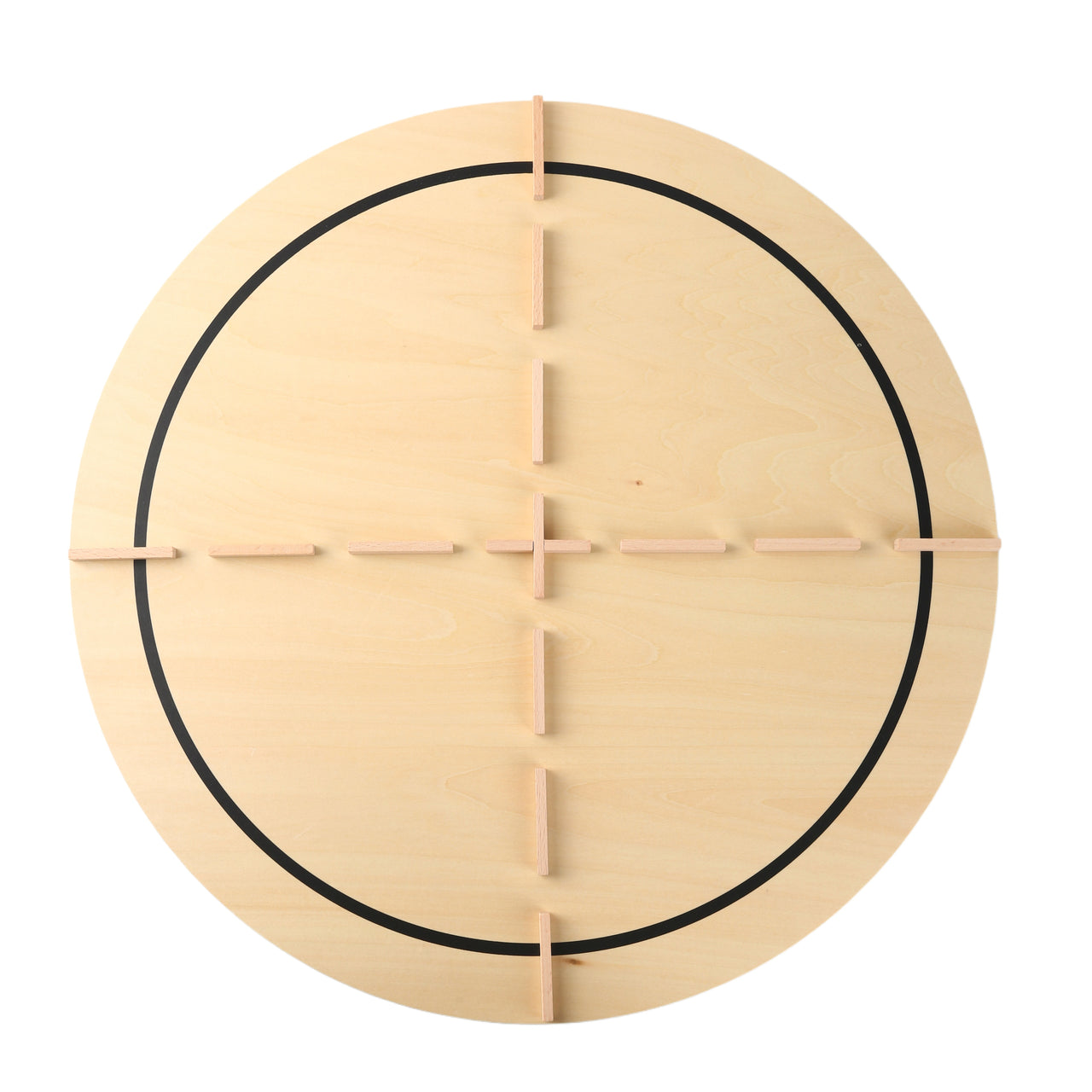
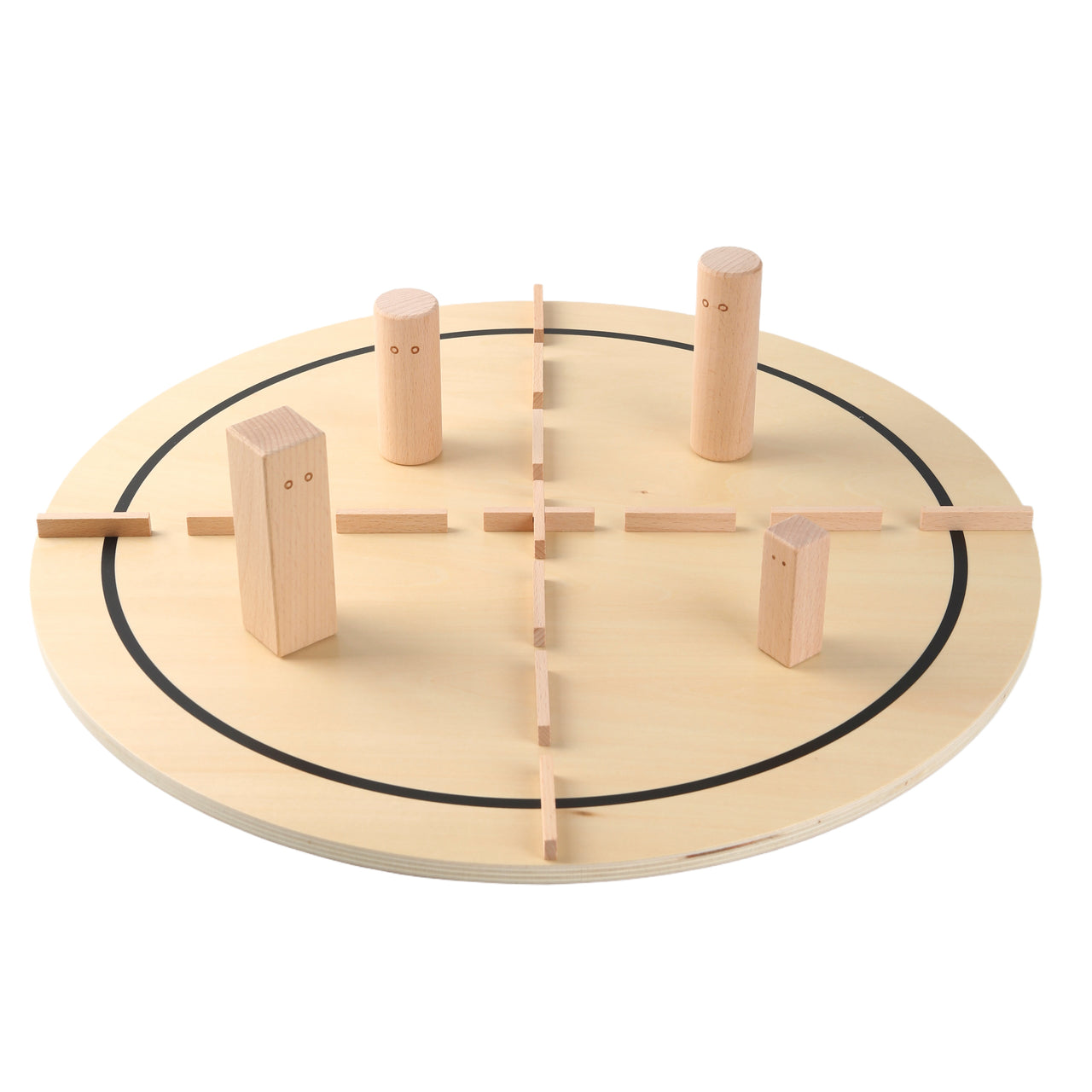
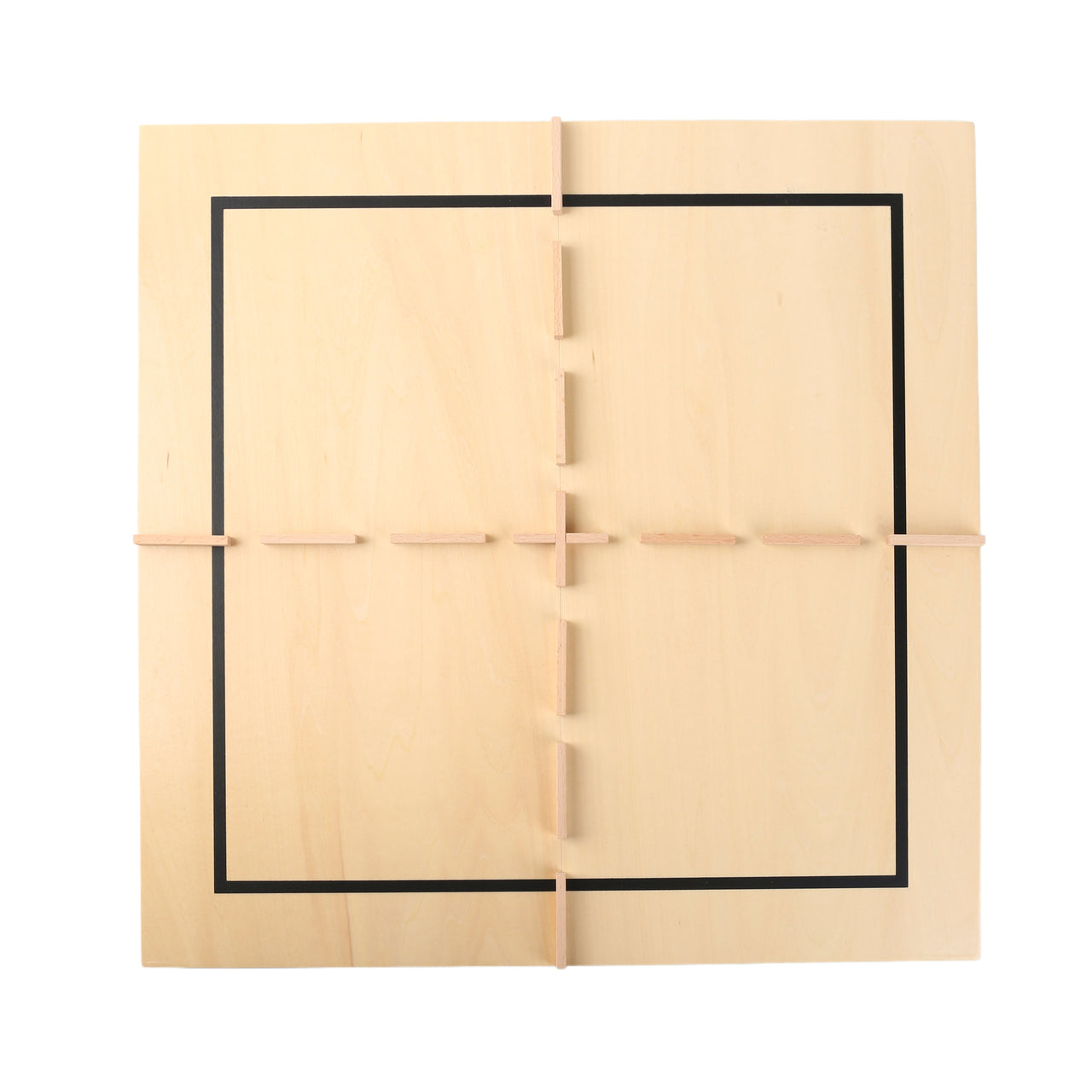
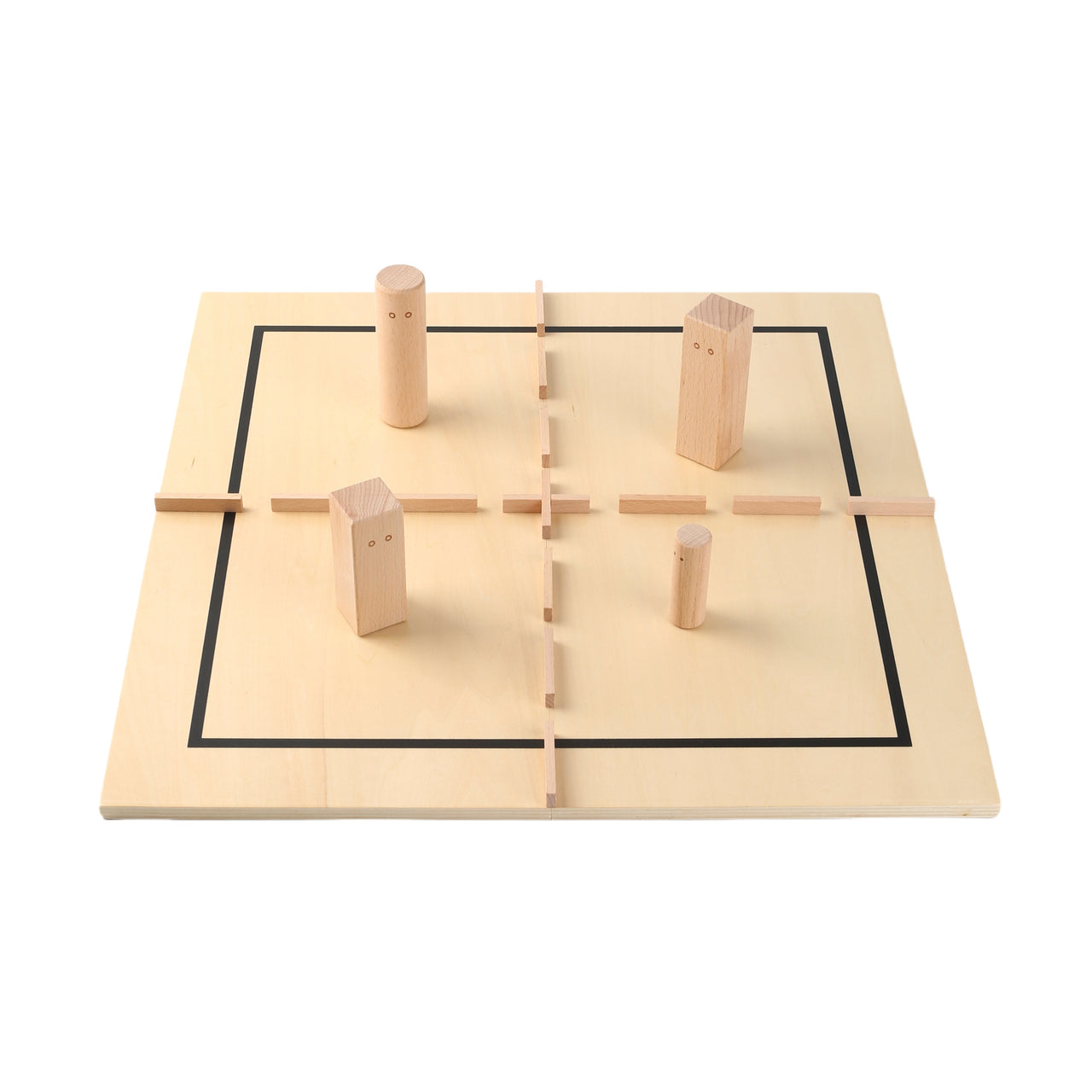
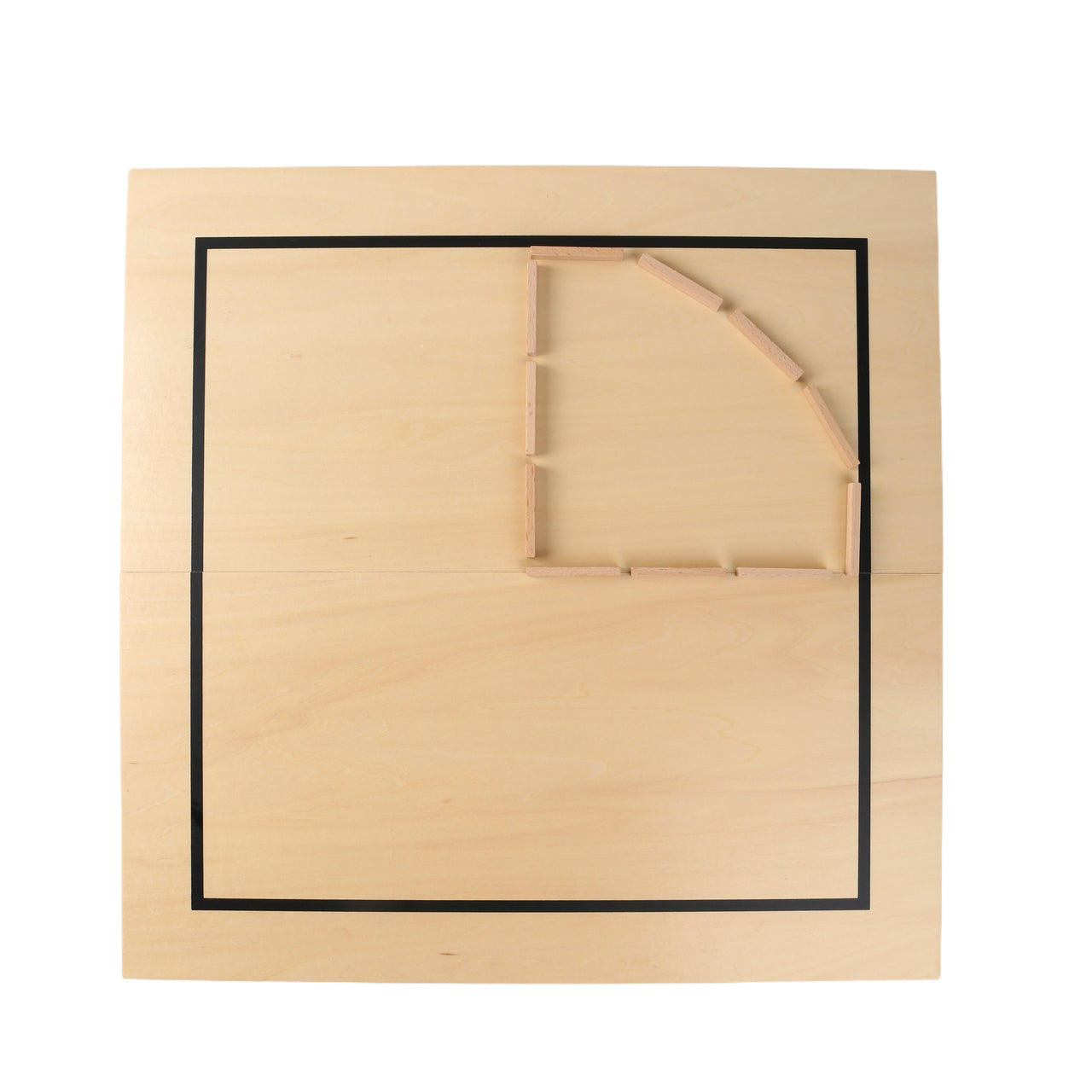
The system board consists of two wavy parts, which allow a spatial division of the placed figures. The laser-engraved border line can also be used as a spatial separation in the system. If no border line is needed, the board can simply be flipped - the back side has no laser-engraved line.
Various wooden figures
The different figures and elements were specially designed and made from solid wood. They can be used as desired and can represent various figures such as children, women, men, pets, objects, themes, tasks, problems, or projects. Six types of figures (a total of 28 pieces) have eyes - so a gaze direction or looking away can be depicted.
Different colors for even more possibilities
The different colors are perfect for representing various personality types (phlegmatic, melancholic, choleric, and sanguine - here in white) or also genders or moods. The colorful figures also have eyes, which allow for the depiction of a gaze direction.
The complete package
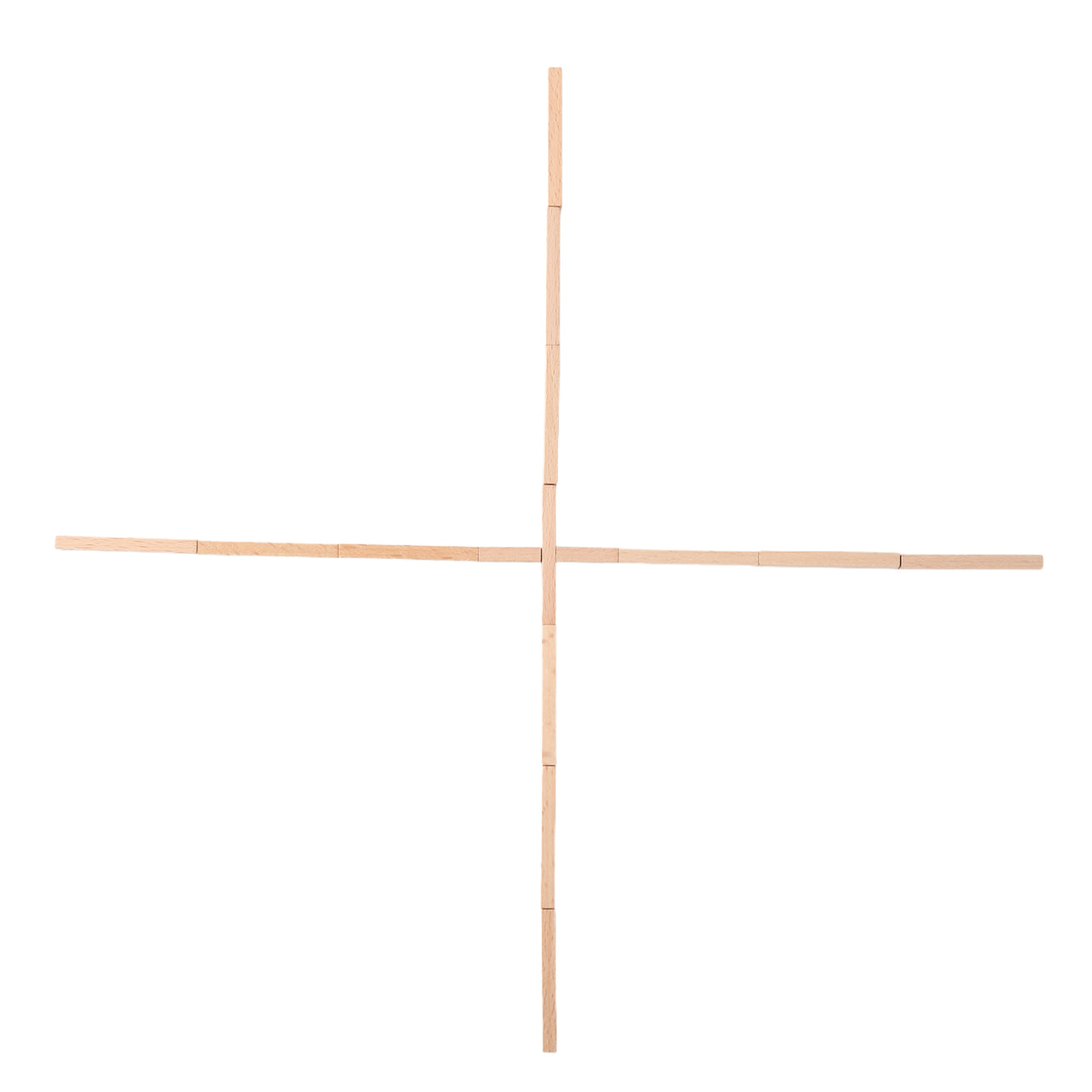
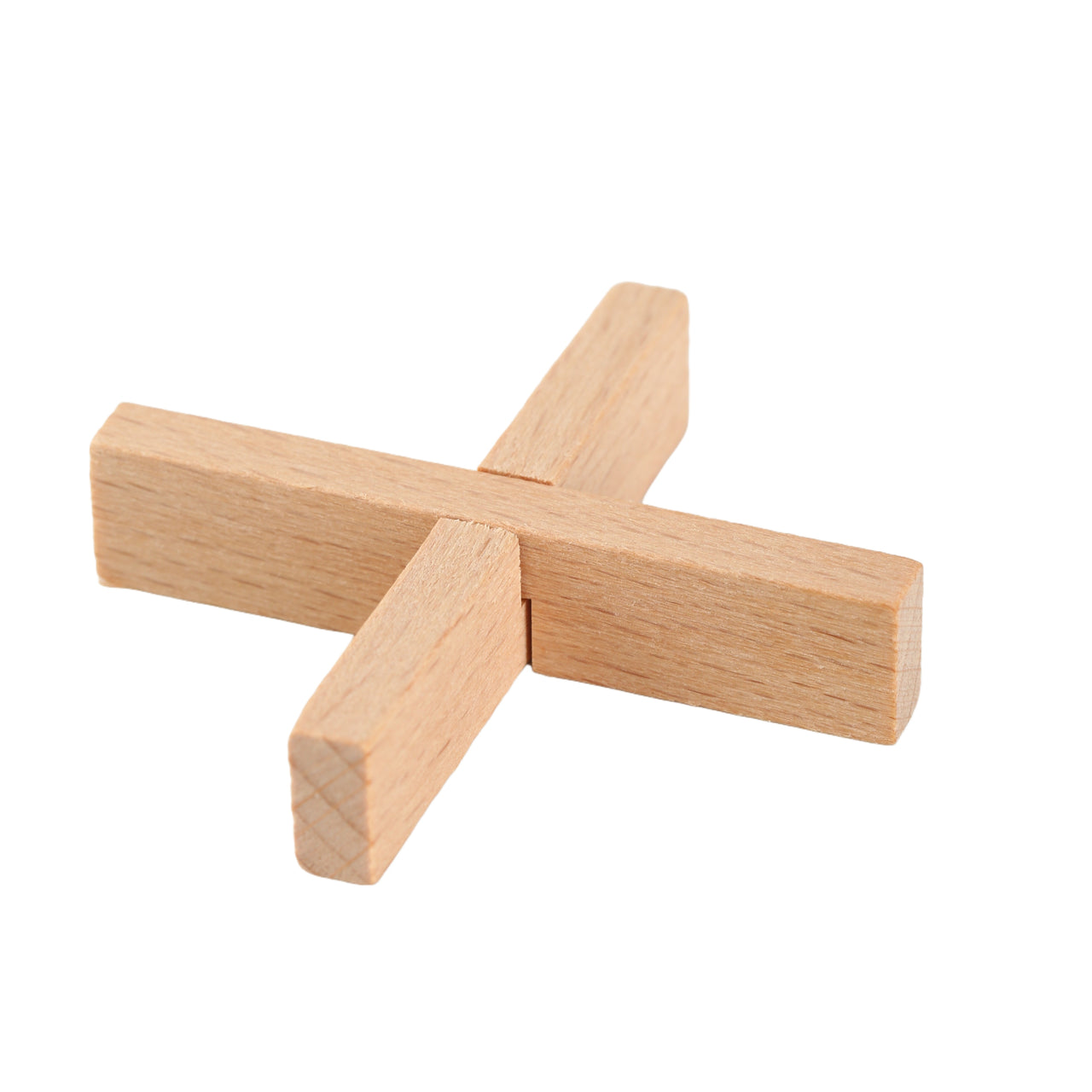
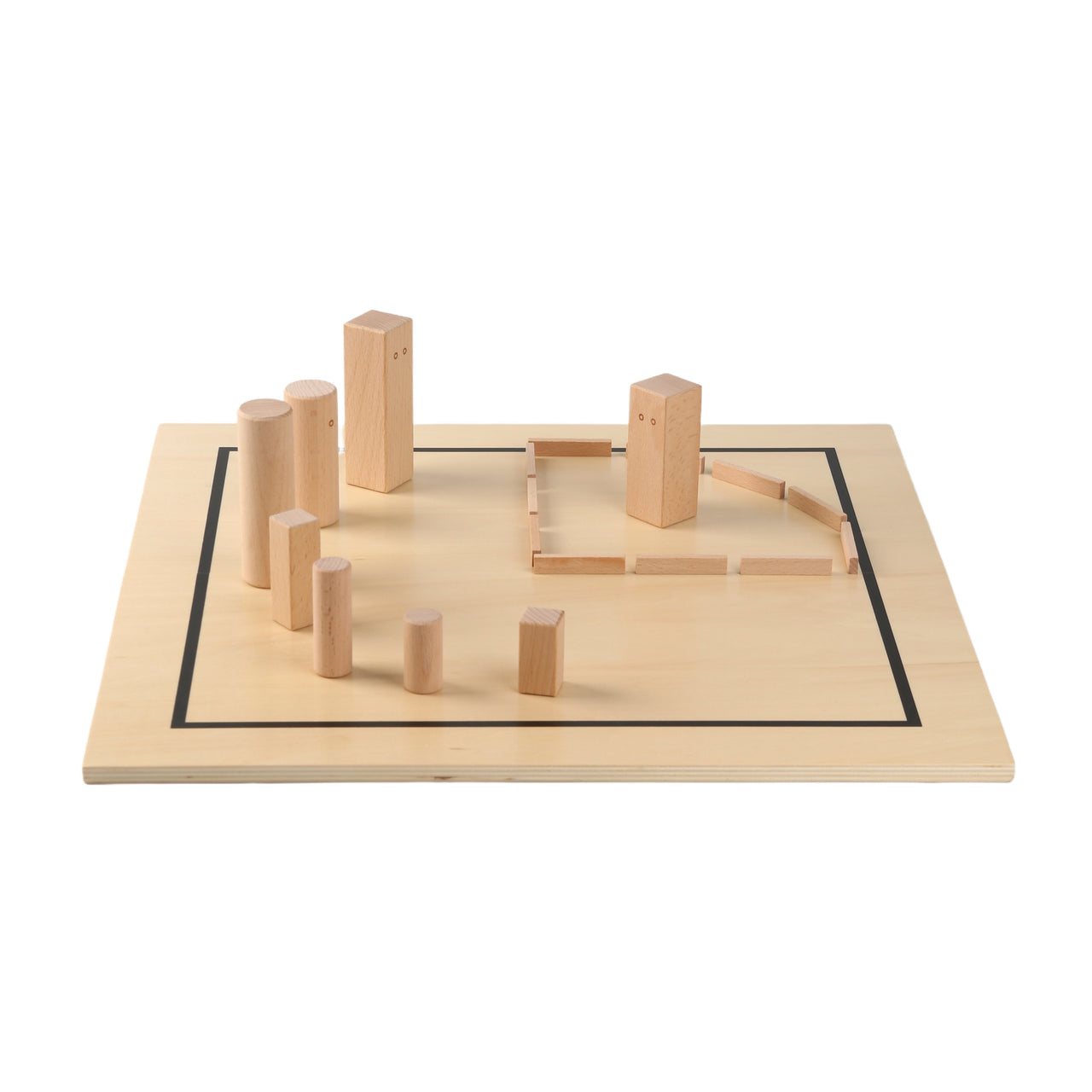
Our system board has been completely redesigned from the ground up and is improved from batch to batch. Each individual feature offers possibilities and can be used in various practical ways. For example, the cords can be used as zones, dividing lines, or connections.
Record the setup
To better document progress with a client, this documentation block is recommended for the system board. It provides the necessary structure to work professionally. Two system boards are shown on the template: the current state and the target state.


System Cloth
€14,95 EUR
About the system cloth
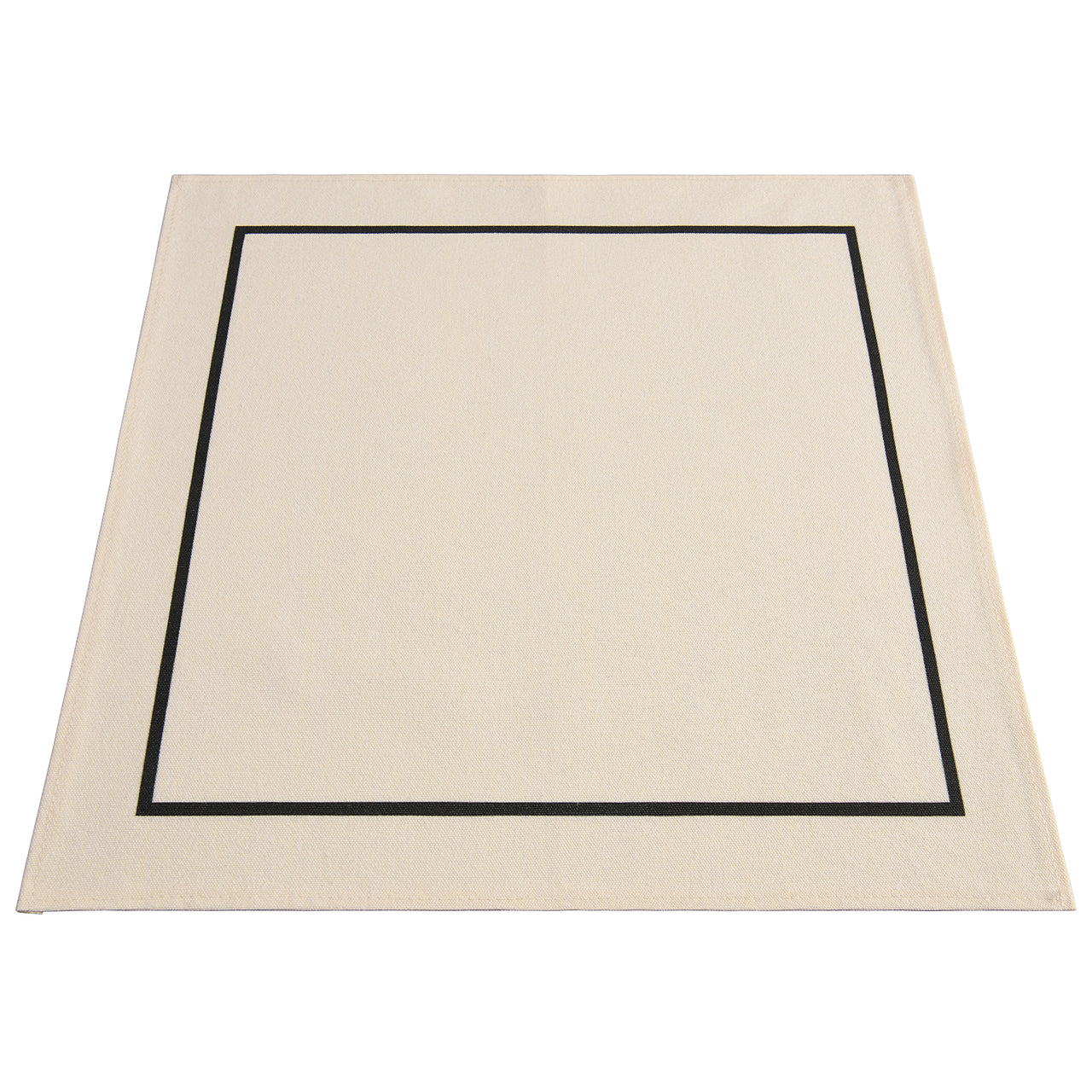
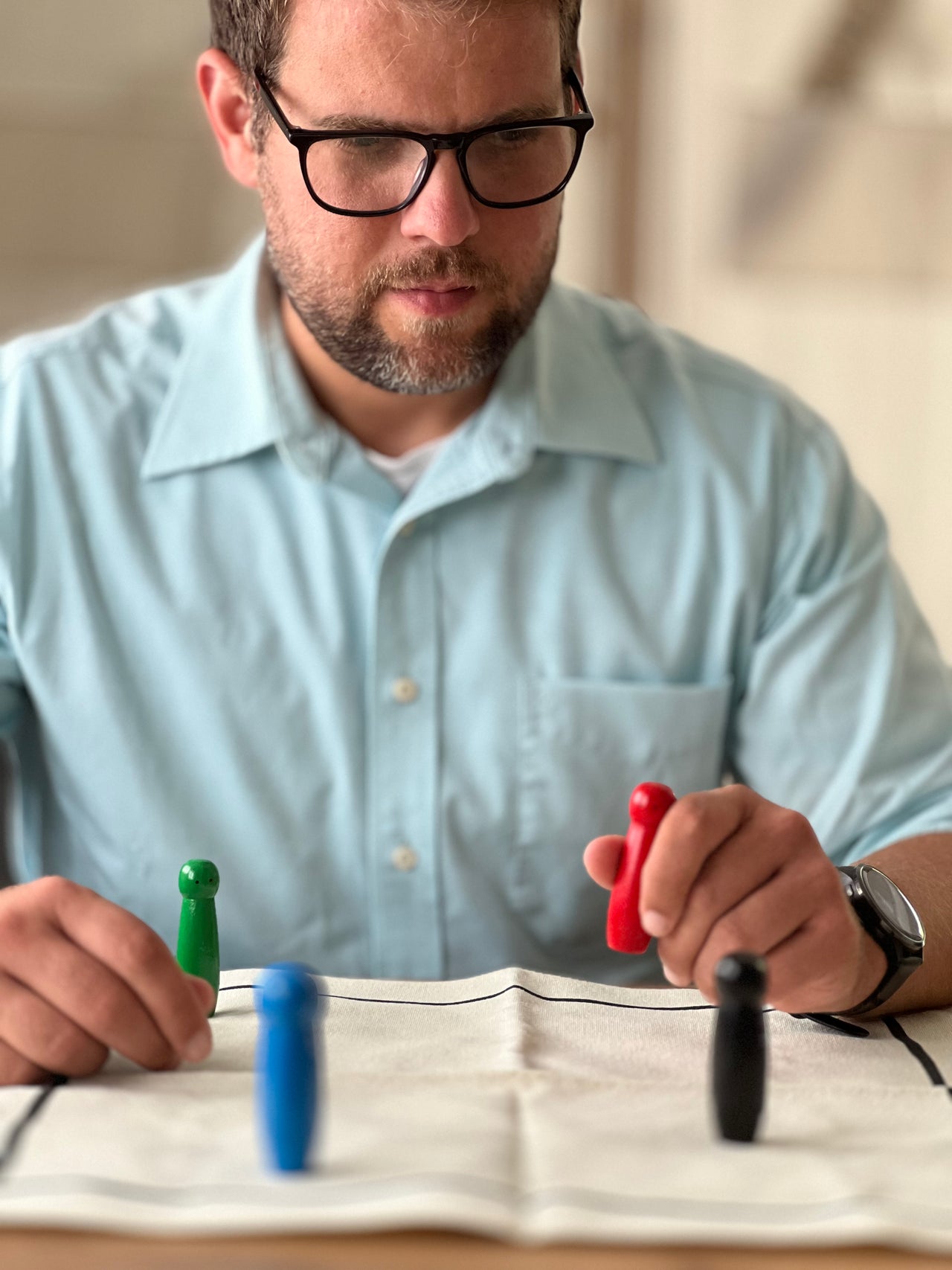
The ideal addition for flexible use
Expand your systemic toolbox with the system cloth! If you travel a lot but still don’t want to do without the system board, use your system board figures with the system cloth. This saves space and weight during your creative sessions! With the system cloth, you can conduct your systemic constellations anywhere—whether in the office, at home, or even outdoors. No matter where you are, the system cloth makes your work more efficient and flexible so you can fully focus on your systemic practice.
Light, compact, and versatile
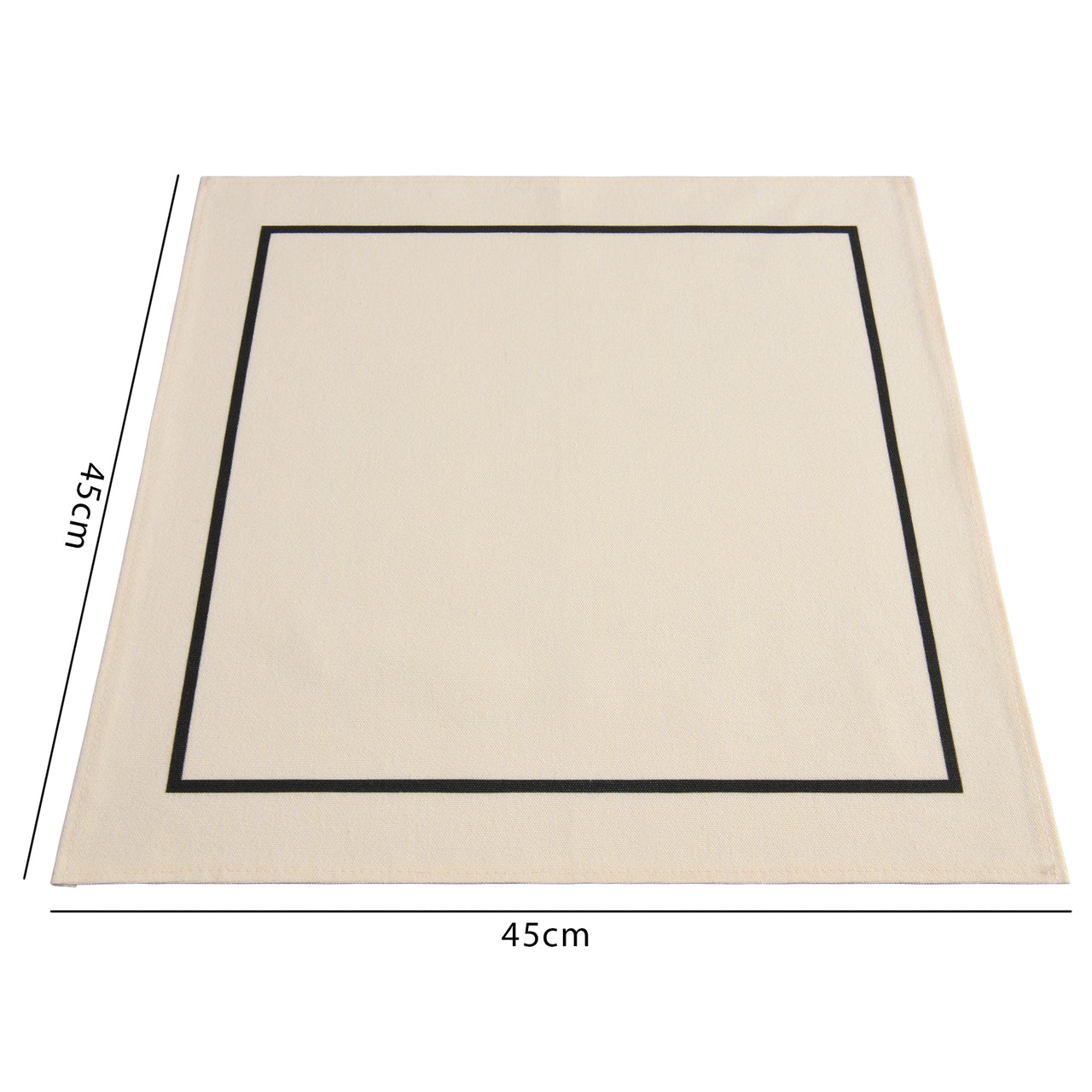
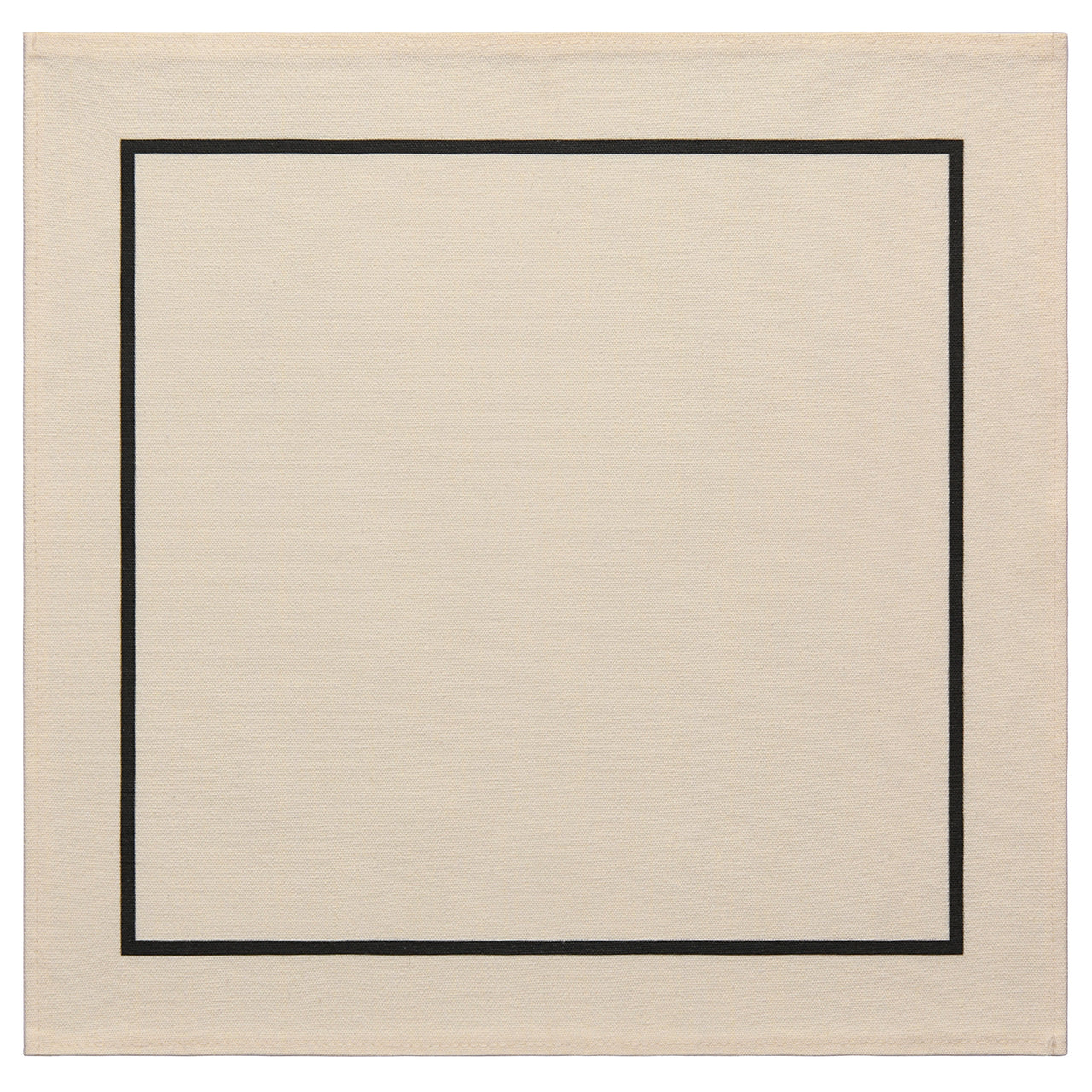
With the system cloth, you can visualize any imaginable situation anywhere. Thanks to its compact size and light weight, it easily fits into any bag and is perfect for mobile use. The cloth's border line allows for a clear spatial separation within the system. However, if you don't need a border line, you can simply flip the cloth over, as the back side has no line. This gives you maximum flexibility in your systemic constellations.
Thoughtful and durable
In developing this product, we spared no effort. The fabric is characterized by top-quality and durability. It consists of 50% cotton and 50% polyester, ensuring an optimal combination of durability and comfort.
Your data is secure and encrypted!
Free delivery from €75*
Purchase on account available

Your data is secure and encrypted!
Free delivery from €75*
Purchase on account available