A Kanban board is an indispensable tool in modern project management. Originally developed by Toyota to optimize production processes, it is now used in numerous industries. The board helps to visually represent workflows and increase efficiency. It consists of several columns representing different project phases and cards on which individual tasks are noted.
Advantages of a Kanban Board
Visualization
A Kanban board provides a clear visual representation of all tasks and their status. This makes it easier for the team to keep track and set priorities.
Transparency
Everyone on the team can see the current progress, which improves communication and coordination. This reduces the need for frequent status meetings.
Flexibility
The board can be easily adapted to meet the specific needs of the project or team. It is suitable for both agile and traditional project management approaches.
Continuous Improvement
Through regular review and adjustment of the board, processes can be continuously improved and made more efficient.
Structure of a Kanban Board
Creating Columns
The basic structure of a Kanban board consists of columns representing the different phases of a project, such as "To Do," "In Progress," and "Done."
Adding Cards
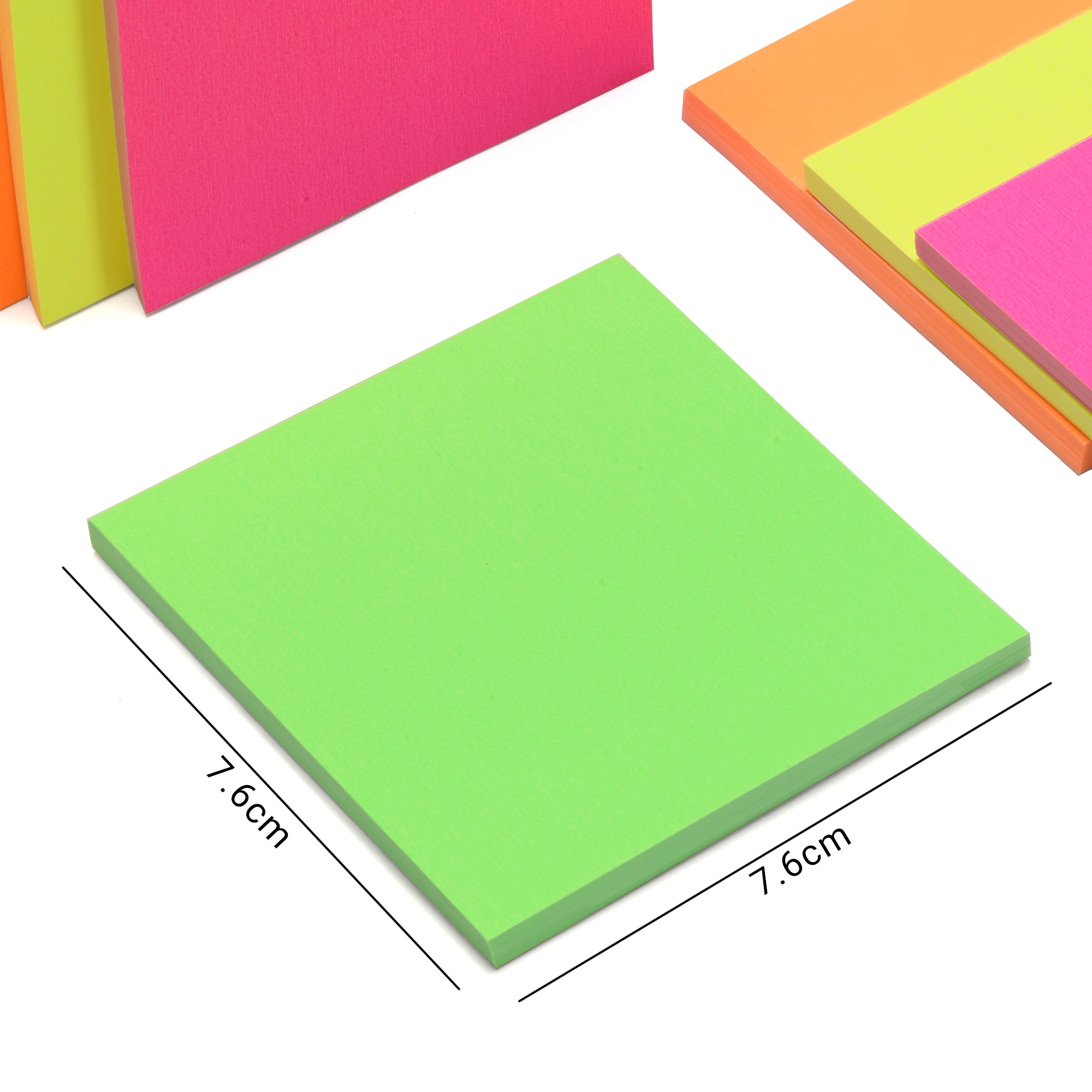
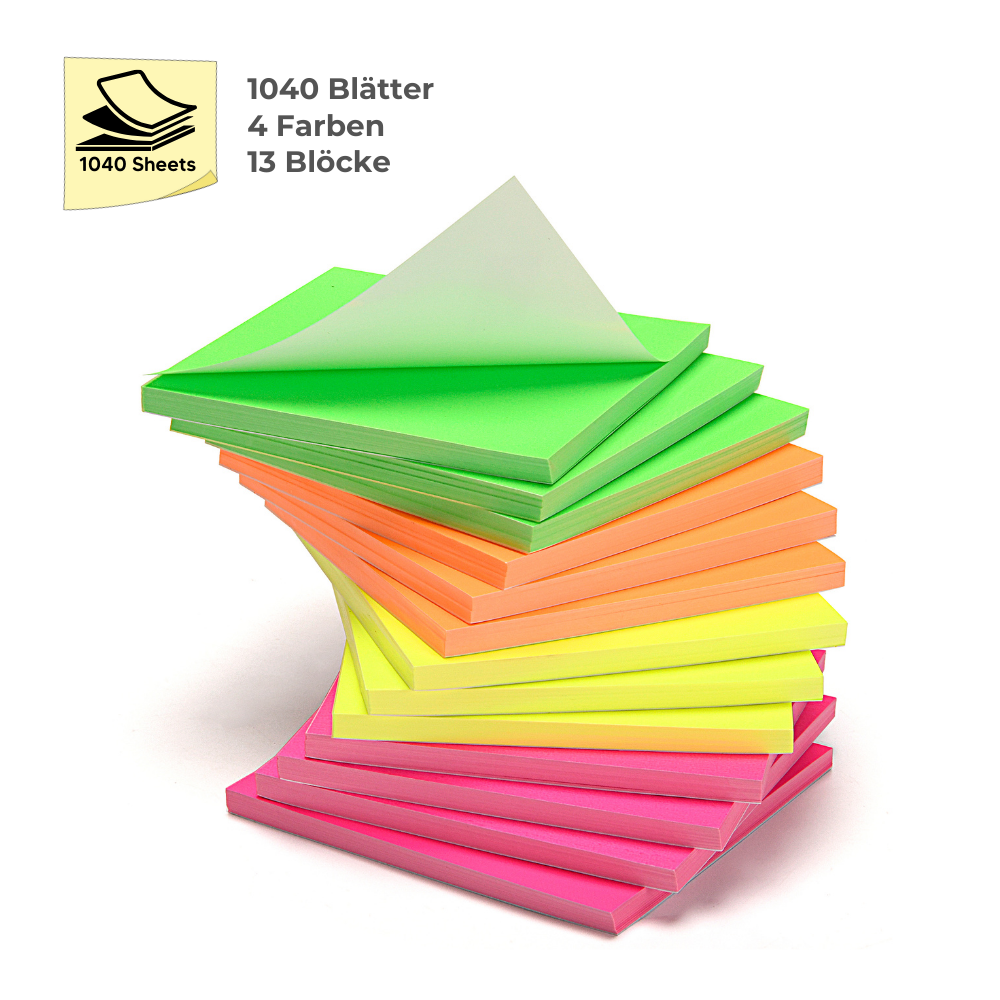
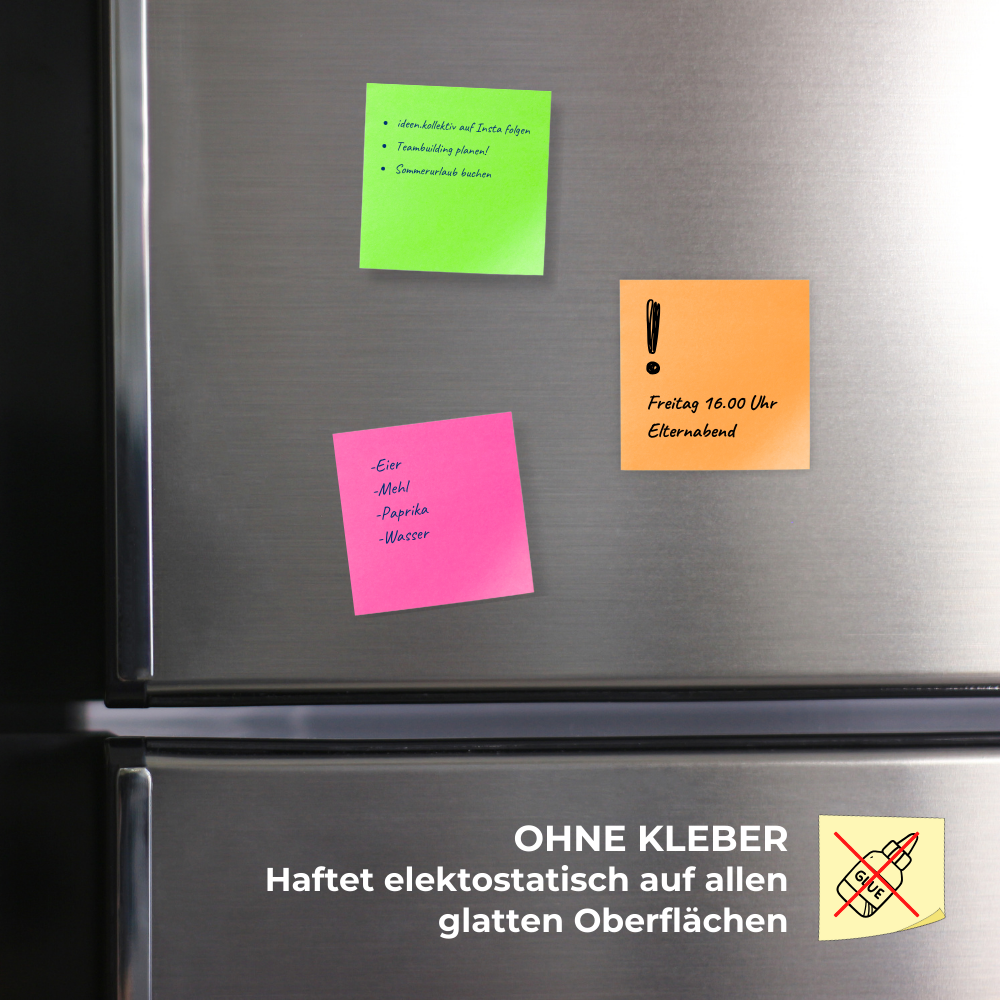
Each card represents a task. These cards can be moved to show the progress of the task. Here, physical, electrostatically adhesive note cells like the IonNotes from ideen.kollektiv can be particularly useful.
Setting Work-in-Progress (WIP) Limits
To avoid overload, WIP limits should be set to limit the maximum number of tasks in a phase.
Introducing the Kanban Board in Four Steps
Choosing the Right Board
The choice between a physical board or a digital solution depends on the team's needs. Physical boards are ideal for teams working in one location, while digital boards are advantageous for distributed teams. Many remote companies therefore use only online Kanban boards, as does the team at ideen.kollektiv.
Initial Setup
The board is set up by creating the necessary columns and noting initial tasks on cards. The principles of the Kanban method, such as visualization and limiting tasks per phase, are applied.
Training the Team
It is important that the team understands how to use the Kanban board and the underlying principles. All members should know how to use and update the board.
Continuous Adjustment
Regular review and optimization of the Kanban board are essential. Feedback from the team is collected and the board is adjusted to continuously improve efficiency.
Practical Tips for Successful Use
Regular Updates
The board should be updated regularly to accurately reflect the current status of tasks.
Team Meetings
The board can be used as a central point for team meetings to discuss progress and identify blockages.
Gathering Feedback
It is advisable to regularly ask the team for feedback and use it to optimize the board and work processes.
A well-implemented Kanban board can significantly increase productivity and work quality. It provides a clear structure that helps manage projects efficiently and improve team collaboration. With tools like the IonNotes from ideen.kollektiv, the application becomes even easier and more flexible.